

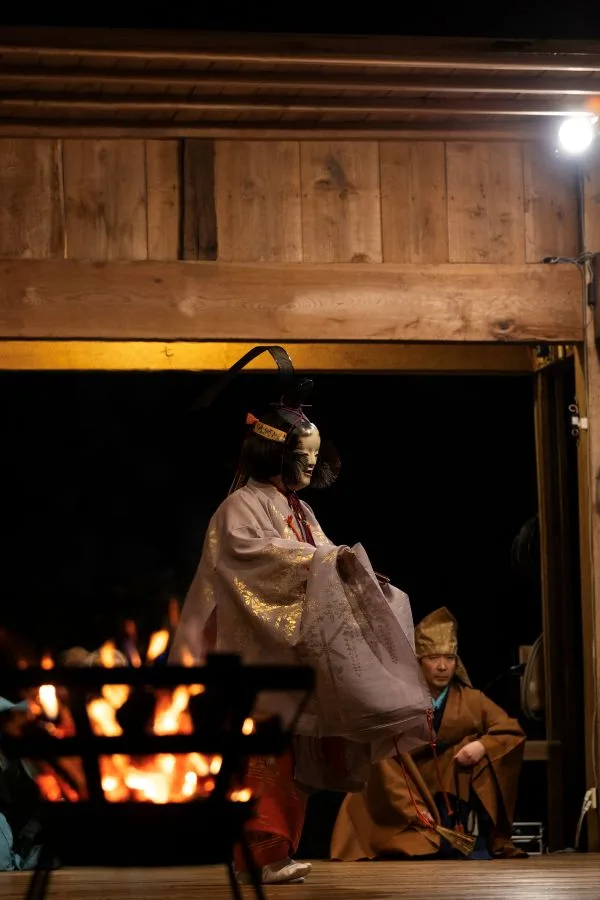
Sado Island, the largest island in the Sea of Japan, has been inhabited for over 10,000 years. Designated as a Japanese Geopark for its stunning landscapes, Sado is a unique place where nature, history, and culture meet. Over the centuries, exiled nobles, officials, and skilled workers came to the island, drawn by its mining potential and strategic location. As a key stop for the Kitamaebune trading ships, Sado became a hub of cultural exchange—earning it the nickname “a microcosm of Japan.”
Sado Island has long been a site for the mining of gold, silver, and copper, and by the early 17th century, it is said to have accounted for as much as 10% of the world’s gold production. Its innovative techniques and historical importance led to the “Sado Island Gold Mines” being inscribed on the UNESCO World Heritage list in July 2024.
Like Sado, Niigata Prefecture offers breathtaking nature and rich traditions. Together, they invite you on a refined journey—one where you can meet the locals, explore deep cultural roots, and experience the enduring beauty of Japan’s living heritage.
World Heritage Site: "Sado Island Gold Mines"
Sado Island has long been known for its rich deposits of gold, silver, and copper. In the early 17th century, it was home to one of the largest gold mines in the world. In July 2024, the “Sado Island Gold Mines” was officially inscribed as a UNESCO World Heritage Site.
The site preserves the history of large-scale production systems that were developed through constant innovation and improvement. Rather than relying on machinery, traditional manual techniques were used to produce large quantities of high-quality gold. These mines and related historical remains continue to convey the ingenuity and craftsmanship of the era, earning recognition on the global stage.
Aikawa-Tsurushi Gold and Silver Mine
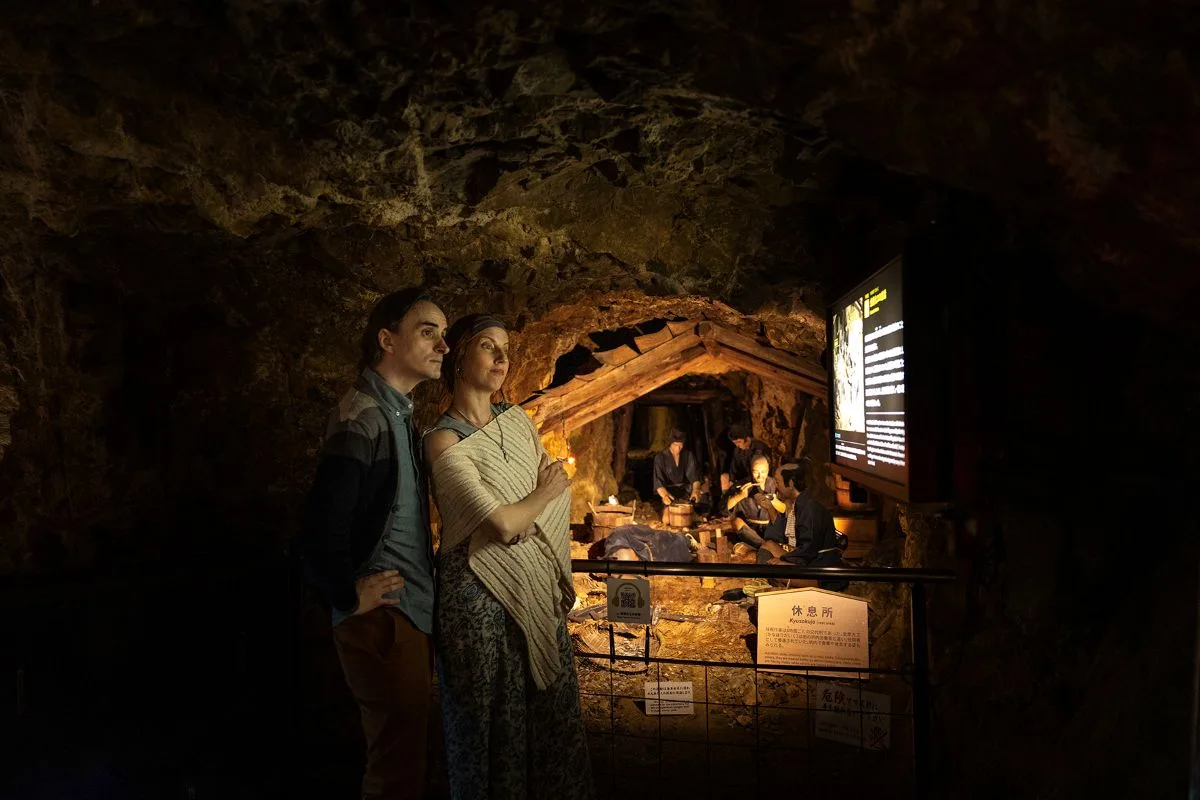
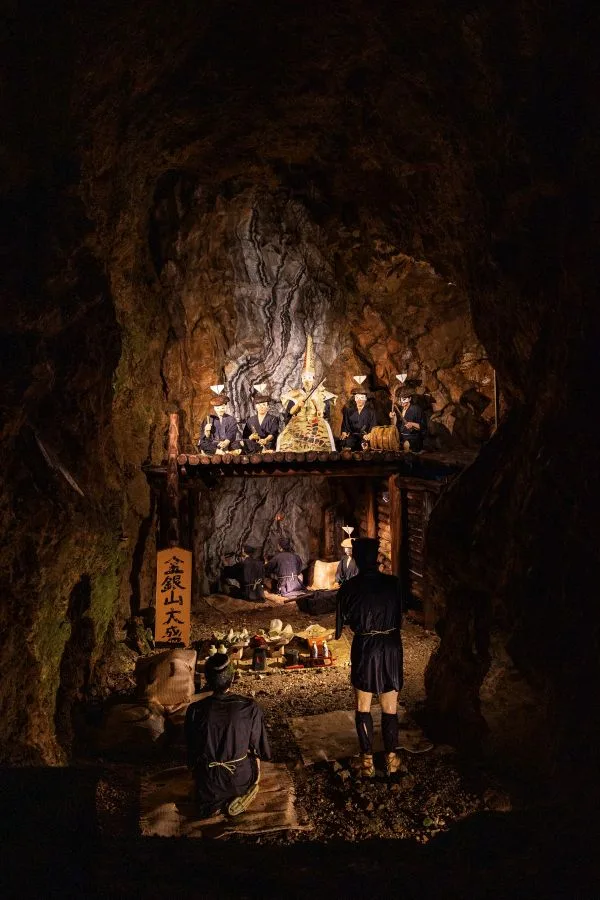
From the mid-16th century to the end of the 20th century (1989), Sado was home to Japan’s largest gold and silver mine. The Aikawa Gold and Silver Mine alone had a vast network of tunnels stretching over 400 kilometers. Today, visitors can explore part of this at the “Historic Site Sado Gold Mine,” where hand-dug tunnels and recreated mining scenes bring the past to life. The Aikawa area remains one of the world’s rare examples of a preserved mining town, with historical remains that show the evolution of mining technology alongside former settlements and mining facilities.
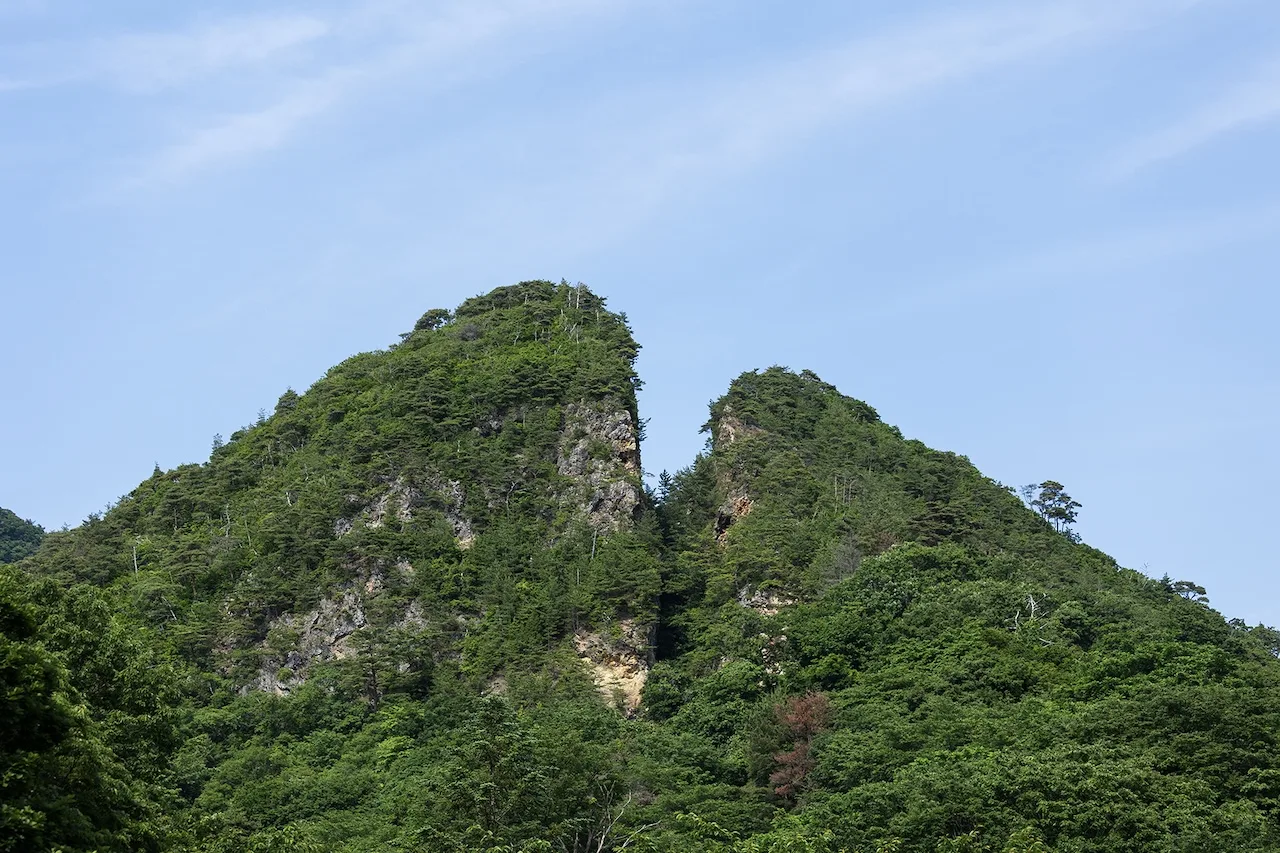
One of the most iconic sights is Doyu-no-warito Opencut Site, a dramatic V-shaped cut in the mountain left by surface mining. It stands as a powerful symbol of the “Sado Island Gold Mines”.
■Doyu-no-warito Opencut Site
Historic Site Sado Gold Mine (Doyu-no-warito Opencut Site)
1305 Shimoaikawa, Sado City, Niigata
SEE MORE https://discover-niigata.com/things-to-do/9012/
Nishimikawa Placer Gold Mine
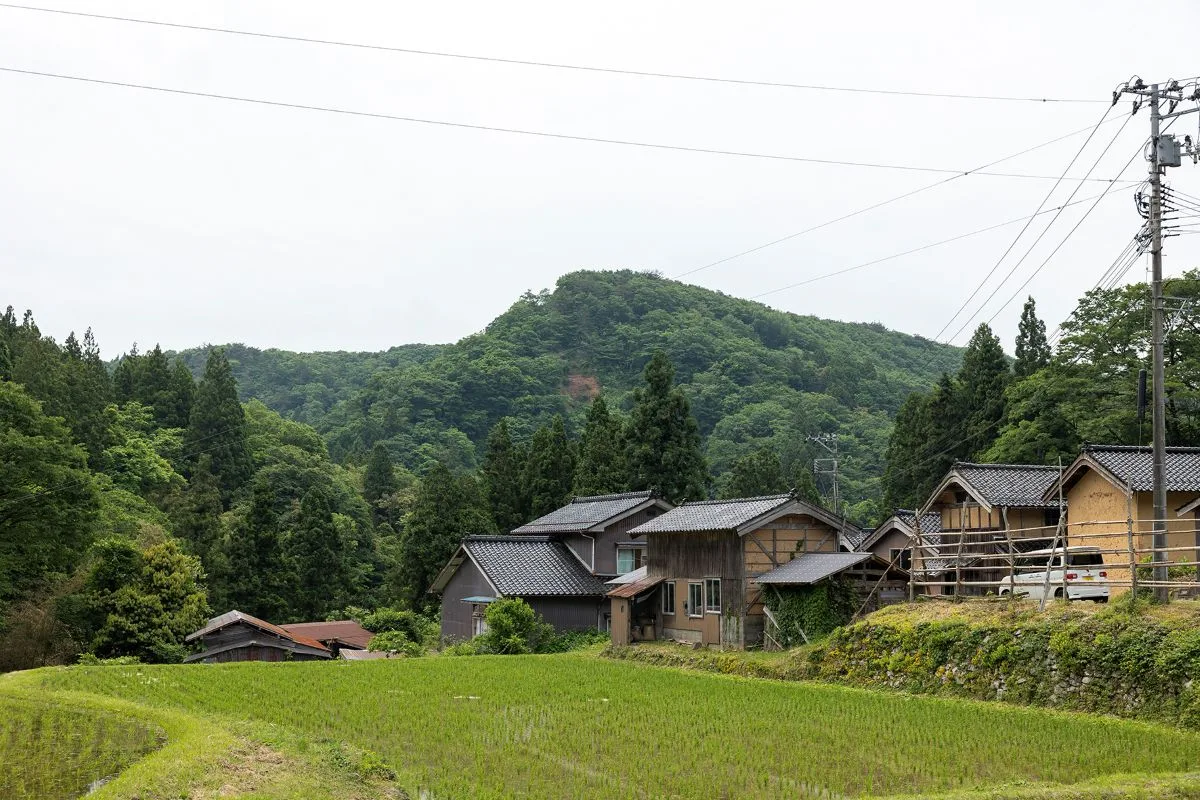
As the oldest placer gold mine on Sado Island, many remains showcasing Edo-period placer gold mining techniques still exist today. One key method was called Onagashi—a process where gold-rich mountainsides were scraped, and large amounts of water were used to wash away unwanted soil. The remaining sand-like gold was then carefully separated using a wooden sluice board.
Sado Magistrate's Office and Kyomachi Street
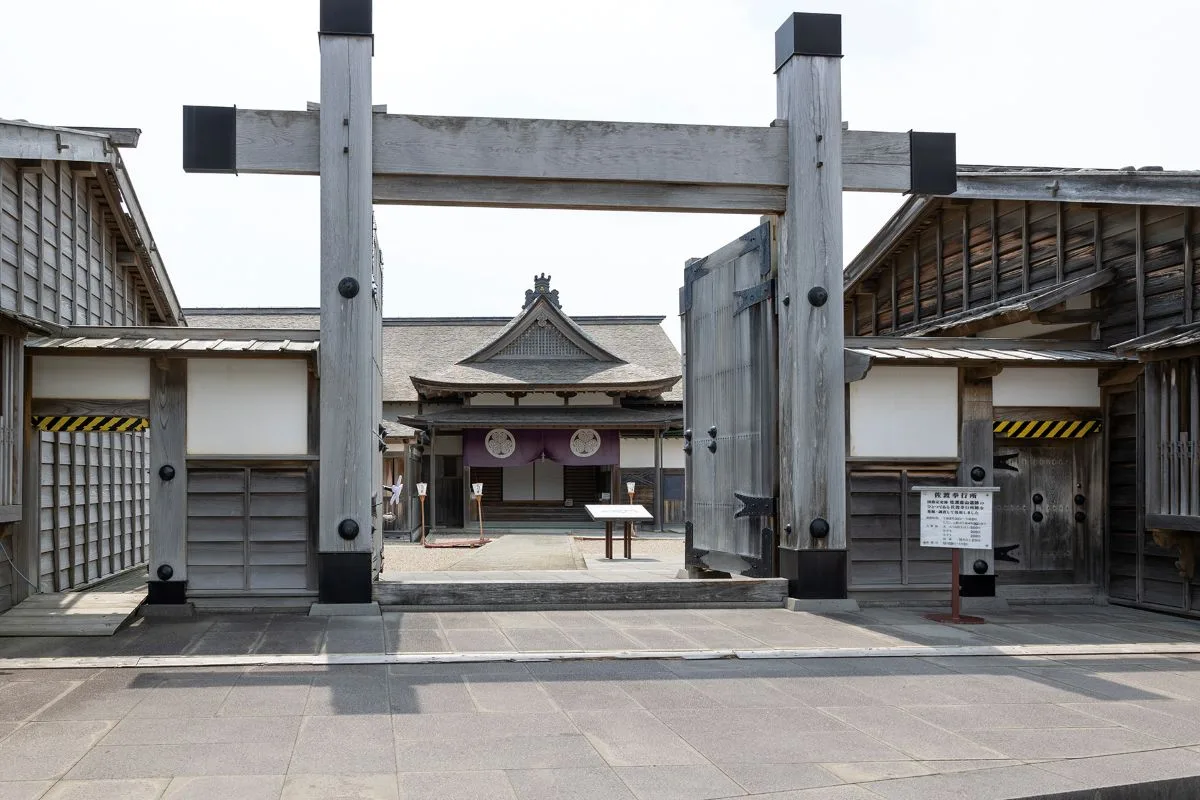
The Sado Magistrate’s Office also housed gold and silver production facilities and served as the political center responsible for managing gold and siver mines on Sado. Kyomachi Street was the main road connecting the Aikawa Gold and Silver Mine to the magistrate’s office. Lined with officials’ residences, wholesalers, and shops, it once bustled with people and trade. On this charming street, the ‘Yoi no Mai’ traditional dance parade is held in June, and the ‘Aikawa Festival’ takes place in October.
■Sado Magistrate’s Office
1-1 Aikawa Hiromamachi, Sado City, Niigata
SEE MORE https://discover-niigata.com/things-to-do/8942/
Kitazawa Flotation Plant
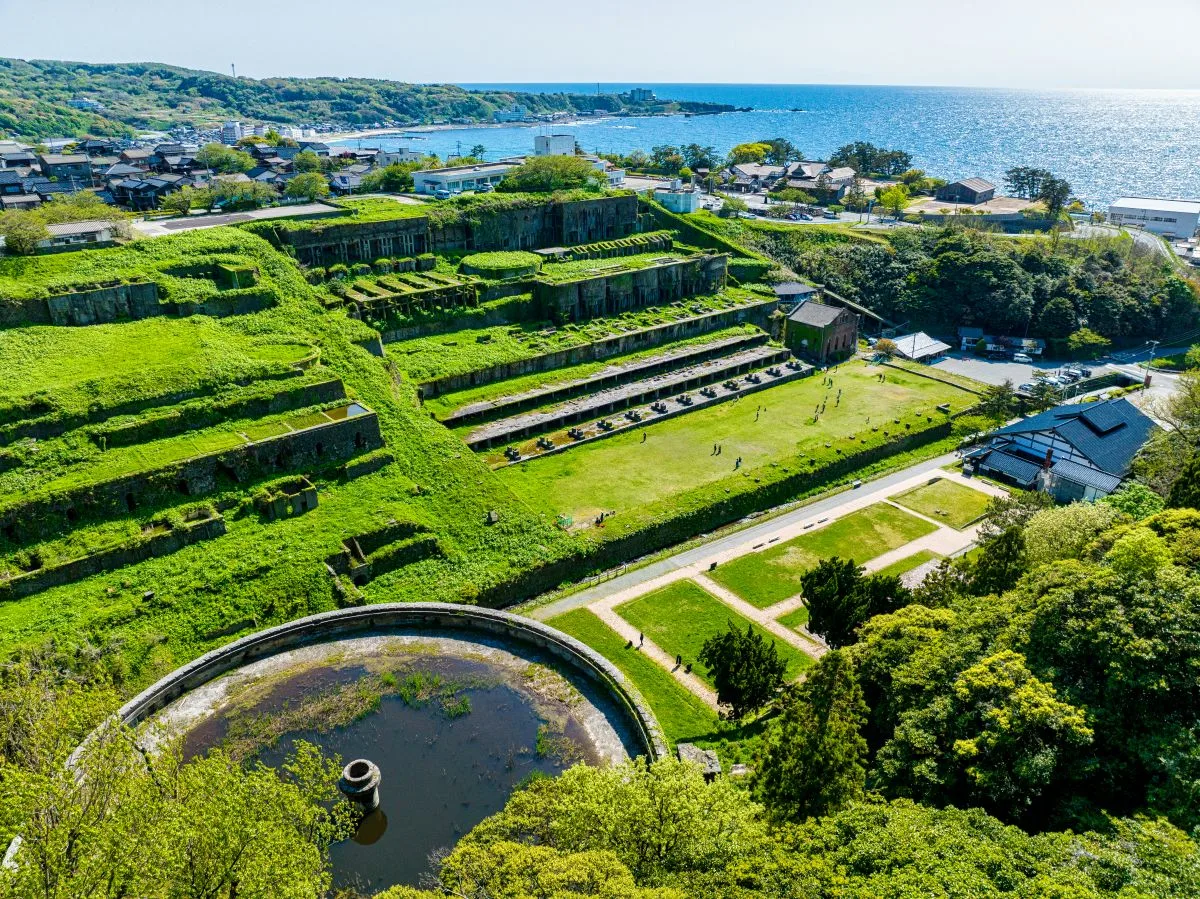
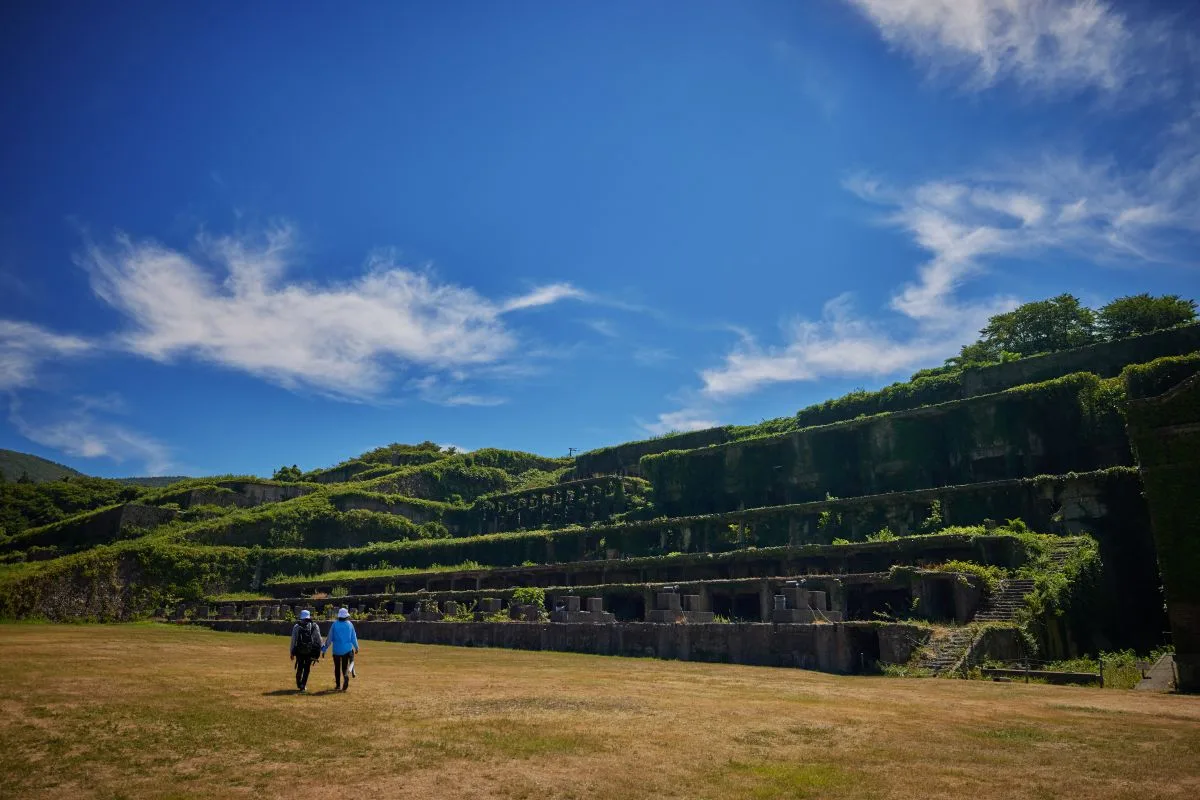
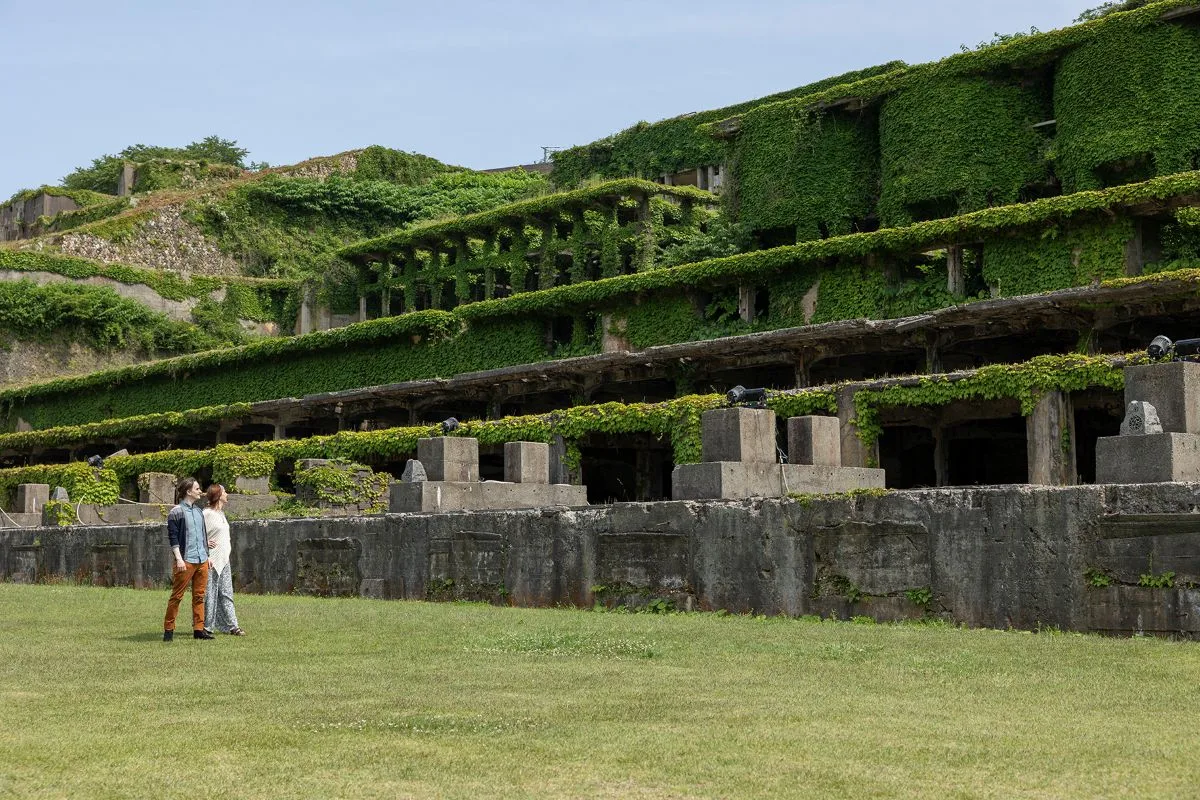
Flotation Ore Processing is a method used to extract gold and silver from mined ore. Originally developed for copper processing, it was first adapted for gold and silver recovery at the Sado Mine—making it a world pioneer in this technique. Once known as the “largest flotation plant in the East,” the site is illuminated at night from spring through autumn. The glowing ruins set against a starry sky create a magical and unforgettable scene.
■Kitazawa Flotation Plant
3-1 Aikawa Kitazawamachi, Sado City, Niigata
SEE MORE https://discover-niigata.com/things-to-do/42550/
Kirarium Sado
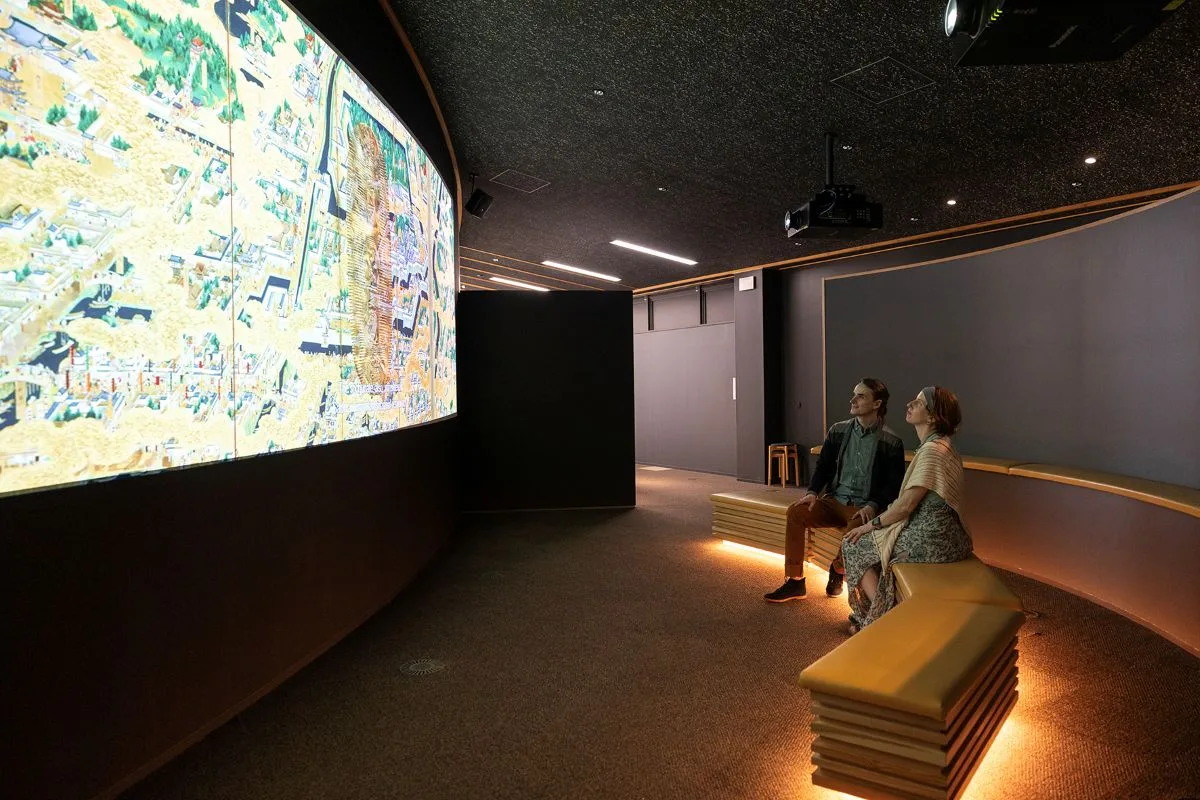
Kirariumu Sado is a guidance facility introducing the World Heritage Site, Sado Island Gold Mines. Through large-scale video displays, it offers an easy-to-understand overview of the island’s mining history and heritage. It’s a great place to stop by before exploring the actual sites.
■ Kirarium Sado
1-1 Kagamigaoka, Chuo Ward, Niigata City, Niigata