

Area Guide
Seven Areas Telling Stories of History, Culture, and Cuisine
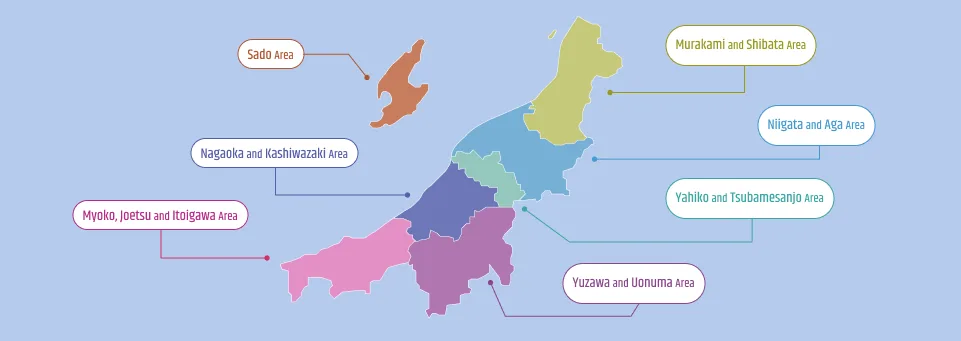
Niigata Prefecture’s vast expanse covers diverse areas with unique histories and cultures. From the Sado Island Gold Mines World Heritage site to traditional crafts, spectacular seasonal scenery, and delectable cuisine encapsulating distinctive local environments, embark on a captivating journey through unique stories across seven areas. Niigata’s diverse wonders await.
Murakami and Shibata Area
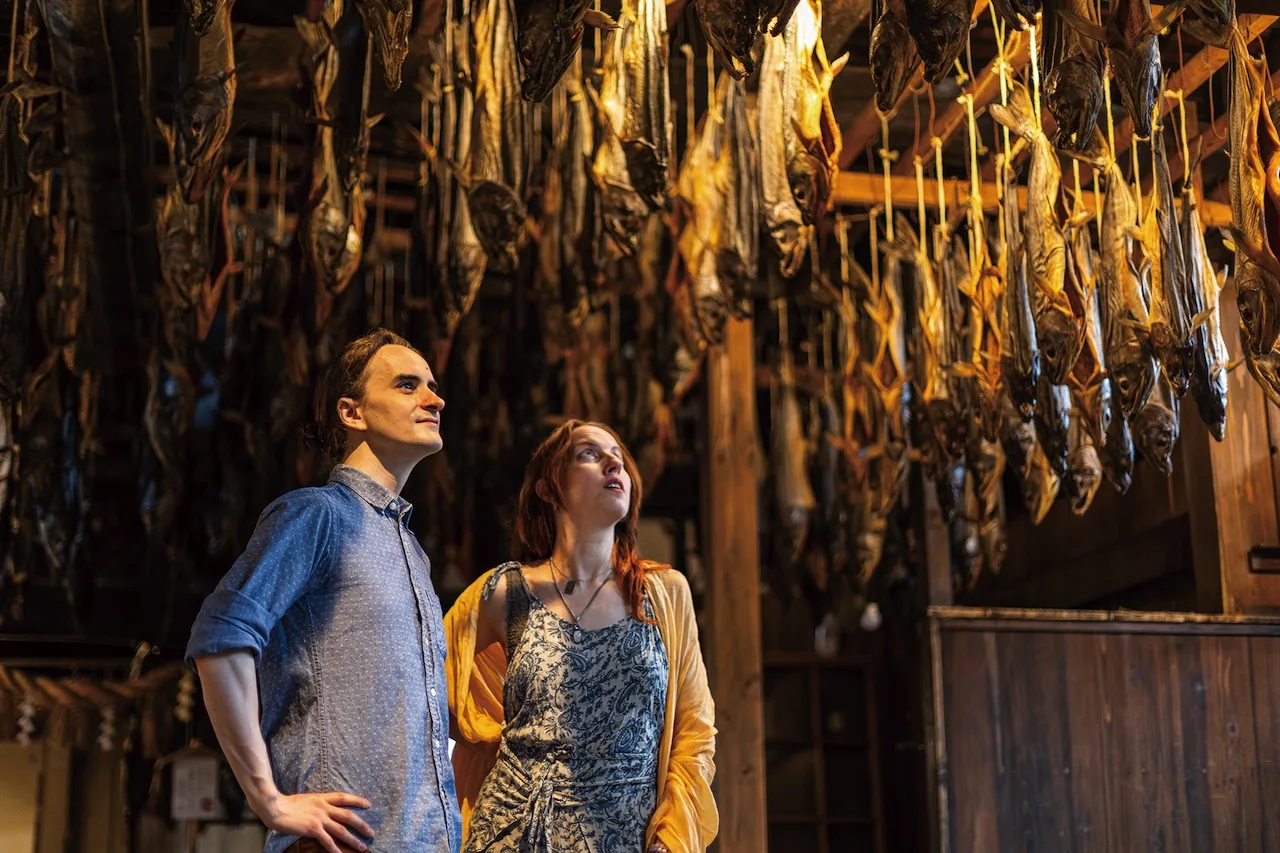
Murakami and Shibata Area: Historic Castle Towns and a Tradition of Salmon Cuisine
Niigata’s northernmost area boasts abundant nature and castle towns with rich histories.
Murakami is renowned as a “salmon town.” In winter, the fish hung from the eaves of the houses make for a unique sight. The town is said to be home to over 100 salmon recipes, and trying at least some of them is a must.
Shibata retains historic streetscapes defined by its castle town heritage, with former samurai residences all around. Walking down streets lined with historical buildings feels like traveling back hundreds of years to the Edo period.
As you stroll through picturesque Japanese gardens, take a peaceful moment to contemplate the lives of the samurai who were in this place before you.
Niigata and Aga Area
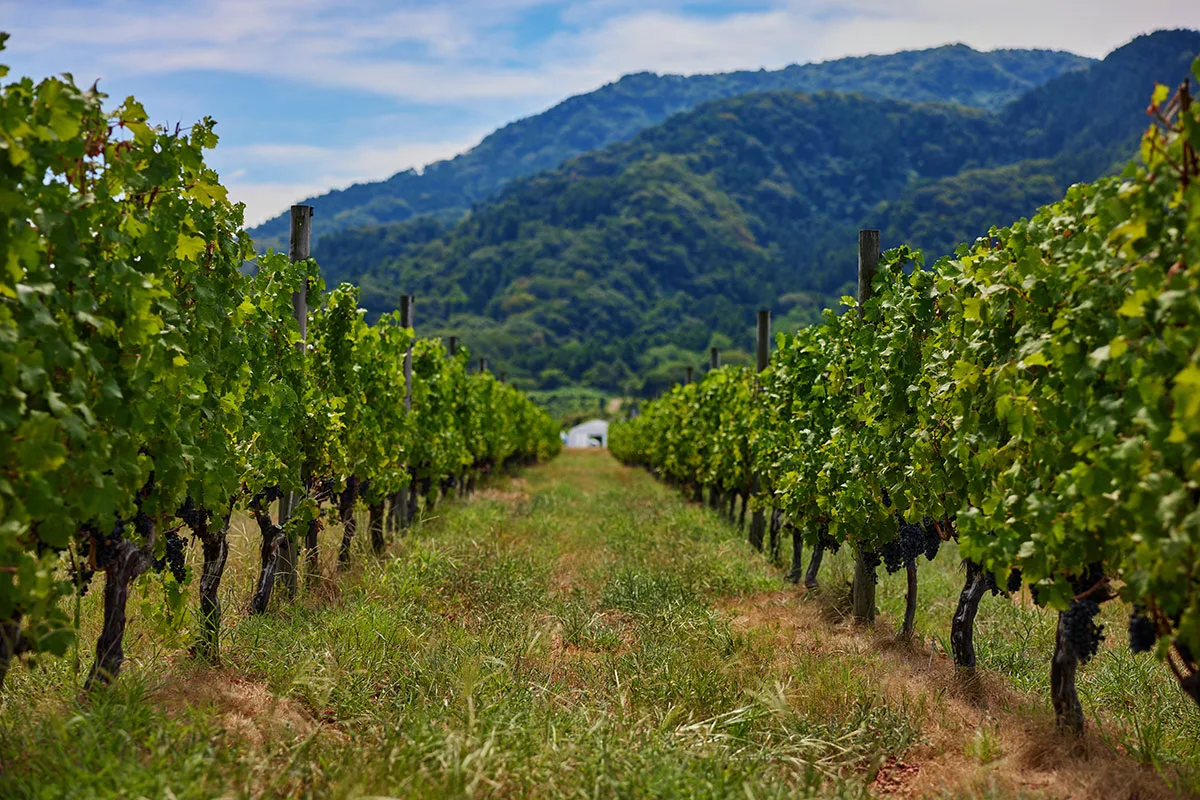
Niigata and Aga Area: A Port Town’s Vibrant Culinary Culture Meets Exquisite Wine
This area with the prefectural capital, Niigata City, at its heart retains the vitality of a town with a prosperous history as the largest port of call on the Sea of Japan coast.
In the Furumachi area, the culture of refined ryotei restaurants featuring entertainment by geisha, known locally as geigi, lives on. This offers an unforgettable way to experience traditional Japanese cuisine and captivating performances.
In a newer development, the city and its surrounds have also become a thriving wine hub, particularly the Niigata Wine Coast and its range of wineries with distinctive characteristics. Whether gazing out across the expansive vineyards, enjoying a tasting guided by a wine maker, or touring the wine making facilities amidst mellow aromas, there are endless ways to make the most of this exciting viniculture region.
With the Agano and Shinano rivers nurturing a cornucopia of delicious ingredients, Niigata brings traditional Japanese cuisine together with wine culture, creating culinary delights that have to be experienced firsthand.
Yahiko and Tsubamesanjo Area
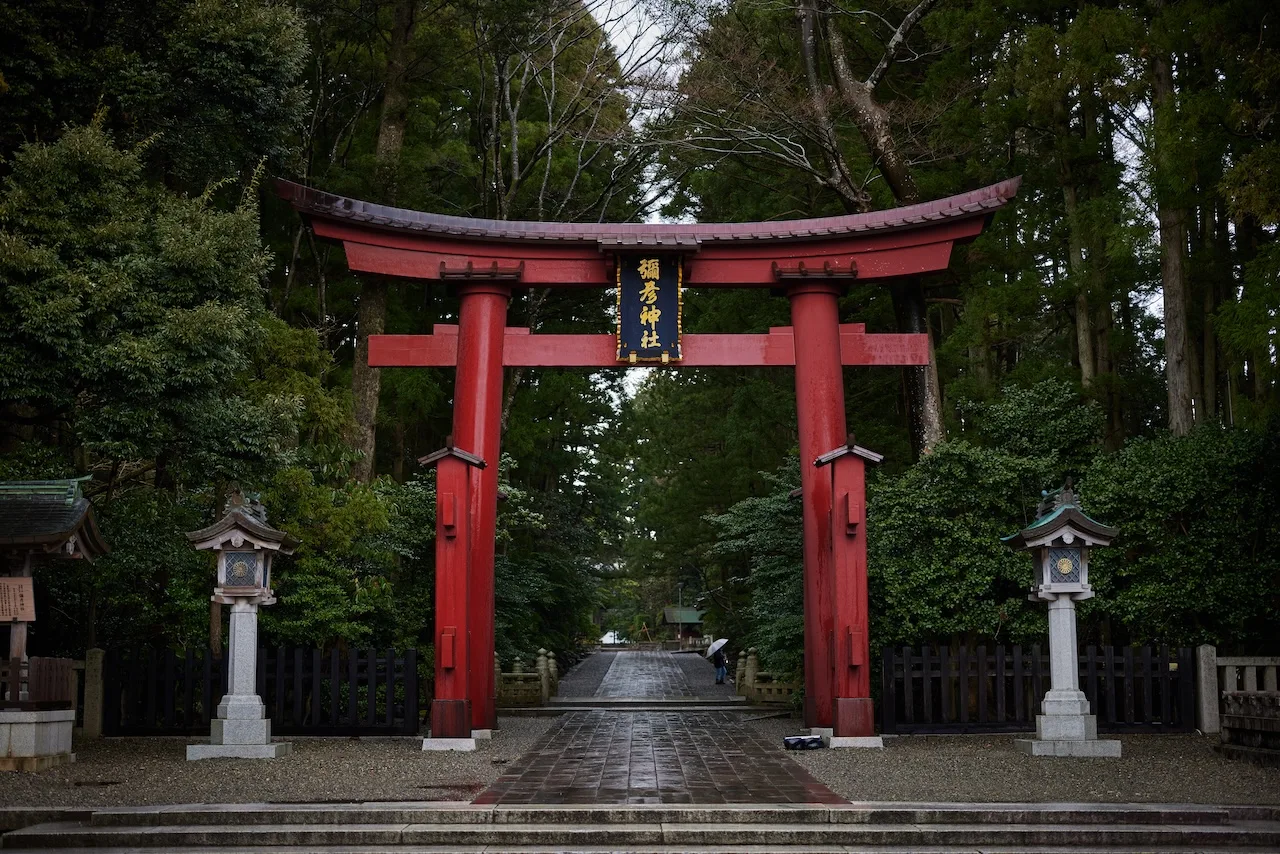
Yahiko and Tsubame-Sanjo Area: A Story of Master Artisanship and the Earth’s Blessings
The Yahiko and Tsubame-Sanjo area is both a world-renowned hub of craftsmanship and blessed with fertile soil supporting abundant agriculture.
Mount Yahiko is one of the area’s most iconic sights. Within the mountain’s surrounds lies Yahiko Shrine, where a deity said to have given rise to Niigata’s industries is enshrined and which attracts large numbers of worshipers.
As part of a history marked by overcoming the Shinano River’s repeated floods, Tsubame-Sanjo has nurtured a long tradition of metalworking and blacksmithing. These skills have been passed on to this day, and local artisans continue to produce some of Japan’s finest kitchen knives, cutlery, and more. Many workshops open their doors for tours and hands-on activities, letting you experience this master craftsmanship firsthand.
This area is also known as one of the prefecture’s leading sources of fruits and vegetables. With fertile soil fed by the Shinano River, local farmers grow an abundance of diverse produce throughout the year.
Encounter crafts that embody traditional artisanship and enjoy the bountiful harvests unique to each season.
Nagaoka and Kashiwazaki Area
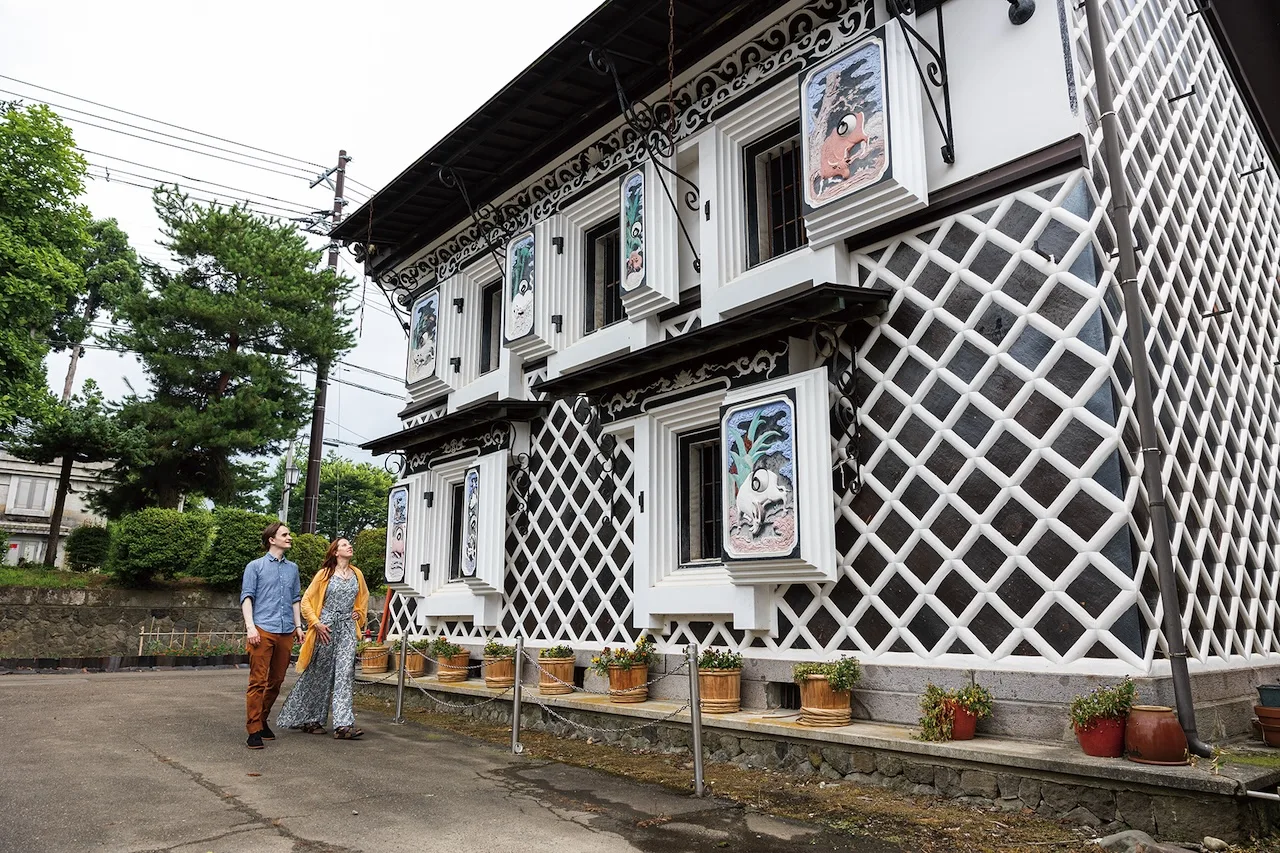
Nagaoka and Kashiwazaki Area: A Brewing Town with Generations of Wisdom and Night Skies Illuminated with Fireworks
A rich heritage of brewing and dynamic firework displays are two elements that set the Nagaoka and Kashiwazaki area apart.
Nagaoka’s Settaya is home to breweries producing miso, soy sauce, and sake. As you walk among rows of storehouses that retain character reflecting their heritage, the aromas of various creations in progress fill the air.
This area also combines the best parts of mountain and sea, allowing you to taste both sato-meshi, dishes born from the bounty of the hills, and hama-meshi prepared with fresh seafood from the Sea of Japan.
Echigo's three major fireworks festivals are also not to be missed. With Kashiwazaki by the sea, Nagaoka on the river, and Katakai in the mountains, fireworks displays against diverse backdrops captivate visitors with their immense scale.
Enjoy a rich food culture rooted in local traditions and breathtaking colors that fill the night sky.
Yuzawa and Uonuma Area
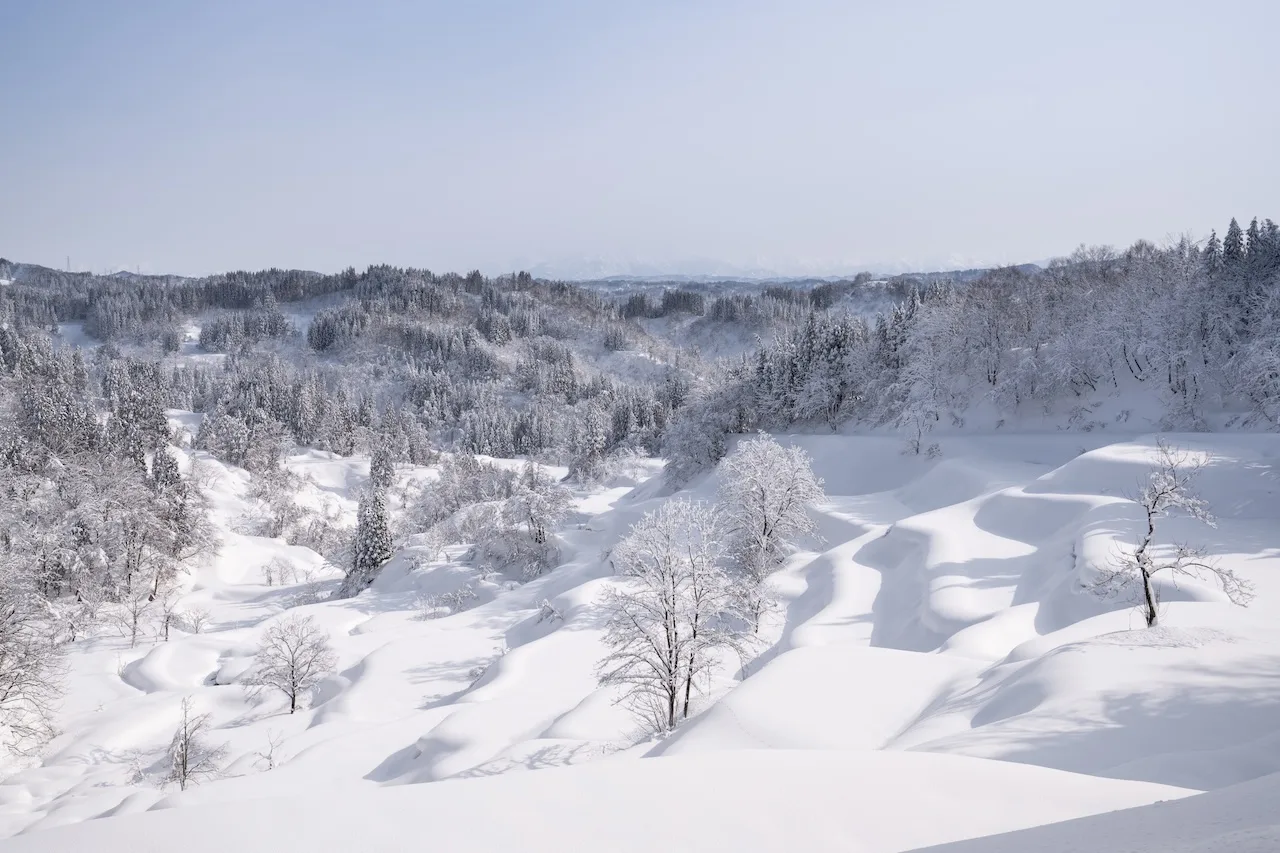
Yuzawa and Uonuma Area: Resorts with Majestic Winter Views and the Peak of Fine Cuisine in a Snow-blessed Land
As one of Japan’s snowiest places, the Yuzawa and Uonuma area is ideal for those seeking wondrous winter scenery and spectacular snow resorts. In winter, the area is a hive of activity as the high-quality snow brings skiers and snowboarders from all around.
The local knowledge necessary to overcome the challenges of this abundant snowfall has also fostered a unique food culture. Notable elements include fermented and preserved foods developed from a need to adapt to the winter conditions.
The pure meltwater further supports this rich food culture, a blessing that also made the area the birthplace of Japan's leading rice brand, Uonuma Koshihikari. To try this freshly-cooked rice in the land where it was grown is a special experience.
Discover a rich food culture packed with the wisdom of the snow country and enjoy active pursuits to your heart's content amidst fantastical winter scenery.
Myoko, Joetsu and Itoigawa Area
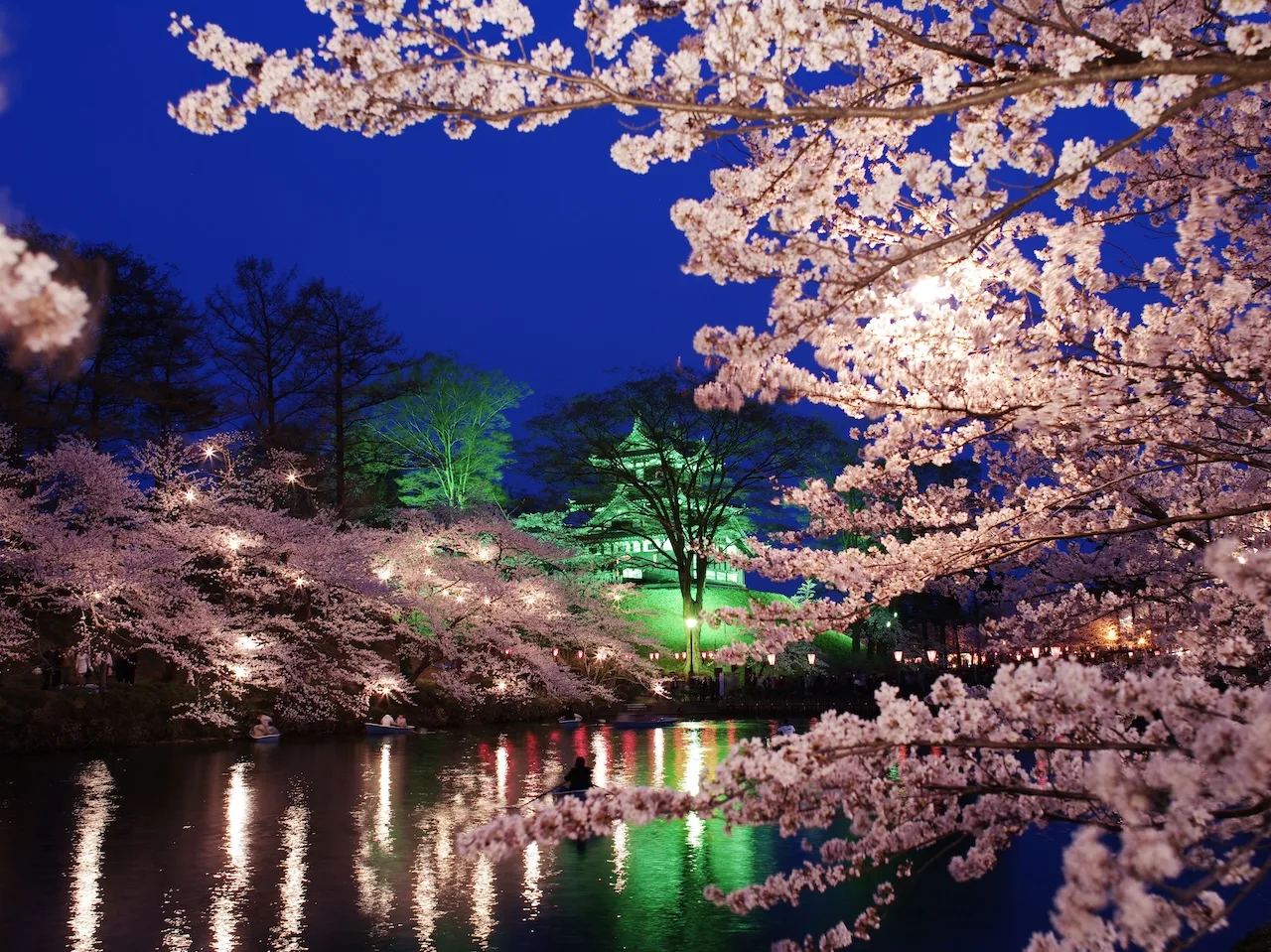
Myoko, Joetsu and Itoigawa Area: Magnificent Hot Springs and Delectable Cuisine Amidst Historic Streets and Abundant Nature
The Myoko, Joetsu, and Itoigawa area boasts places with illustrious histories surrounded by vibrant nature.
History and culture abound, including at the site of Kasugayama Castle, which still retains the atmosphere of Japan’s Sengoku period hundreds of years later, and the Takada Castle Site Park, considered one of Japan's three best nighttime cherry blossom viewing spots.
Itoigawa is also one of Japan's leading jade-producing areas, offering a way to experience the mysteries of beneath the Earth’s surface.
Myriad culinary offerings include fresh seafood from amidst the rough waves of the Sea of Japan and mountain produce nurtured by abundant water from the snow-capped mountains.
Also not to be missed is the diverse range of hot spring resorts and winter sports available around the foot of Mount Myoko.
Enjoy the blessings of nature through famous hot springs and gourmet cuisine while immersing yourself in the midst of history.
Sado Area
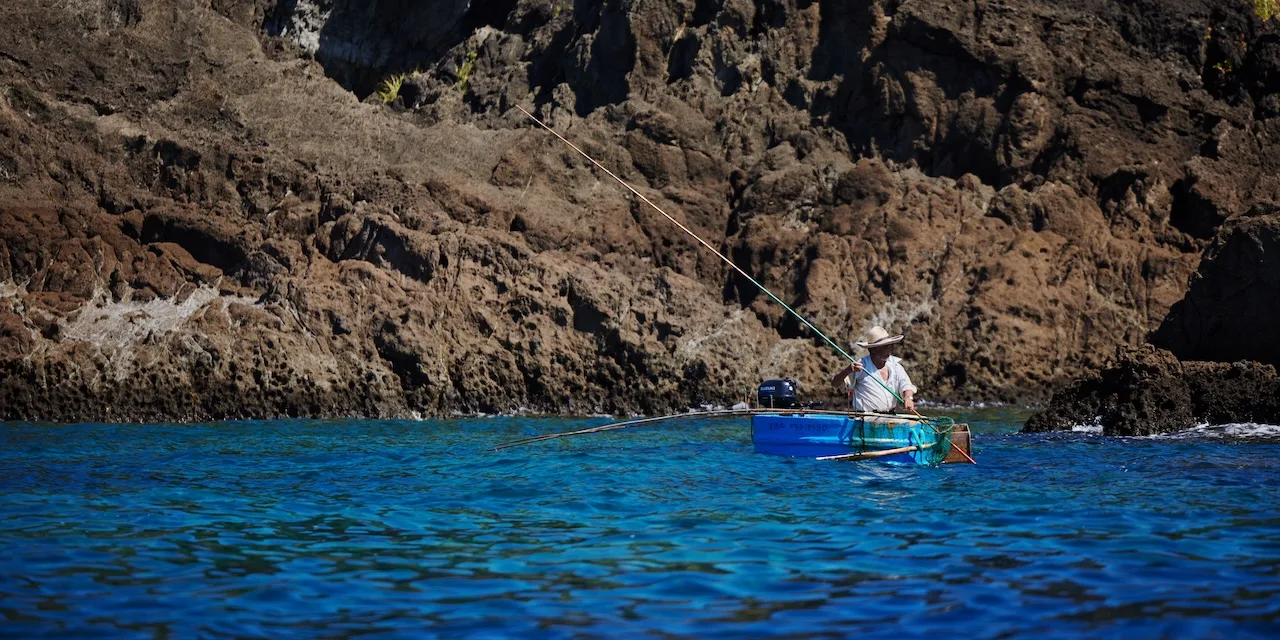
Sado Area: An Island Home to a World Heritage Site and Culinary Delights Born from Traditional Culture
The island is also home to the Sado Island Gold Mines, a UNESCO World Heritage site where you can feel the history of what once flourished as Japan's largest gold and silver mining site.
Cultures from across Japan have also fused with island’s own, leading to the development of unique elements, such as Noh stages and Ondeko drum performances.
Sado Island is known as a treasure trove of gourmet food, with lush countryside providing abundant agricultural products alongside plentiful fresh seafood from the surrounding Sea of Japan.
Learn about the history of a World Heritage site and enjoy the food culture and traditions brought by the island’s myriad blessings.