

Mumyoi potter and Living National Treasure of Japan
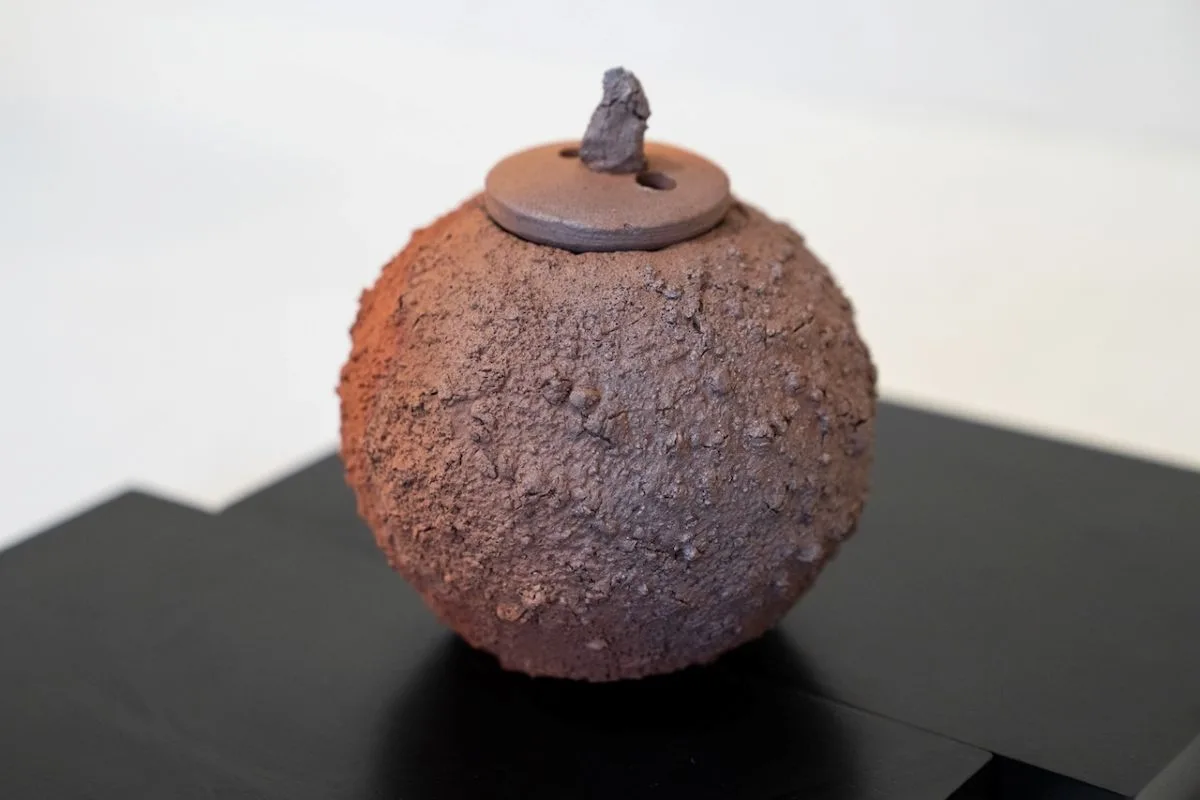
What does “originality” truly mean in this world?
An artist who embodies this concept lives on Sado, a remote island in Niigata Prefecture. His name is Ito Sekisui V, and he is a Mumyoi potter and Living National Treasure of Japan.
1. What Is Mumyoi Ware?
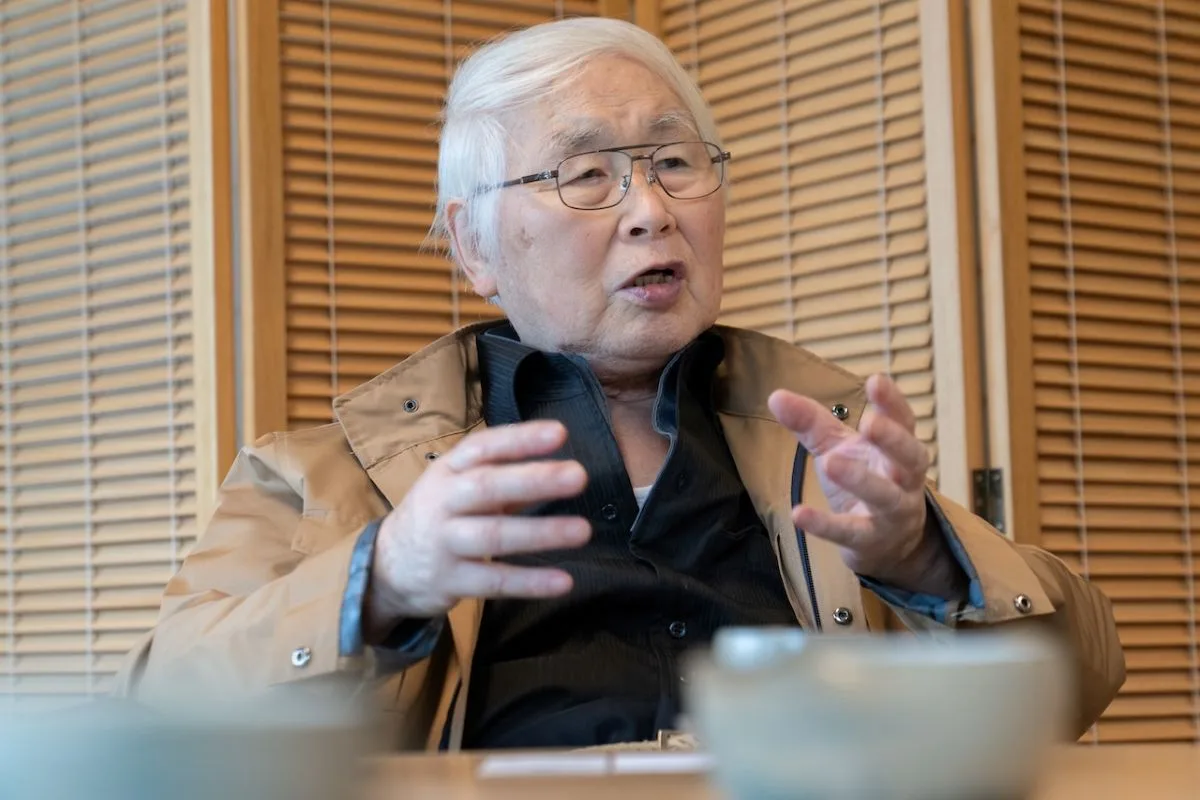
This article introduces Mumyoi ware and traces Ito Sekisui V’s pursuit of originality when making it.
1. What Is Mumyoi Ware?
Mumyoi is a traditional pottery technique passed down on Sado Island in Niigata Prefecture. Characterized by its fiery red surface, this pottery is deeply connected to the Sado Gold Mine, which opened around 1600.
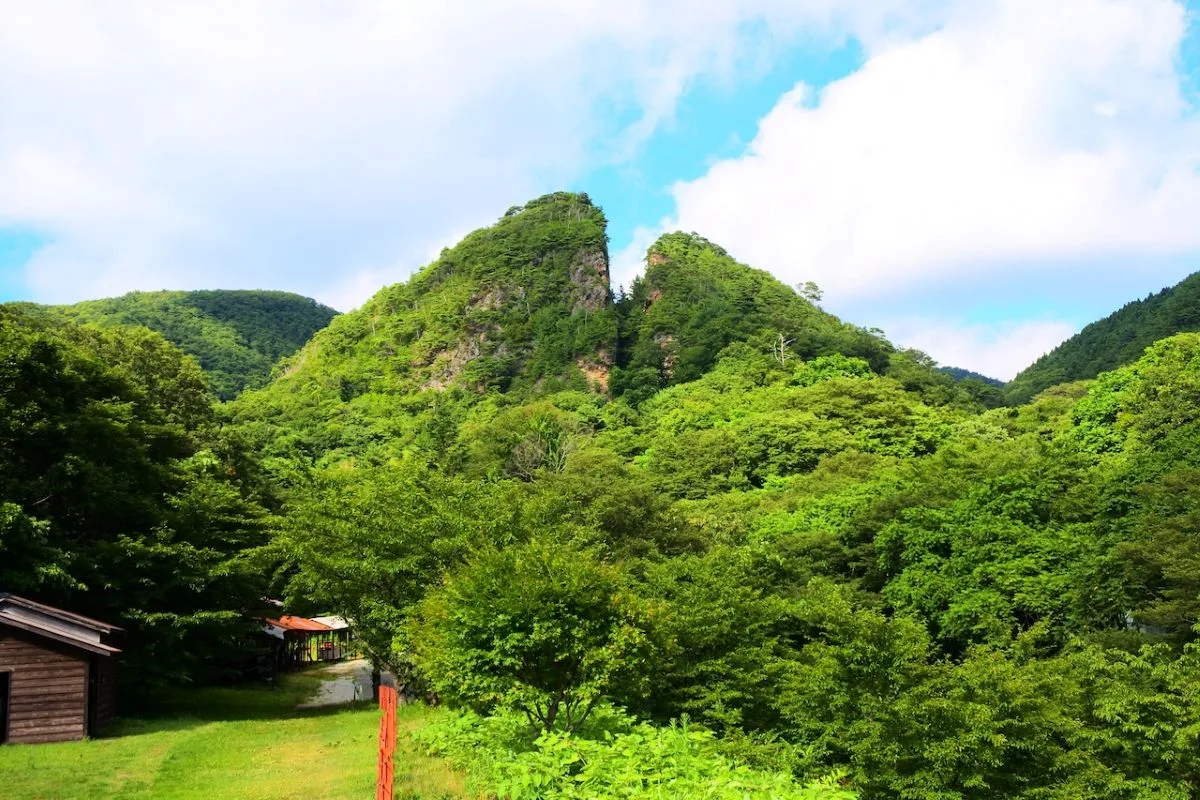
The raw material for Mumyoi pottery is Mumyoi clay, a kind of red clay rich in ferrous oxide. This rare clay can only be extracted near the gold veins of Sado’s gold mines. Back in the day, it was used as an herbal medicine for purposes such as stopping bleeding. Over time, it started to appreciate in value. Eventually, someone thought of mixing it into pottery clay to bring out a certain “depth” in the finished wares, giving birth to Mumyoi ware.
2. Behind Ito Sekisui V’s Pursuit of Originality
Ito Sekisui V’s family history is deeply connected with the Sado Gold Mine. Starting in 1640, for eight generations, the Ito family were craftspeople working under the trade name “Hachiguya Jinbei” who made an essential part for Sado Gold Mine’s smelting and refining furnaces: the “tuyere,” a pipe or nozzle through which air is blown into furnaces.
Though once deeply intertwined with the island’s mining industry, the Ito family underwent a major transformation during the Meiji era (1868-1912), changing their name to “Ito Sekisui” and switching their craft to Mumyoi wares.
The Ito family has shown that they are not the type to cling rigidly to a single role, but rather continually re-examine their identity amid changing times. This spirit has been passed down through the generations, forming the foundation of Ito Sekisui V’s creative inquiry.
3. Ito Sekisui V’s Pursuit of Originality with Mumyoi Pottery
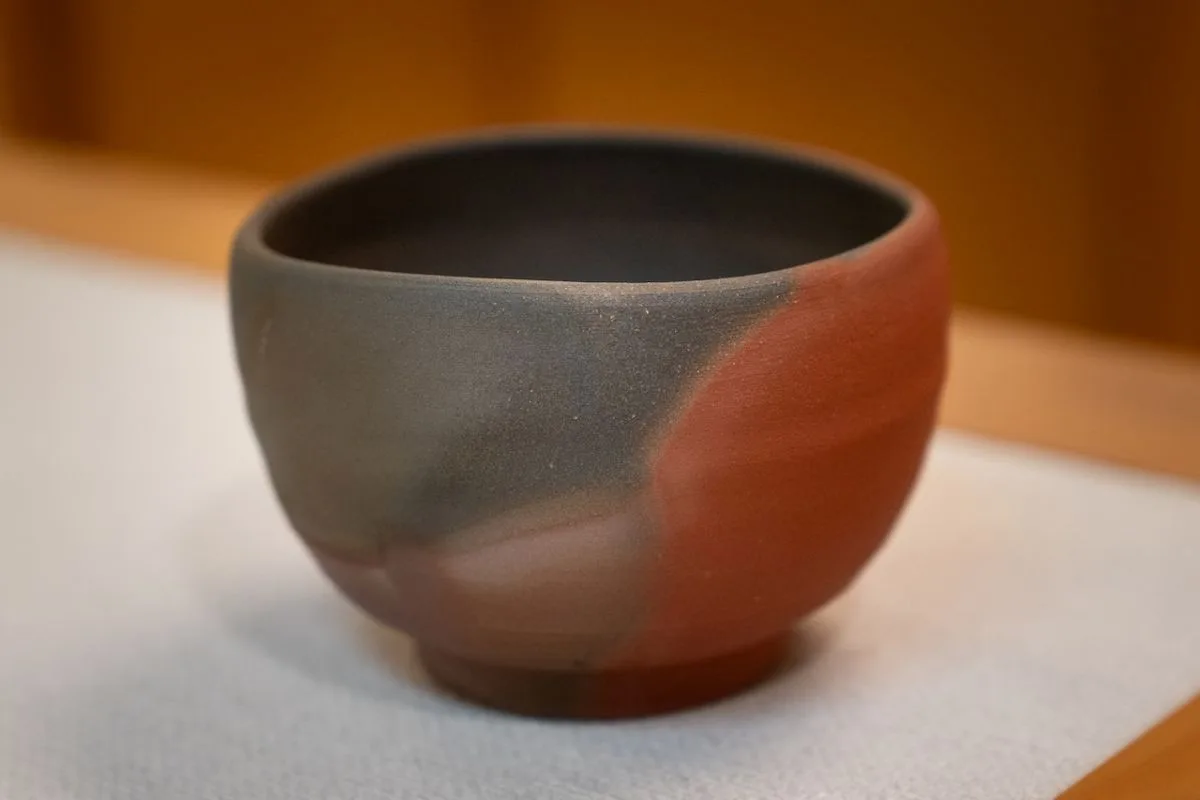
Ito Sekisui V began working with Mumyoi ware in 1966, creating his first major work, the Yohen series. “Yohen” refers to the color variations that occur in ceramics during firing. As it is caused by factors such as the condition of the flames, oxygen levels within the kiln, and the properties of the glaze painted on the ceramic, it is difficult to tell what the final product will look like.
The fundamental characteristic of Mumyoi pottery is that it turns bright red when fired in an oxygen-rich environment. However, in the Yohen series, the areas directly exposed to flame are deprived of oxygen, causing them to turn black. Ito Sekisui V embraced this allure of the interplay between red and black, stating that it appealed to his aesthetic stance of imperfect beauty holding more charm than flawless perfection. He deliberately departed from the fundamentals, presenting the Yohen series as a fresh expression of Mumyoi pottery.
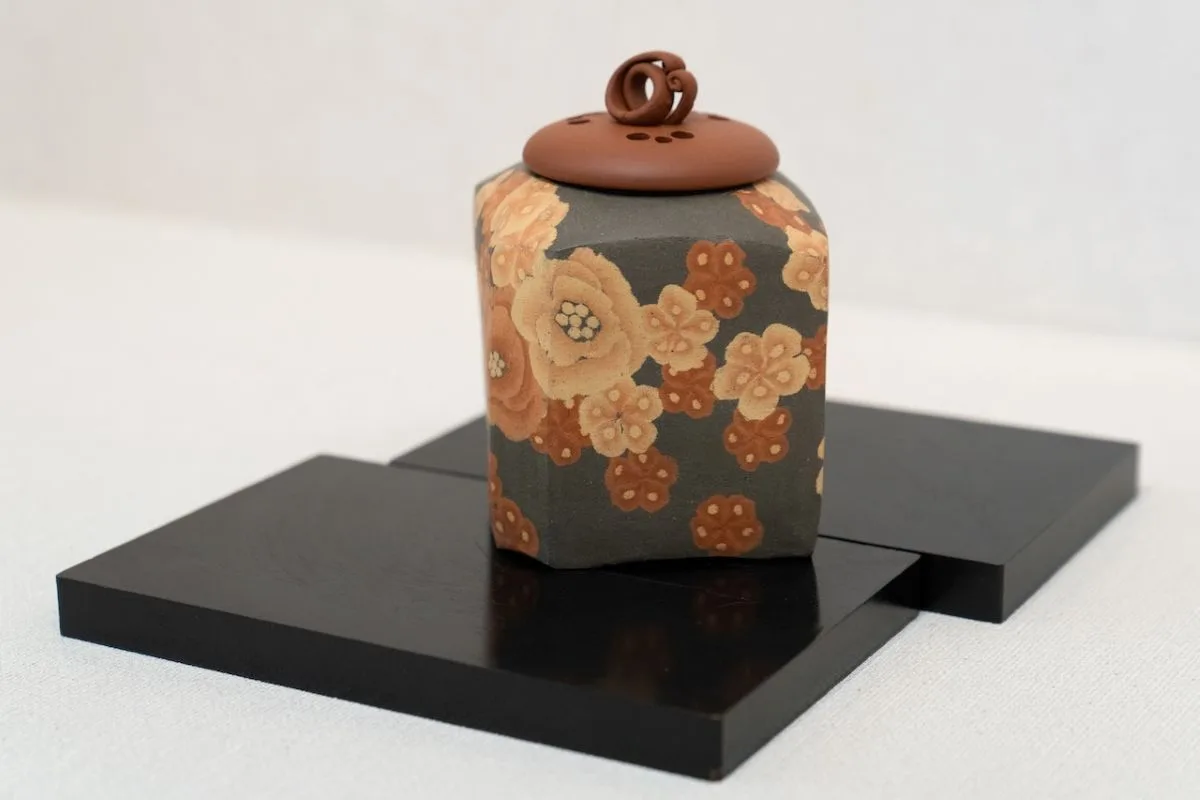
While producing numerous pieces in the Yohen series, a desire to try a slightly different approach led to the creation of the Neriage series. “Neriage” is a technique where various colored clays are combined to create patterns in a way similar to making Japanese sushi rolls. In the case of the Neriage series, different color clays were meticulously worked together to form floral patterns.
According to Ito Sekisui V, the charm of the Neriage series lies in the distortion that emerges in the floral patterns as a result of the force applied to bond multiple types of clay together. “Just as a hand-drawn line is more appealing than a perfectly straight line drawn with a ruler, this distortion is what makes the Neriage series charming.”
The Sado Island series marked a significant shift from the precise work required for the Neriage series. By the time Ito Sekisui V created this line of works, he was already 60 years old. Reflecting on his journey as a ceramic artist, he thought, “Why not step outside the very framework of Mumyoi pottery and freely fire whatever I like?” And thus, the Sado Island series was created.
Born from this sense of freedom, there was only one rule behind this series: to use materials found on Sado, drawing on his experience of being born and raised there. The materials used in this series included not just clay, but even rocks that were mixed into the clay and tree roots. The plants used burned away during firing, sometimes leaving holes. This too became a kind of natural beauty and a source of charm.
Breaking free from existing frameworks and forever being guided by his aesthetic preferences and convictions, Ito Sekisui V has continuously created new works. His creative history can truly be called a “journey in pursuit of originality.”
4. The Journey Never Ends
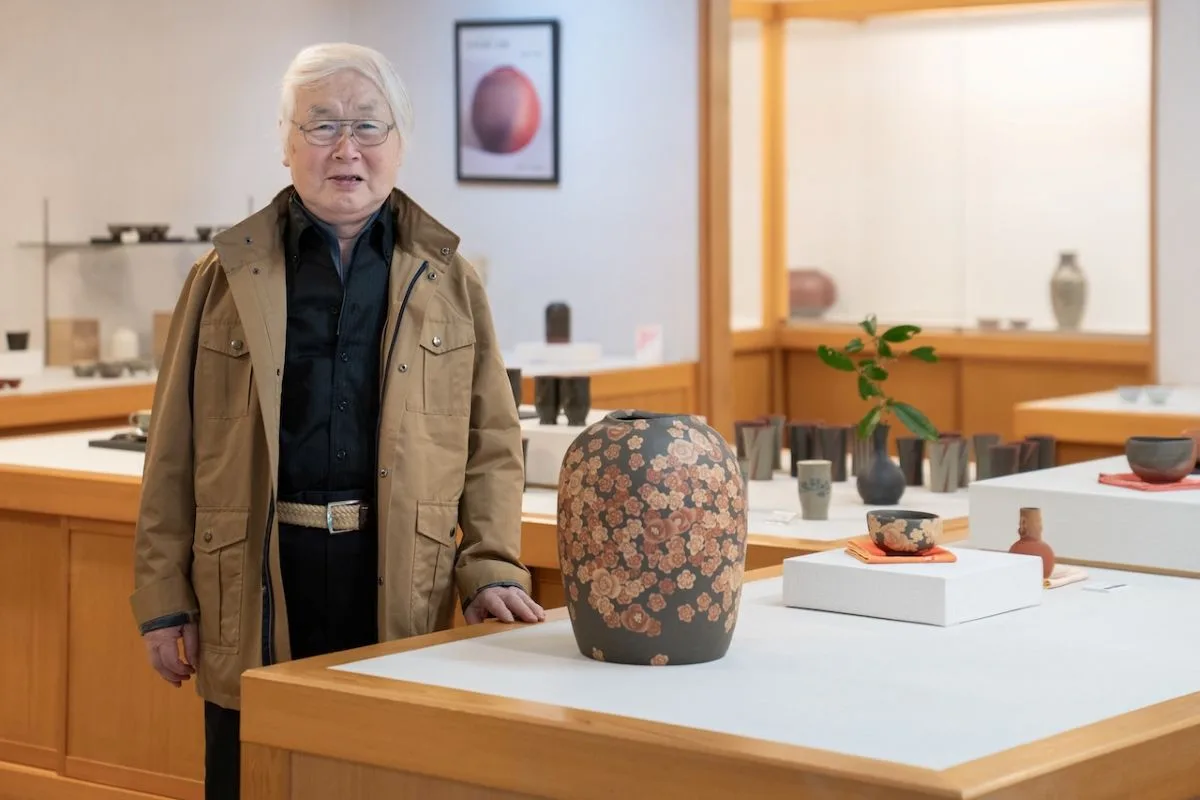
As someone who has continued to abide by his own aesthetic beliefs and pursue originality, Ito Sekisui V was designated a Living National Treasure (a master of traditional crafts or performing arts that have been designated as Important Intangible Cultural Properties of Japan) in 2003. Even now that he has created distinctive works such as the Yohen and Neriage series, as well as discovering a new expression of Mumyoi ware that incorporates Sado Island through his Sado Island series, his journey to explore originality is far from over.
“What I’m doing now isn’t the final pattern, but just one point along the way. For now, I’d like to delve a little deeper into the Sado Island series,” he said with a smile. You can strongly sense that to him, “originality” is not about remaining in one place, but rather the process of constantly moving forward in search of the next possibility.
This attitude not only resonates within the world of traditional crafts but also offers us courage in our own lives – the courage to break free from existing frameworks and find our own unique expression.
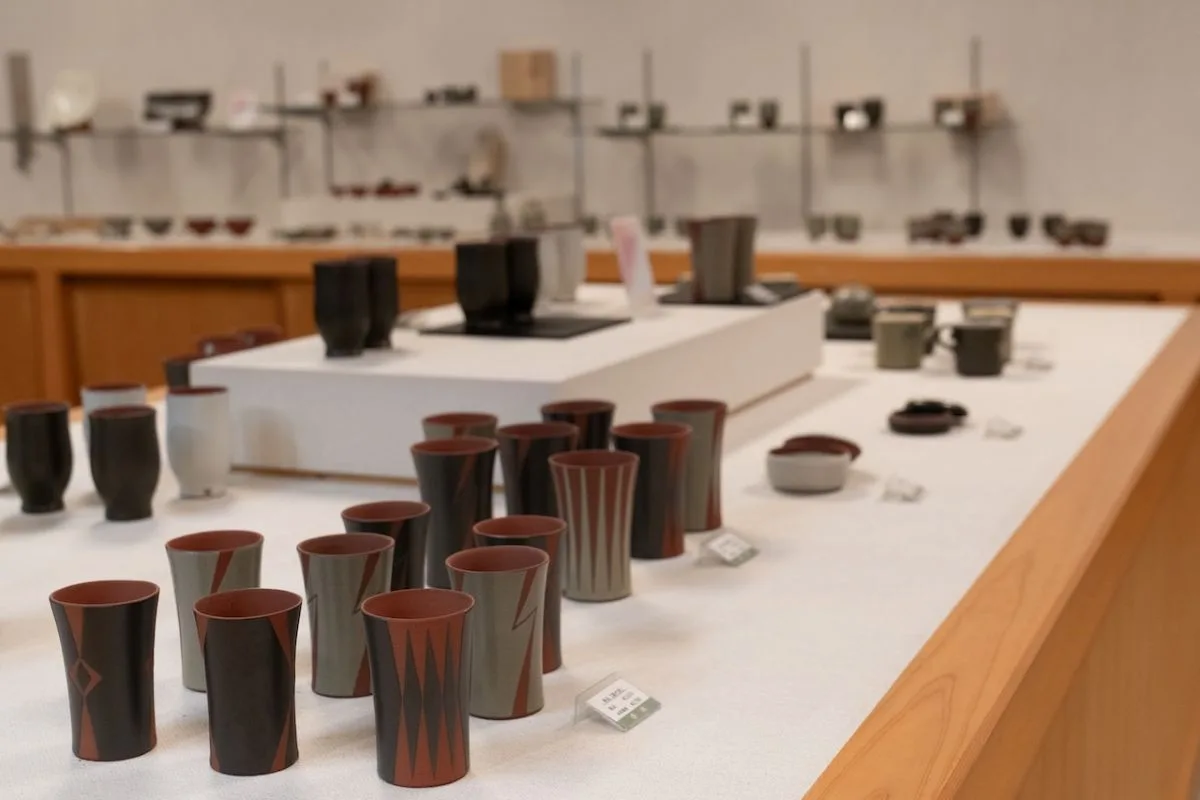
Ito Sekisui V’s works can be viewed and purchased at the following facilities on Sado Island. Other works aside from the Yohen, Neriage, and Sado Island series can also be found on display. When visiting Sado Island, please be sure to drop by!
■ Ito Sekisui Main Store
〒952-1557
1-1, Aikawa, Sado-shi, Niigata Prefecture
Business Hours: 10:00 AM – 5:00 PM
■ Ito Sekisui Gallery
〒952-1501
808-3, Shimo Aikawa, Sado-shi, Niigata Prefecture
Closed: Wednesdays, mid-November to mid-April (winter closure), occasional temporary closures