

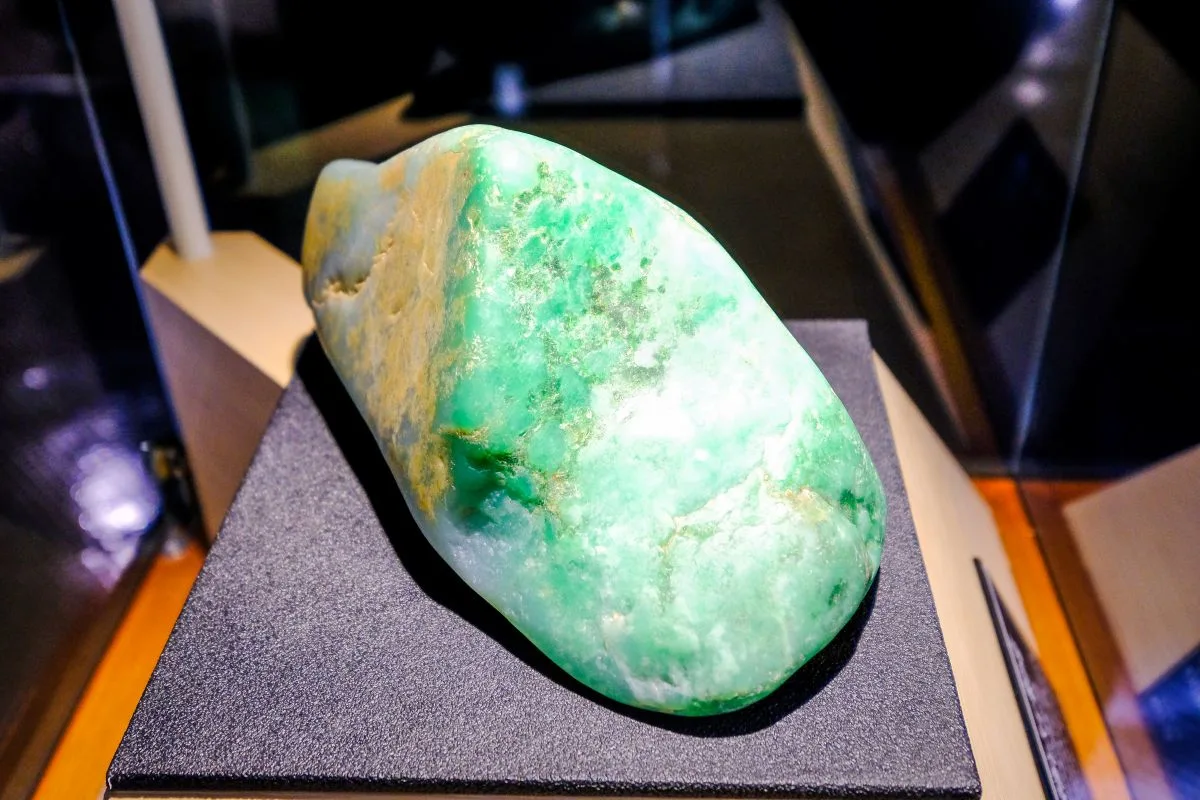
Itoigawa City, a UNESCO Global Geopark in Niigata Prefecture, is home to one of the world’s oldest jade cultures. This rare stone has long remained hidden in the region, and continues to captivate people across generations. Join curator Ogawara as we explore the heart of “Stone Town,” from the geological forces behind jade’s formation to the distinct spiritual meaning it holds in Japan.
Ogawara’s Journey as a Curator: Discovering the Magic of Stone in Itoigawa
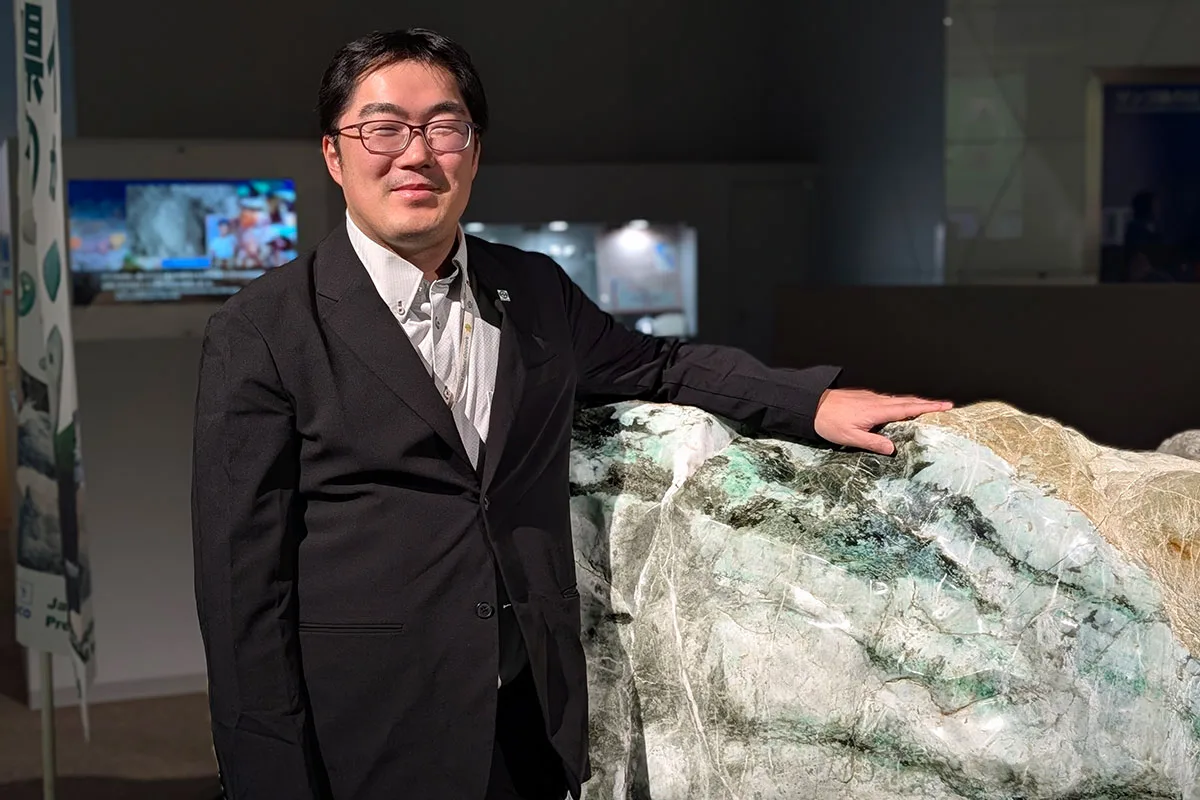
Home to what is considered the world’s oldest jade culture, along with other geological wonders, Itoigawa City in Niigata Prefecture is often called “Stone Town.” For local curator Ogawara, his relationship with jade began not through long-held ambition, but through a series of chance decisions that gradually shaped his path.
Raised in Tokyo, he first encountered geology in middle school, where the geology club happened to be the only science option available. Years later, acting on a mentor’s encouragement, he enrolled at Niigata University. While there, the guidance of a senior student led him to focus his research on Itoigawa jade.
After graduation, word of his work reached the director of the Fossa Magna Museum, himself an alumnus of the same university. The invitation was direct: why not come and work here? Drawn by that connection, Ogawara moved to Itoigawa. What began as coincidence ultimately led him to a role at the center of the region’s jade culture, helping to preserve and interpret its legacy today.
1. One of the World’s Oldest Jade Cultures: How Did Itoigawa Jade Take Shape?
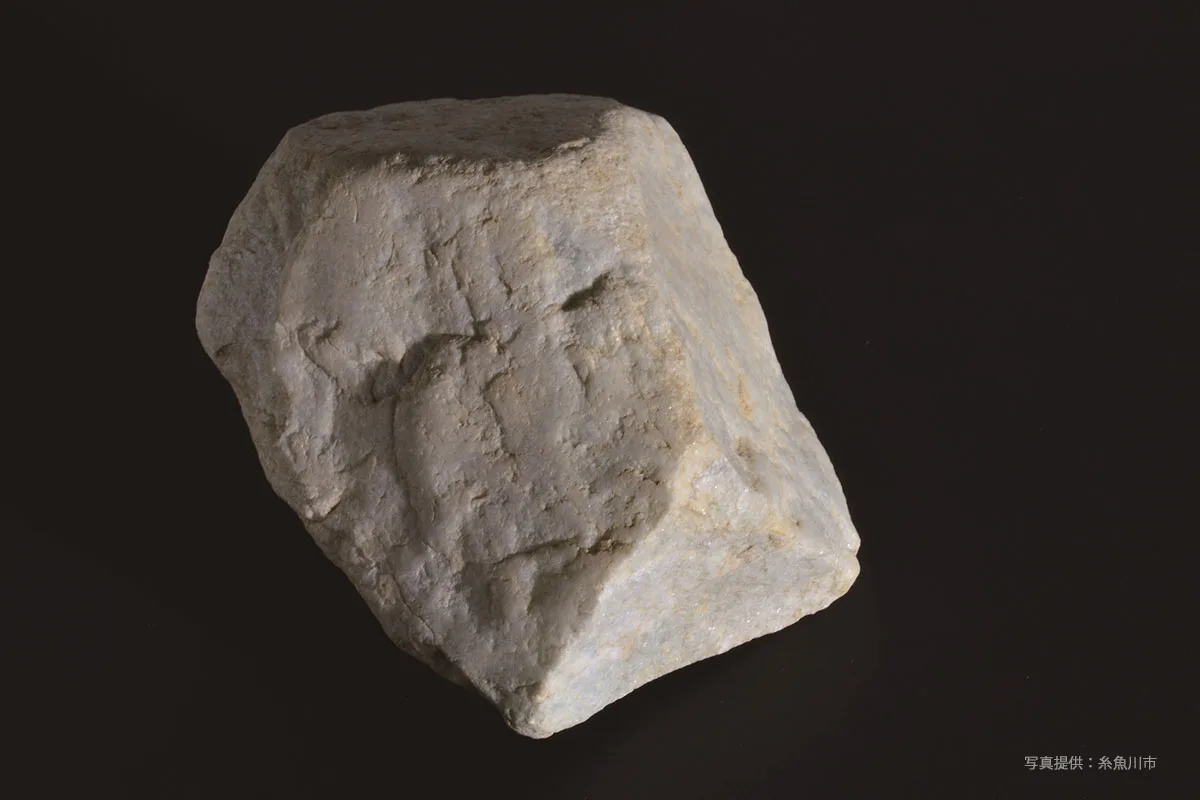
The roots of Itoigawa’s jade culture extend back around 6,500 years to the Jomon period. This long history is unmatched anywhere else, leading to its recognition as the world’s oldest jade culture. For the people of the time, however, jade was valued not for its appearance but for its exceptional durability. In an era before metal tools, its hardness and weight made it ideal as a hammerstone, used to shape other materials such as obsidian. This meant that jade entered everyday life first as a practical tool, supporting the routines of daily survival.
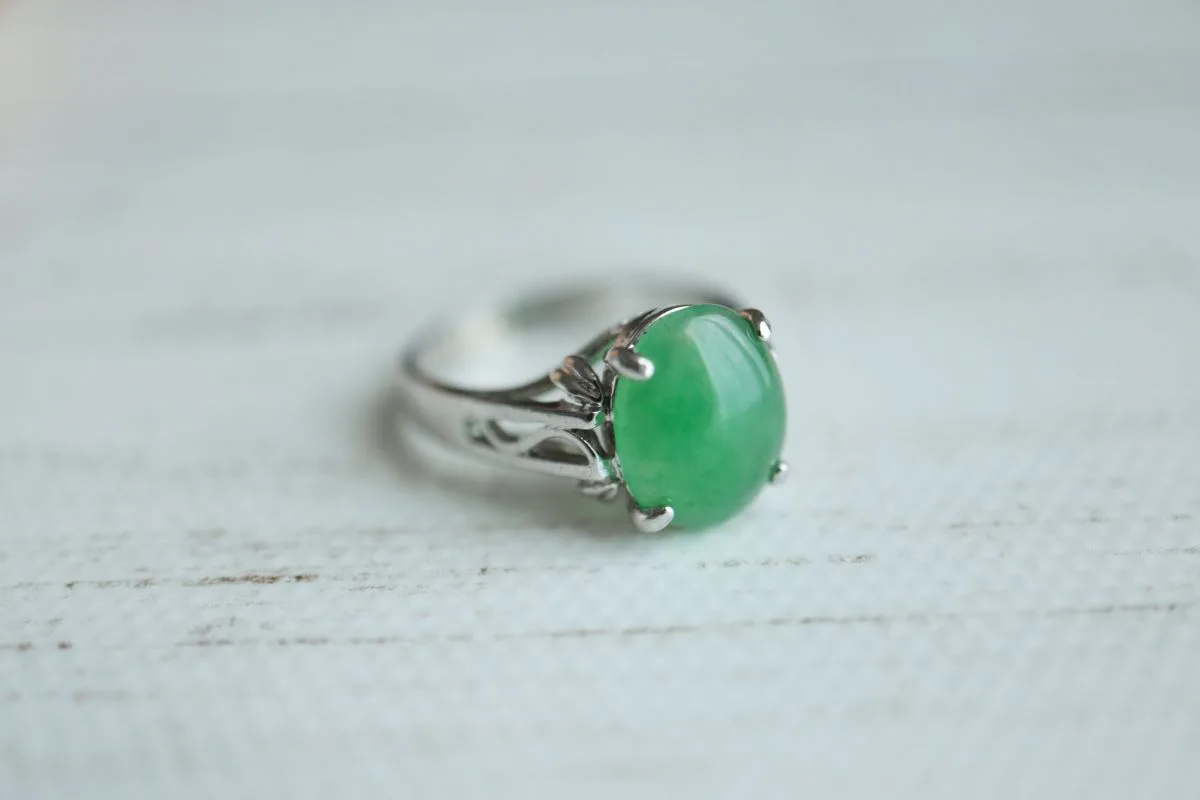
Around 6,000 years ago, people began to sense a deeper, more mysterious appeal in jade. Archaeological sites have uncovered finely crafted ornaments, including large beads known as taishu and pendants, signaling jade’s transition from a purely practical material to a gemstone with spiritual meaning.
2. Why Did Jade Emerge in Such a Specific Place as Itoigawa?
The exceptional character of Itoigawa jade is the result of two geological miracles. The first occurred roughly 500 million years ago, when jade formed under extreme pressure some 20 to 30 kilometers beneath the surface, along subducting oceanic plates. Over immense spans of time, these conditions gave rise to its remarkable hardness and visual beauty. Among Japan’s ten jade regions, Itoigawa stands apart for the scale of its deposits, yielding gem-quality jade so large and striking that it can be easily appreciated with just the naked eye.
The second miracle was the uplift that carried these once-buried stones to the surface. At the western edge of the Fossa Magna, Japan’s great tectonic boundary, a distinctive geological structure exposed ancient strata, bringing 500-million-year-old material from the depths into the light.
With both exceptional formation conditions and rare surface exposure, Itoigawa has been shaped by geological processes spanning hundreds of millions of years, giving rise to what is often called a “ground of miracles.”
3. What Role Has Jade Played in Japan’s Spiritual Culture?
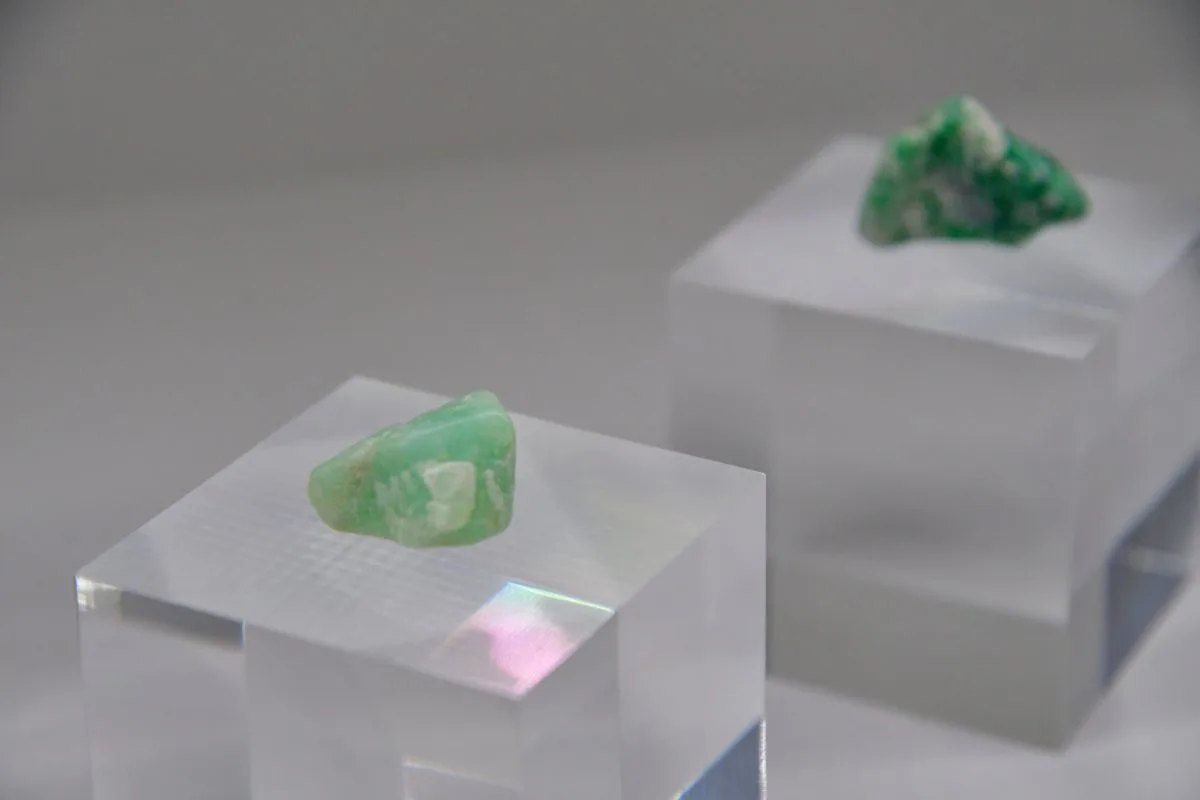
In Japanese spiritual culture, Itoigawa jade came to represent more than ornamentation, taking on meaning as a sacred symbol of life and the soul. In its vivid green color, ancient people saw the emergence of new growth and the force of regeneration.
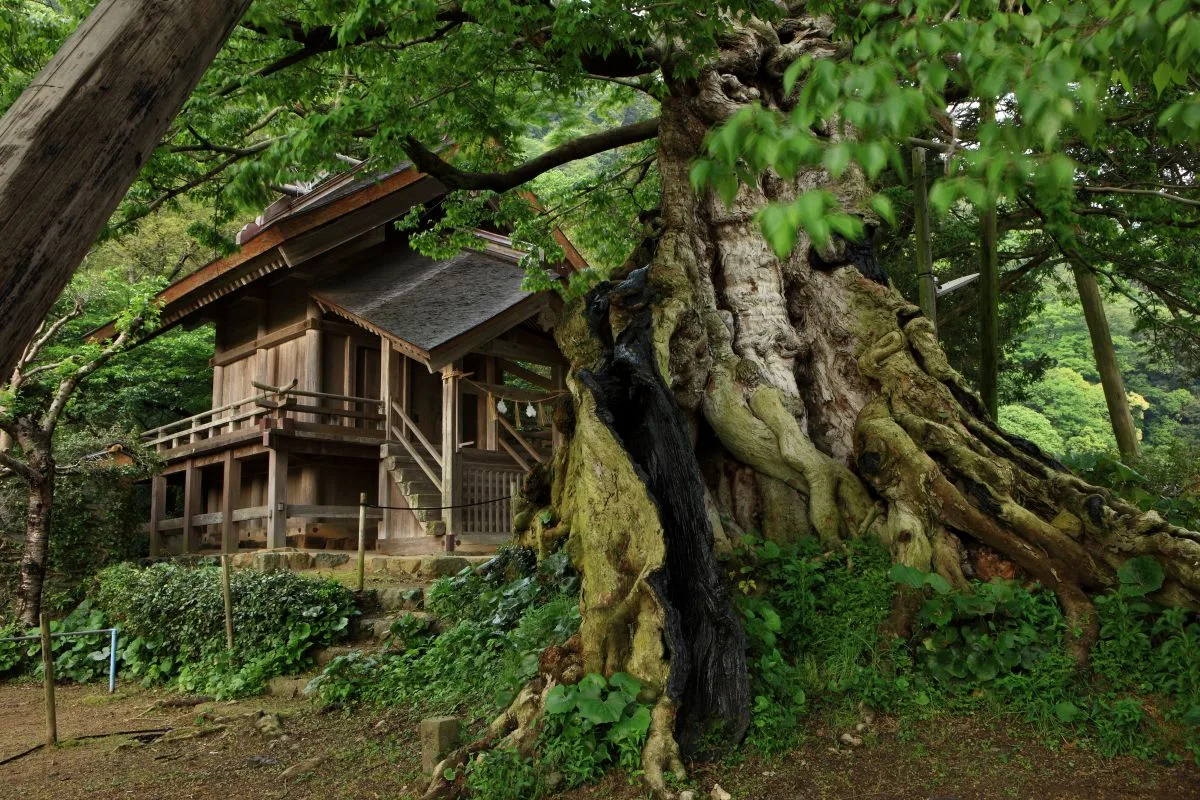
These beliefs are reflected in the magatama, or curved jewels, unearthed near Kamimusubi Inochinushi Shrine at Izumo Taisha. In keeping with the meaning of the shrine’s name in Japanese, jade was revered as the “Lord of Life.”
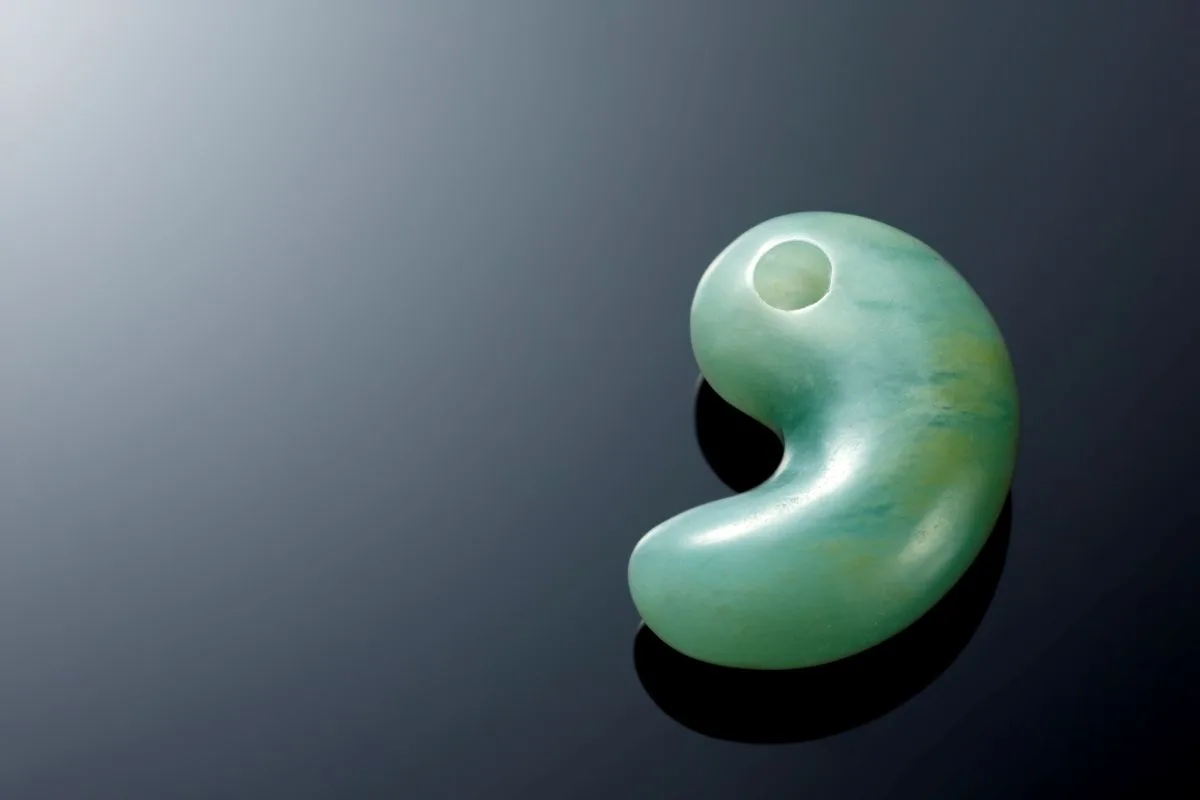
The distinctive curve of the magatama is thought to mirror the shape of a fetus, expressing prayers for the continuation of life. Jade’s significance also extended beyond Japan. Historical records note that jade was presented to China by the successor of Queen Himiko, who ruled Japan in the 3rd century, underscoring its status as one of the country’s most valued gifts. To wear jade was to carry with it a life-affirming power.
4. More Than Just Jade: Why Itoigawa Is Known as “Stone Town”
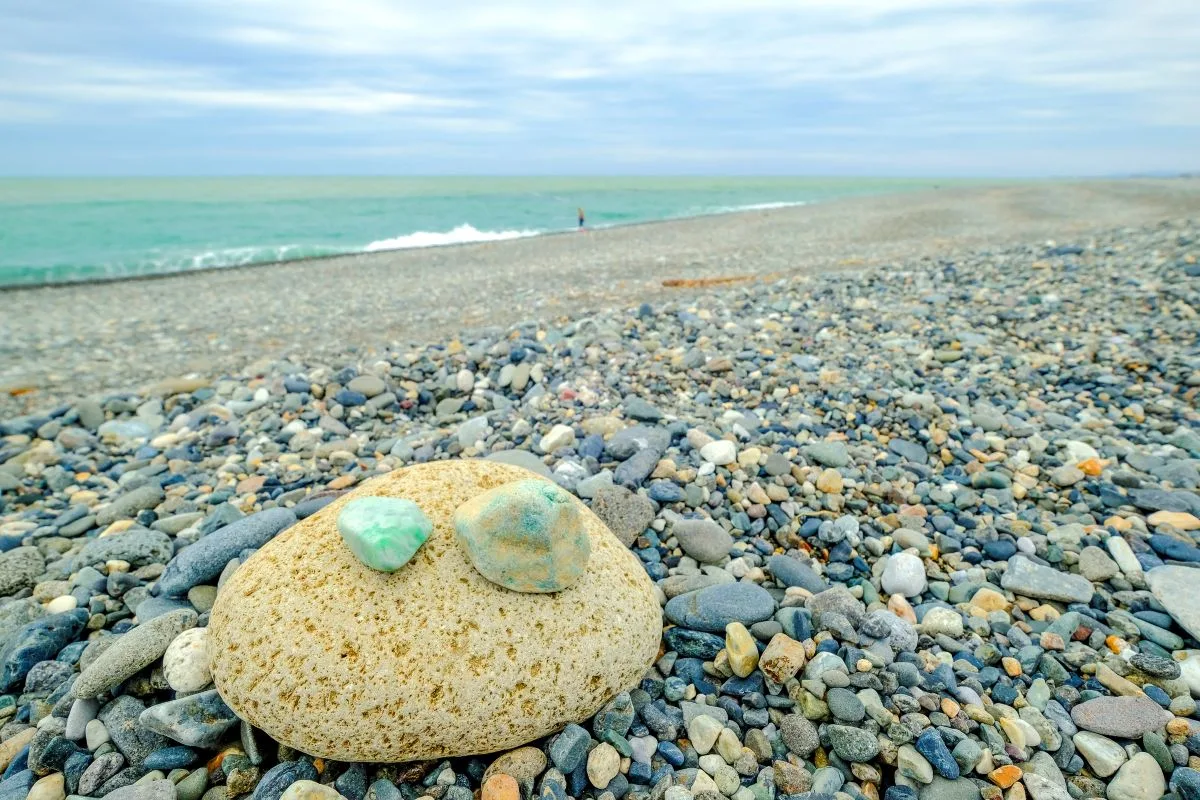
Itoigawa’s geological reputation is rooted in two major phenomena. The first is the Itoigawa-Shizuoka Tectonic Line, a massive fault where rocks hundreds of millions of years old sit directly beside much younger formations. The second is plate subduction, which forces rare stones such as jade, normally formed deep within the Earth, up to the surface. Together, these conditions have shaped a coastline where stones of vastly different origins and ages come together: jade, limestone created from fossilized coral, volcanic rock formed from cooling magma, and more. Walking along Itoigawa’s shores becomes an encounter with the Earth’s history, layered across hundreds of millions of years.
5. Ogawara’s Picks: Spots in Itoigawa to Discover Stone Culture
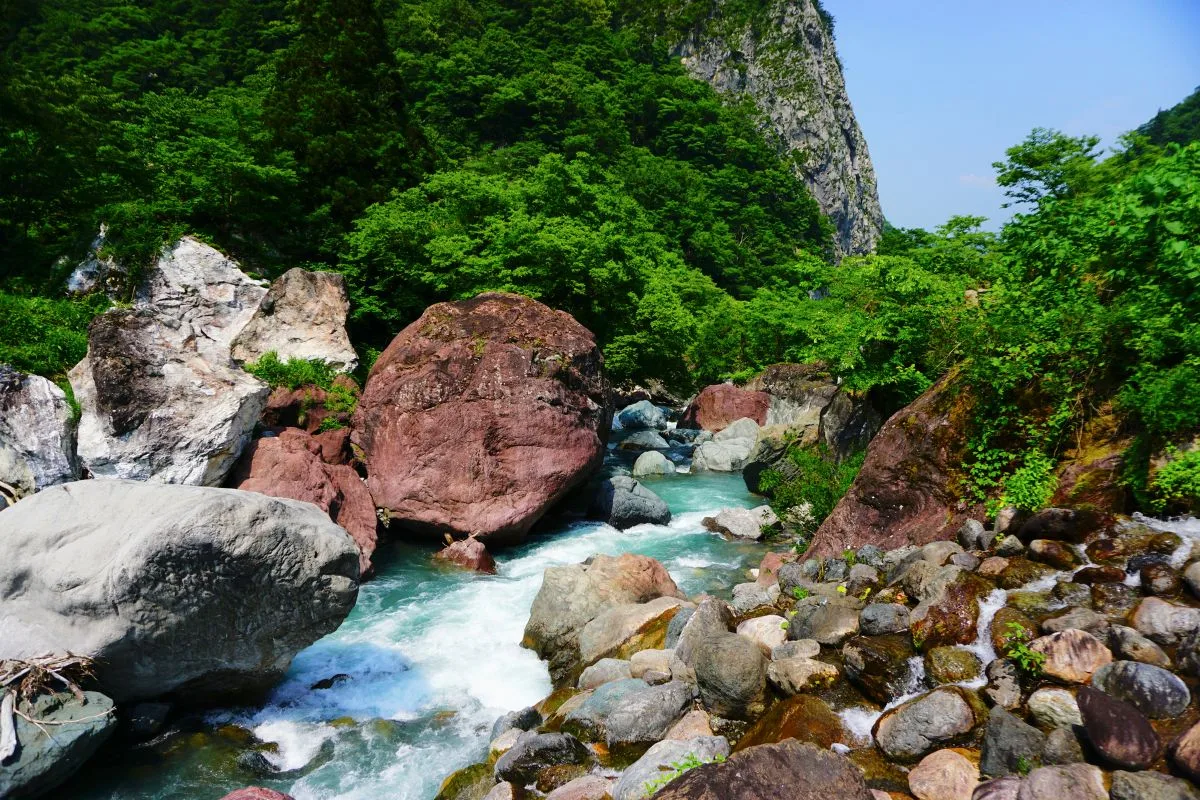
In Itoigawa, ancient jade can be seen and experienced in a variety of ways. Begin at the Kotaki River Jade Gorge, the birthplace of Itoigawa jade, where massive stones rest in the riverbed and can be observed up close. Car access is recommended.
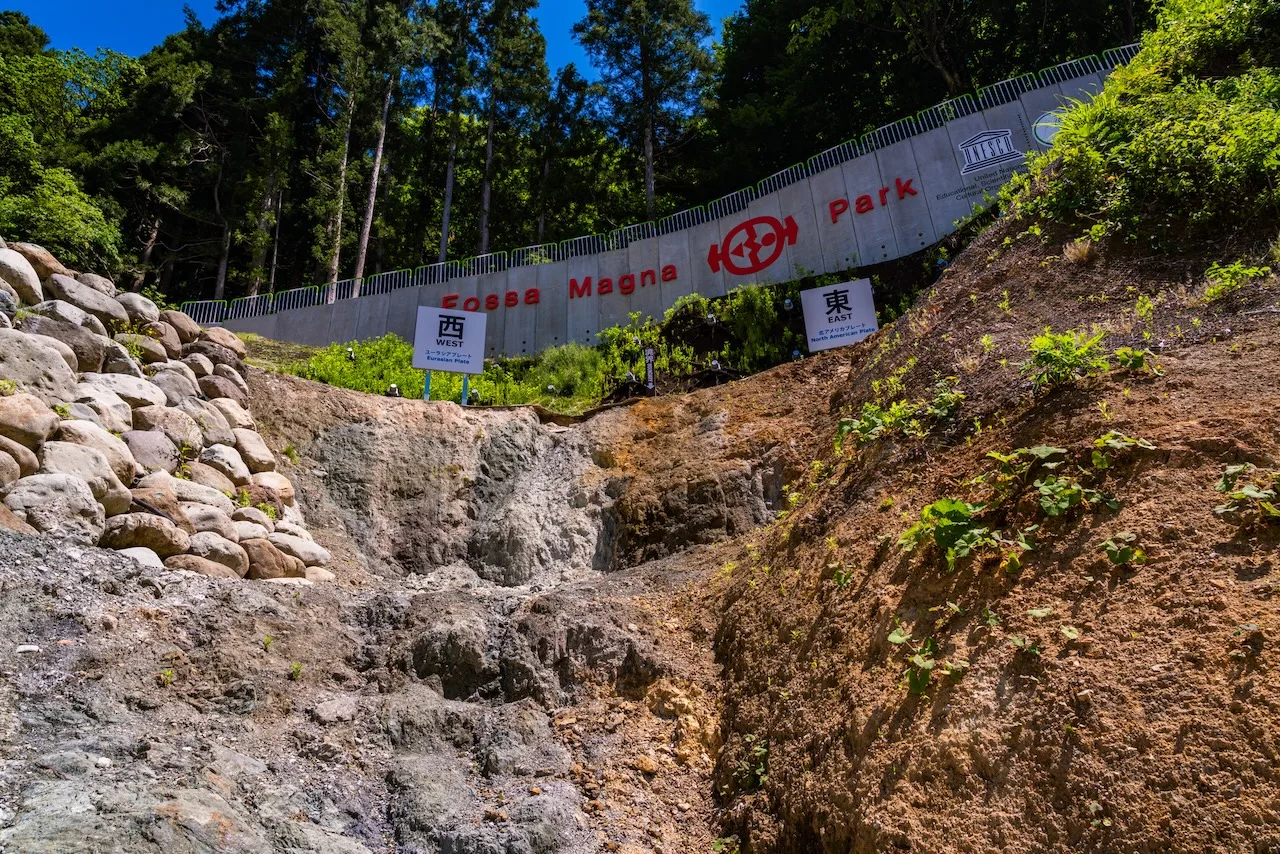
Next, visit the Fossa Magna Museum, where visitors can touch polished jade and fossils while learning how the Japanese archipelago came into being. The experience can be extended at nearby Fossa Magna Park, which offers a striking view of the Earth’s massive fault line.

Finally, head to the coast, where stones carried downstream gather along the shore. Here, anyone can enjoy searching among rocks of many different origins, all brought to the surface from deep underground. You may even discover your own “stone of destiny.” Please remember that these stones are part of Itoigawa’s natural heritage. Choose only a few favorites and return the rest to where you found them.
6. What You’ll Take Away From Itoigawa’s Stones
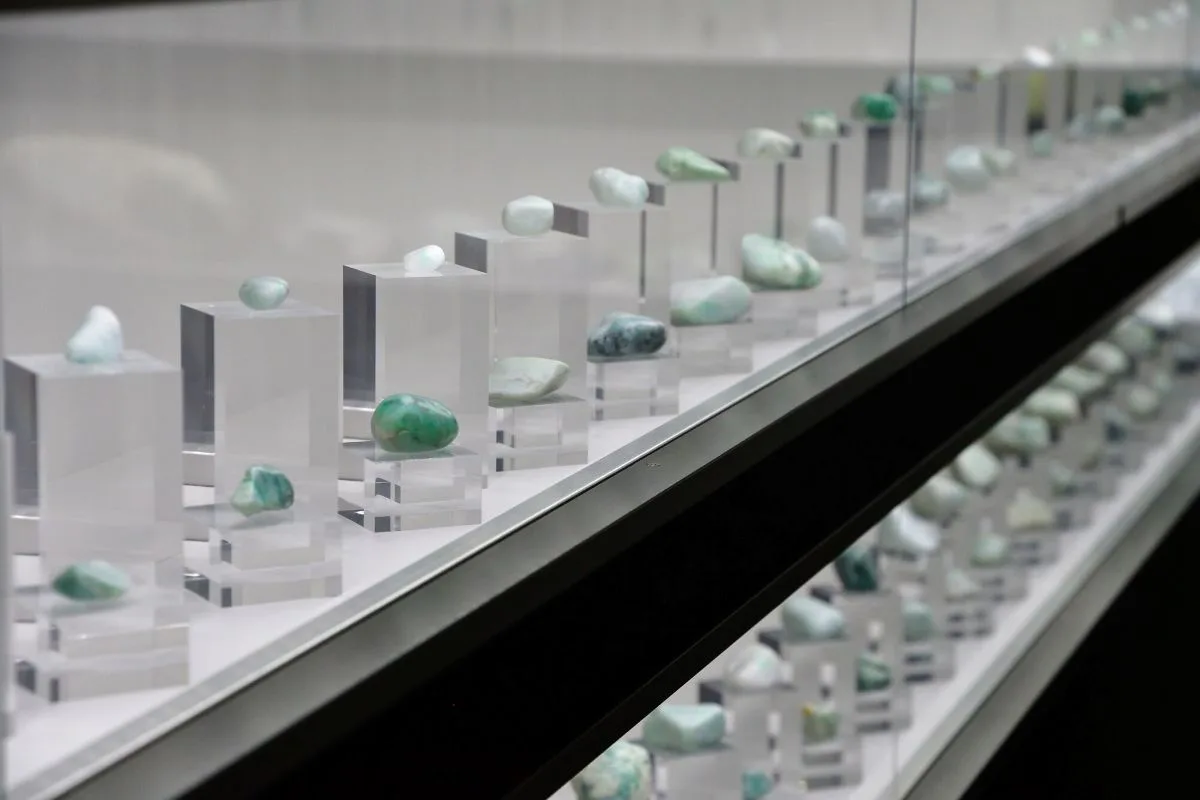
Stones are more than simple rocks. They hold the Earth’s memory, recording the forces that have shaped it over time. In Itoigawa, limestone and volcanic rock tell stories that stretch back hundreds of millions of years, from ancient eruptions to the uplift of the seafloor. Even without finding jade, encountering these varied stones allows visitors to sense the scale and power of the Earth’s history. Taking time to look back on the planet’s past, while valuing the natural environment that exists today and is inseparable from it, lies at the heart of what a geopark truly represents.