

Blessings of the Snow Country—Japan’s Premier Rice Heartland
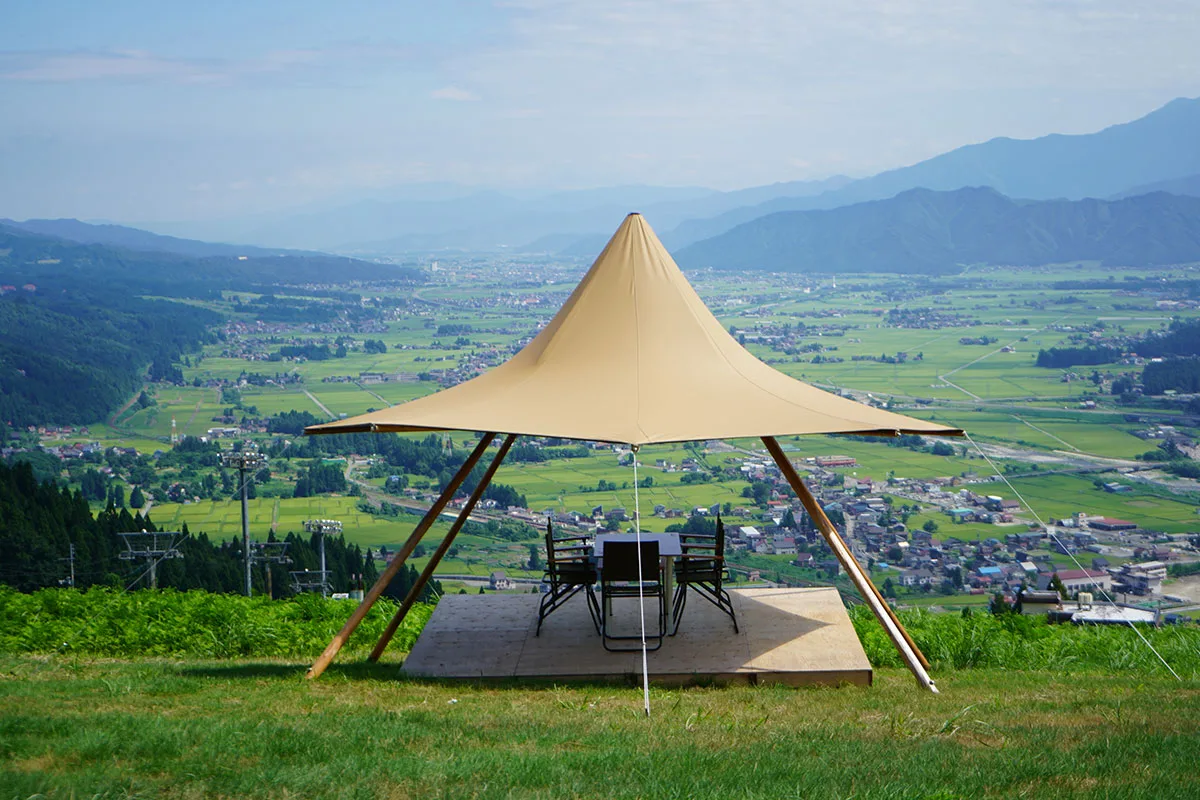
Niigata Prefecture boasts the highest rice production in Japan, and within it, Minamiuonuma City is celebrated as one of the region’s most distinguished rice-growing districts. You can experience this charm by taking a gondola at Ishiuchi Maruyama Ski Resort to scenic lookout, The Veranda at Ishiuchi Maruyama. You’ll be greeted with views of rice paddies stretching out across the Uonuma Plain straddled by the majestic peaks of the Echigo Sanzan (“the Three Mountains of Echigo”). Blessed by snowmelt, fertile soil, and dramatic temperature shifts between day and night, this rice-growing heartland has long cultivated Japan’s iconic Koshihikari rice. A must-visit stop during your journey is FARM FRONT SEKI NOEN. Here, you can taste pesticide-free rice grown in harmony with the nature of Minamiuonuma, served as salted rice balls cooked in earthenware pots. Take a moment to slow down and immerse yourself in the unique rice culture of Minamiuonuma , expressed through breathtaking landscapes and the exquisite flavors of the land.
Wisdom from Living with the Mountains—The Art of Preserved Foods
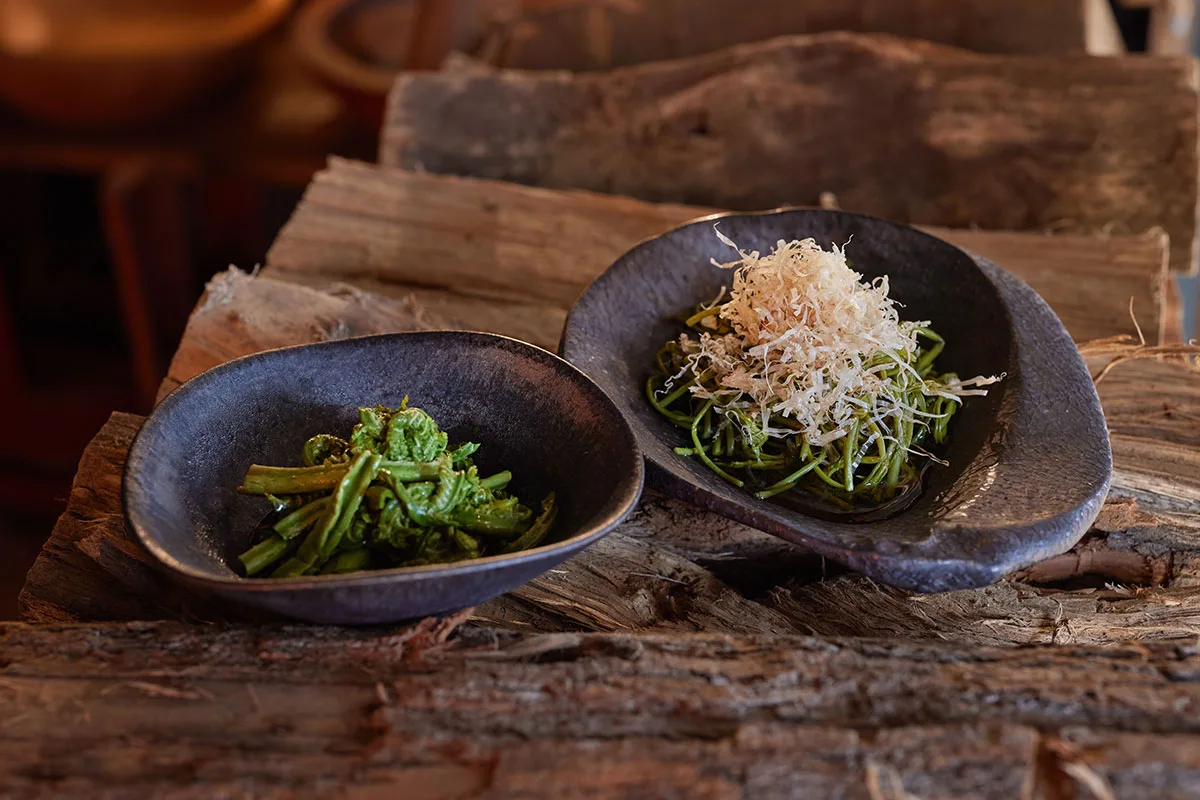
In Niigata, a land defined by winters that deliver heavy snowfall, a culture of preserving and fermenting foods has evolved as a way to navigate the severity of nature. When the season for harvesting sansai (mountain vegetables) arrives, locals employ techniques such as drying and salt-curing to prepare for the long winter months ahead. This wisdom is a byproduct of a life lived in constant harmony with the natural environment.
To immerse yourself in this heritage, visit ryugon in Minamiuonuma City. Their Doma Cooking experience allows you to try your hand at making traditional preserved foods while learning about the wisdom behind them. Additionally, at Keyakien, you can enjoy country dishes like noppe-jiru (a hearty vegetable stew), seasonal mountain vegetables harvested locally, and char or ayu sweetfish grilled over a traditional irori hearth. Accommodation is also available. Experience the culture of preserved foods—a legacy nurtured by time spent in the mountains.
Textiles Woven by Mountain Life
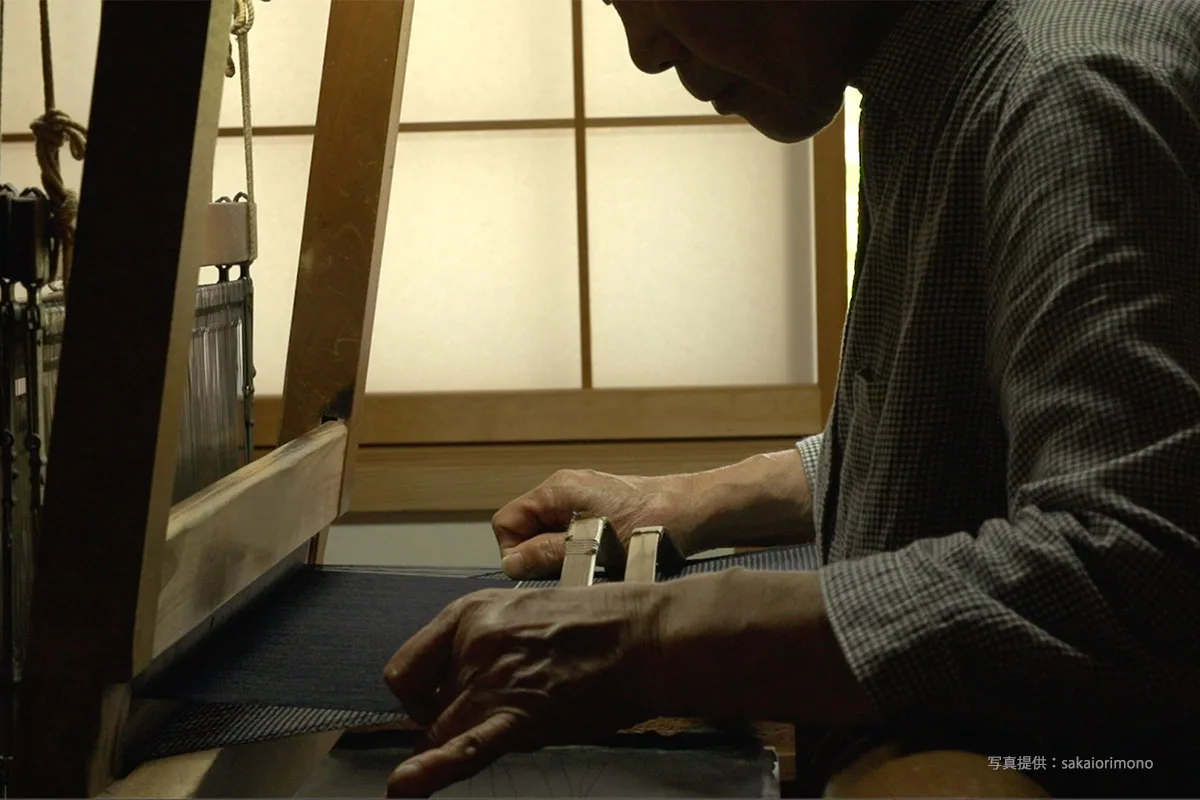
The people of Niigata have long balanced their lives against the rigors of nature by creating beautiful textiles through delicate handwork. Renowned fabrics such as Echigo Jofu, Shiozawa Tsumugi, and Ojiya Chijimi are cultural cornerstones born directly from life spent in the snow country. A traditional technique that continues to be passed down today is yuki-sarashi (snow bleaching). By spreading cloth and thread across snowfields in early spring, this method harnesses the power of nature to achieve a white finish. At Sakaiorimono in Minamiuonuma City, the manufacturing process continues to prioritize manual techniques to preserve the inherent texture of the materials. Through workshop tours, hands-on experiences in creating kasuri (patterned) thread, and Shiozawa Tsumugi kimono dressing sessions, you can discover the profound charm of textiles nurtured by the snow country.
Master Sculptor Uncho Ishikawa
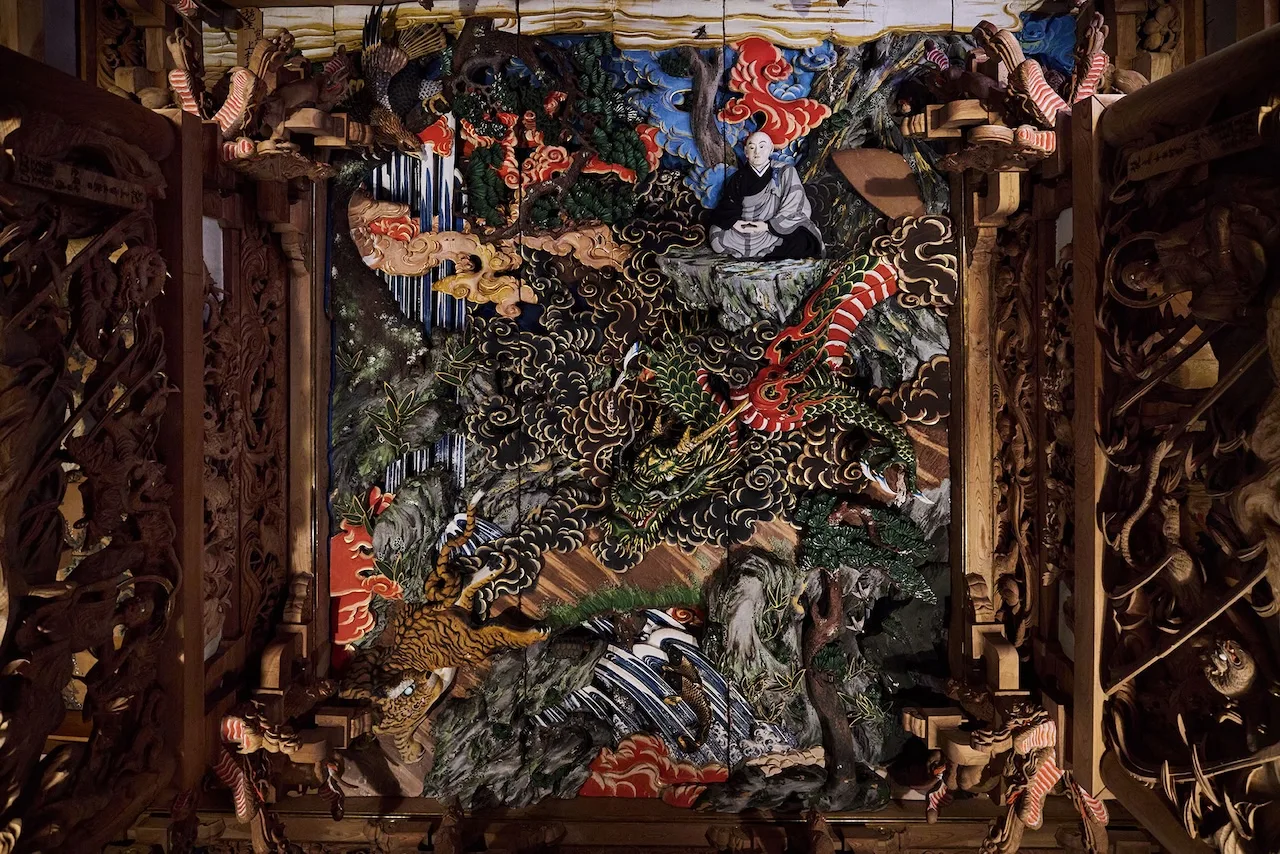
You can also see the influence of the snow country in the carvings and sculptures that decorate the local temples. Of particular note are the ones made by sculptor Uncho Ishikawa, nicknamed the “Michelangelo of Japan.” Though born in Edo (modern-day Tokyo), he is largely known for his extraordinary skill which he used to create over 1,000 works of art in Niigata alone, many of which harmonize perfectly with the natural landscapes and spiritual atmosphere of the local temples. At the Saifukuji Temple in Uonuma City, you can encounter his impressive work, from the intricate carvings in gates and the formidable Nio guardian statues to the elegant fusuma (sliding doors) paintings that decorate the main hall. These works, bursting with color and vitality, possess a dynamic presence that feels as if they might spring to life at any moment. A defining charm of Uncho’s work is his ability to shift his expressive style to suit each location—a quality that continues to captivate visitors. Wander through this tranquil mountain temple and fully immerse yourself in a world of artistry nurtured by the spirit and environment of Echigo.
Breathtaking Rural Landscapes—Terraced Rice Paddies and Ponds
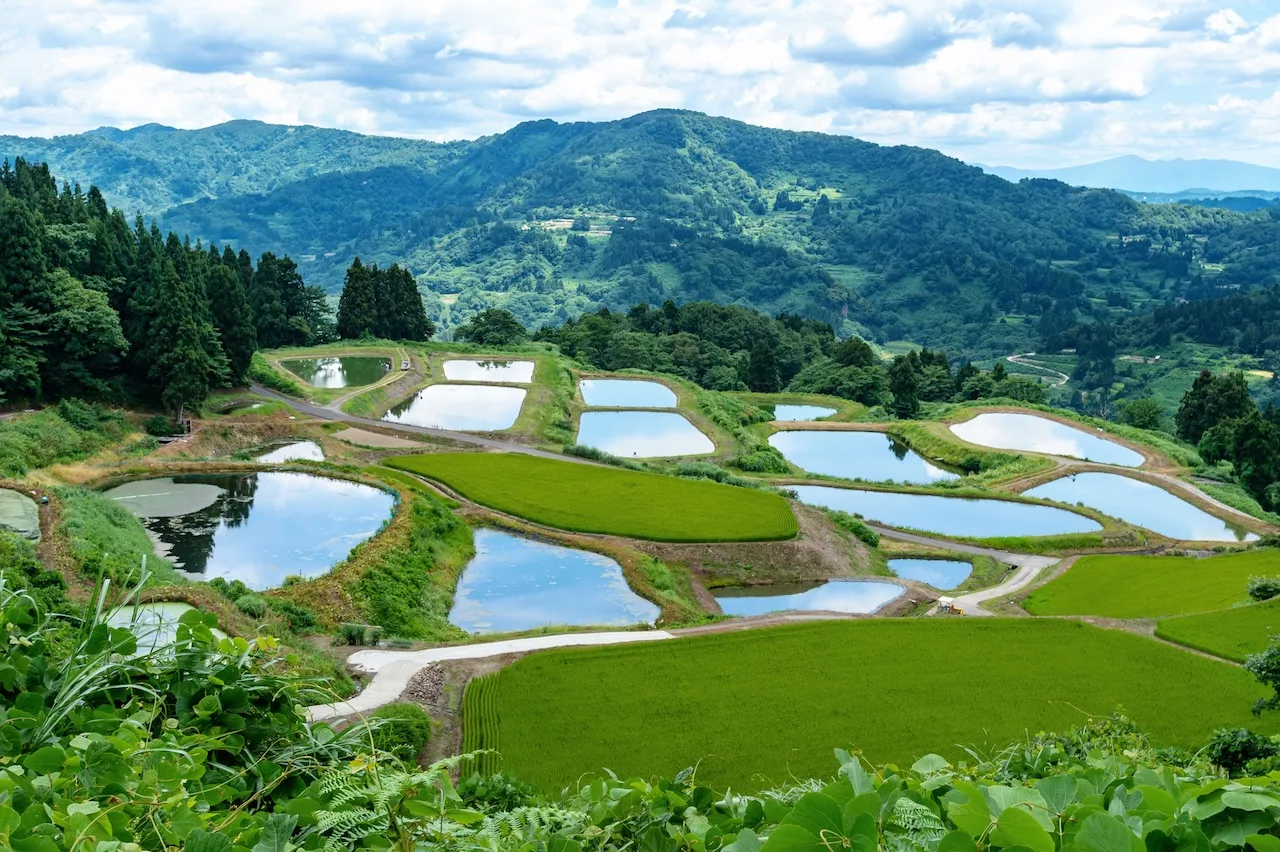
In the Yamakoshi region of Nagaoka City, terraced rice paddies and ponds are layered upon one another across mountain slopes, creating stunning satoyama—traditional rural landscapes where nature and human life coexist. The shimmering water of the terraces takes on a new face from dawn to dusk, while the shifting seasonal hues of the rice crops offer a visual feast. The lifeblood of rice production is groundwater drawn from natural springs and horizontal wells. To overcome the harsh environment, people developed a way of warming the water by circulating it through reservoirs and weirs. Dotted among the rice paddies are terraced ponds for breeding and raising nishikigoi (multicolored ornamental carp). The same pure waters that produce delicious rice also nurture these world-renowned ”living jewels.” Be sure to visit the area to experience firsthand this breathtaking satoyama scenery—a masterpiece woven from the natural environment and lifestyles of the snow country.