

Niigata’s Seafood—A Bounty from the Undulating Sea of Japan
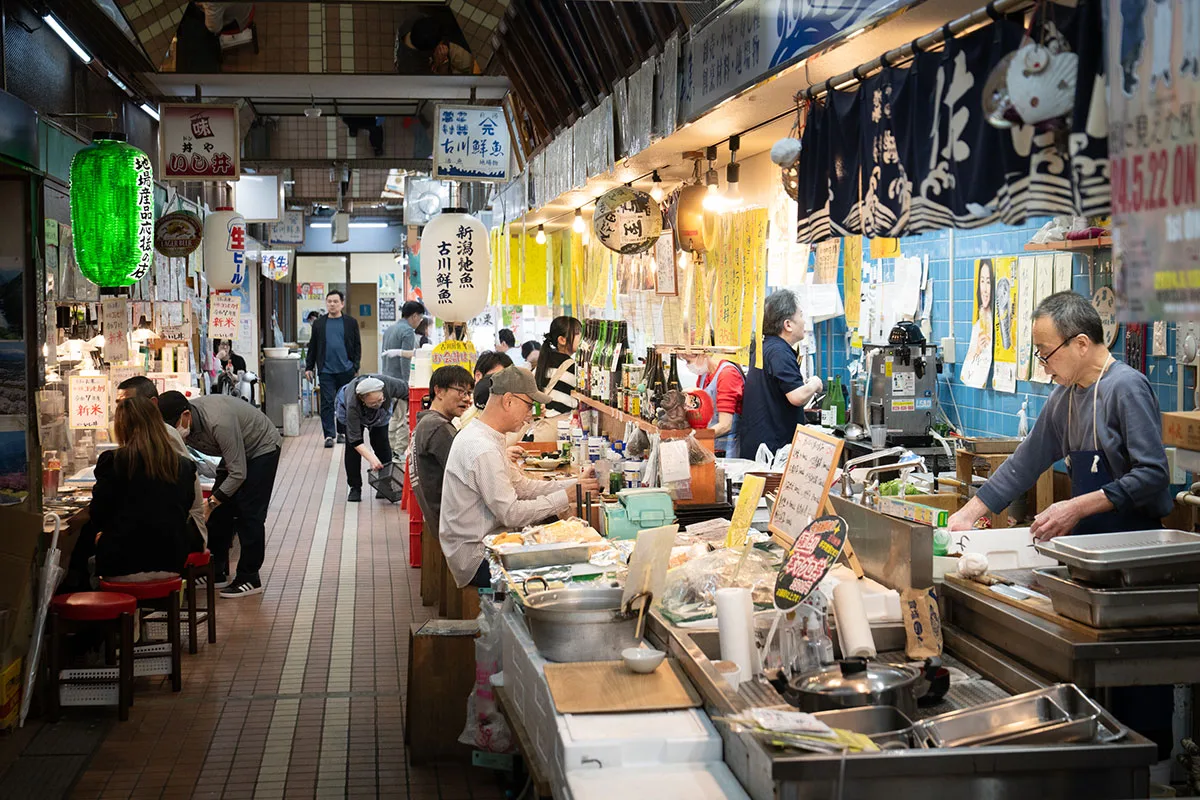
Niigata Prefecture boasts a coastline stretching 635 km, and waters home to more than 600 species of fish and shellfish. Against this rich maritime backdrop, a distinctive sushi culture has flourished here. Outstandingly fresh sushi—Japanese amberjack, rosy seabass, snow crab, and sweet shrimp—paired with high-quality rice creates plates that represent the pinnacle of culinary refinement. Markets brimming with seasonal catches are another way to experience Niigata, a treasure trove of seafood.
For a lively local atmosphere, check out the Oumi Shopping Center in Niigata City’s Furumachi area. Affectionately known as “Niigata’s kitchen,” it’s a place where you can sample fresh seafood on the spot. In Teradomari Fish Market Street in Nagaoka City, you can stroll through the vibrant marketplace with its famous hamayaki (freshly grilled) seafood in hand, soaking up the energetic atmosphere.
Sado Island Gold Mines—An Island of Gold Born of Undersea Volcanoes
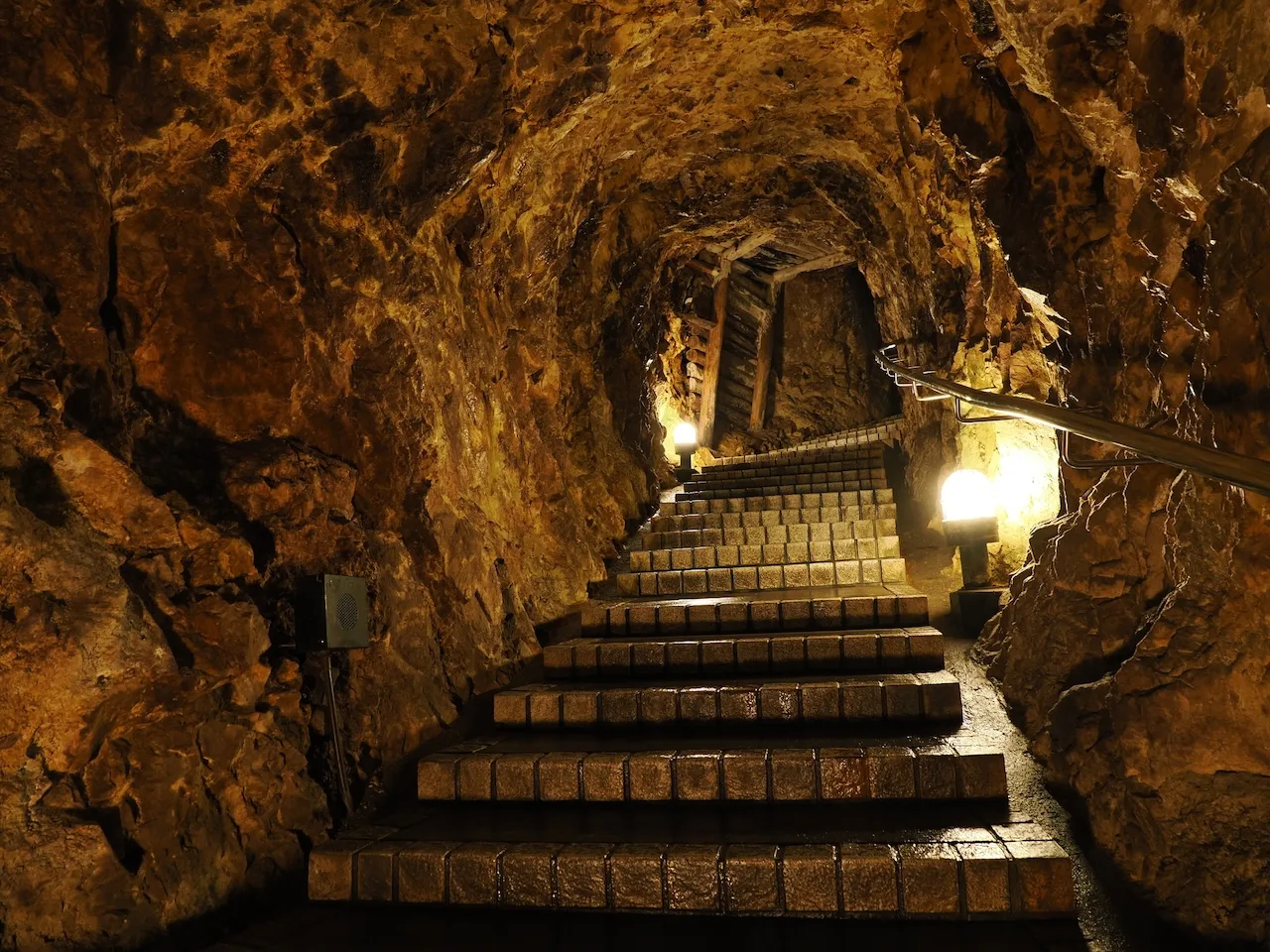
Designated as a UNESCO World Heritage site in 2024, the Sado Island Gold Mines trace their origins back some 20 million years to undersea volcanic activity. Gold veins formed by tectonic shifts were mined with advanced techniques during the Edo period (1603-1868), and the site prospered as one of Japan’s largest gold mines.
At the Historic Sado Gold Mine, part of the mine is open to the public, allowing you to walk through the original excavation tunnels. On guided tours, you can don a helmet and boots and explore the shafts by flashlight, enjoying the thrill of discovery. The exhibition facilities also feature a hands-on corner where you can hold a genuine solid gold bar—its surprising weight is sure to leave a lasting impression.
Sado’s Traditional Performing Arts—A Crossroads of Culture
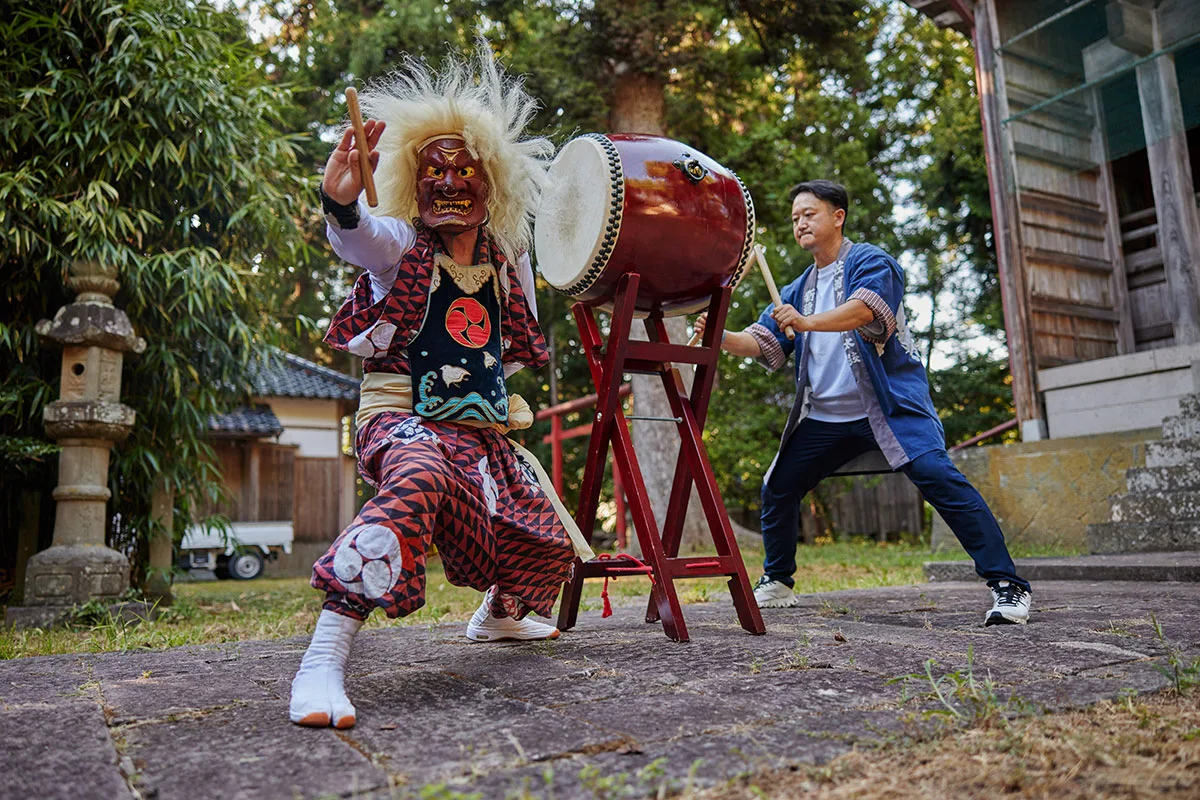
Sado Island is a place where rich and distinctive performing arts continue to thrive today.
Among them, the island’s most iconic tradition is Ondeko, a drum performance said to have originated with gold miners who donned demon masks to ward off evil. Its powerful movements evoke the act of digging ore from the earth, and today more than 100 groups perform these spirited dances during local festivals.
Noh theater, too, is deeply rooted here. Long cherished by the people as an offering to the gods, open-air Takigi Noh (performances lit by bonfires) are still actively staged. Many existing Noh stages have been carefully preserved by local communities and are lovingly passed down to future generations.
Seisui-ji—A Temple in the Forest Where Island History Lives
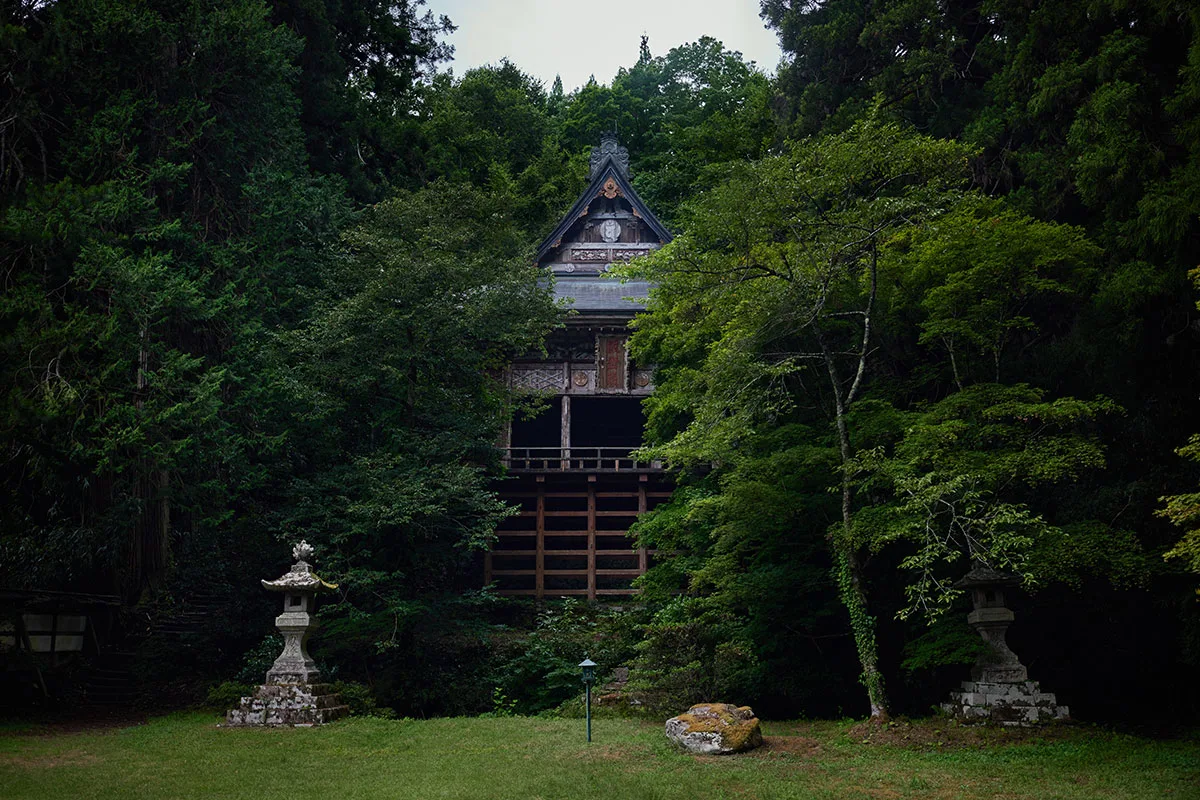
Sado was once a place of exile where aristocrats, cultural figures, and high-ranking monks were banished. The knowledge and culture they brought with them contributed greatly to the island’s development. Founded in 808, Seisui-ji stands as a symbol of this legacy. Its Guzeden Hall, modeled after Kyoto’s famed Kiyomizu-dera Temple enshrines the same Thousand-Armed Kannon Bosatsu, reflecting to this day the longing for Kyoto’s culture felt by people of that era.
On the grounds, rows of centuries-old cedar trees create an atmosphere of solemn grandeur and tranquility befitting the temple. Also known as one of the sacred sites on the Sado Seven Lucky Gods Ancient Temple Pilgrimage, the temple enshrines Enmeizenzaijurosonten, the god of longevity. In this serene space where history and faith endure, you can enjoy a quiet, restorative moment.
Tub Boat Cruises and Shukunegi—A Town Alive with the Art of Shipbuilding
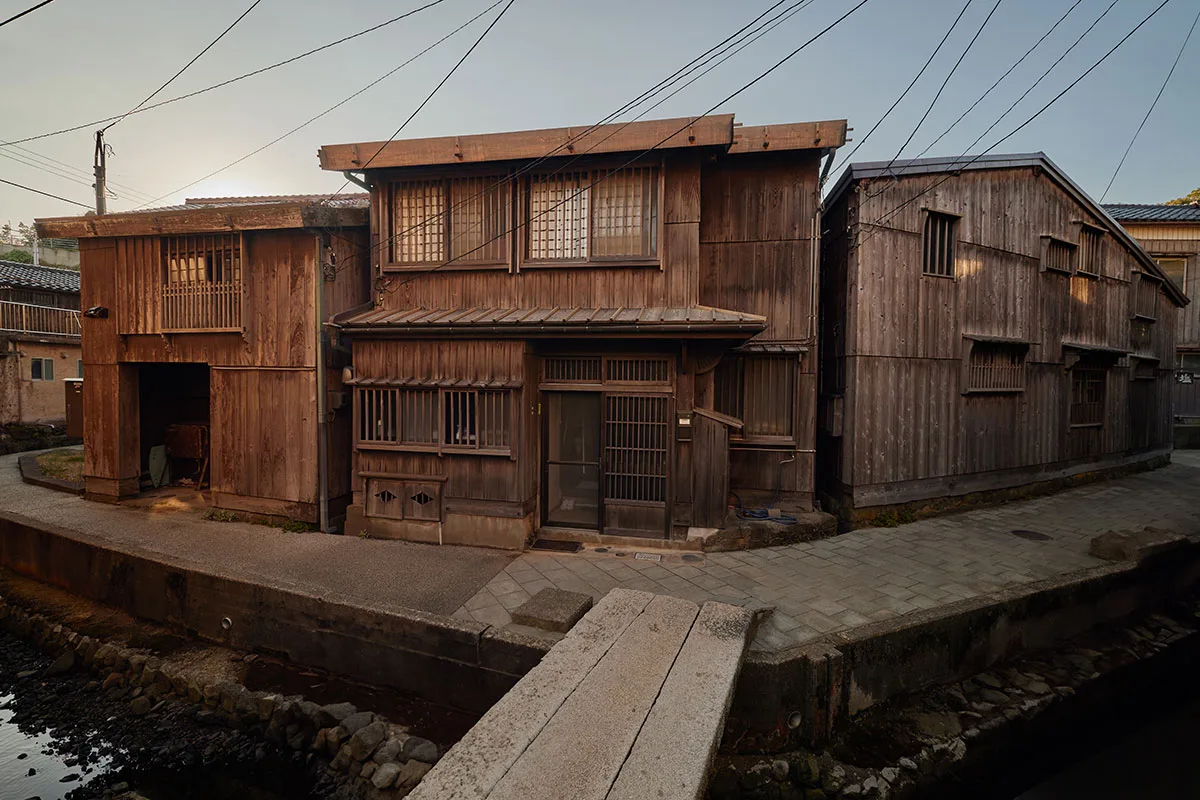
The historic port town of Shukunegi dates back to the Edo period (1603-1868). In the past, nearly every resident was involved in maritime work, and wooden houses built by shipbuilders still stand closely packed along narrow lanes. Walls made from repurposed boat planks and architectural details designed to withstand sea winds reveal the ingenuity of skilled artisans. Simply walking through the town evokes the vitality of its seafaring past.
One of the highlights here is a cruise through the world at sea level aboard a hangiri (tub boat), handcrafted one by one using only Sado cedar and bamboo. Glide leisurely past otherworldly rocky shores, with scenery that’ll make you feel like you’ve traveled back in time to the Edo period. This eco-friendly, unhurried experience offers a uniquely memorable way to discover Shukunegi.