Tucked within Niigata’s mountainous interior, life in snow country has been shaped for centuries by heavy snowfall, fertile land, and a rhythm attuned to the seasons. This journey through Uonuma and Tokamachi introduces a way of life where food, craft, and belief are inseparable from the landscape. From snow-cooled sake cellars and local vegetable cuisine to ancient temples, kimono workshops, and winter festivals, these experiences offer an intimate look at how people have not only endured the snow, but embraced and found joy in it.
Day 1
Day 2
START
Echigo-Yuzawa Station
(Rent a car near Echigo-Yuzawa Station on the Joetsu Shinkansen line)
About a 35-minute drive from Echigo-Yuzawa Station.
1
Uonuma no Sato
Unwind and Enjoy the Best of Niigata’s Snow Country Culture
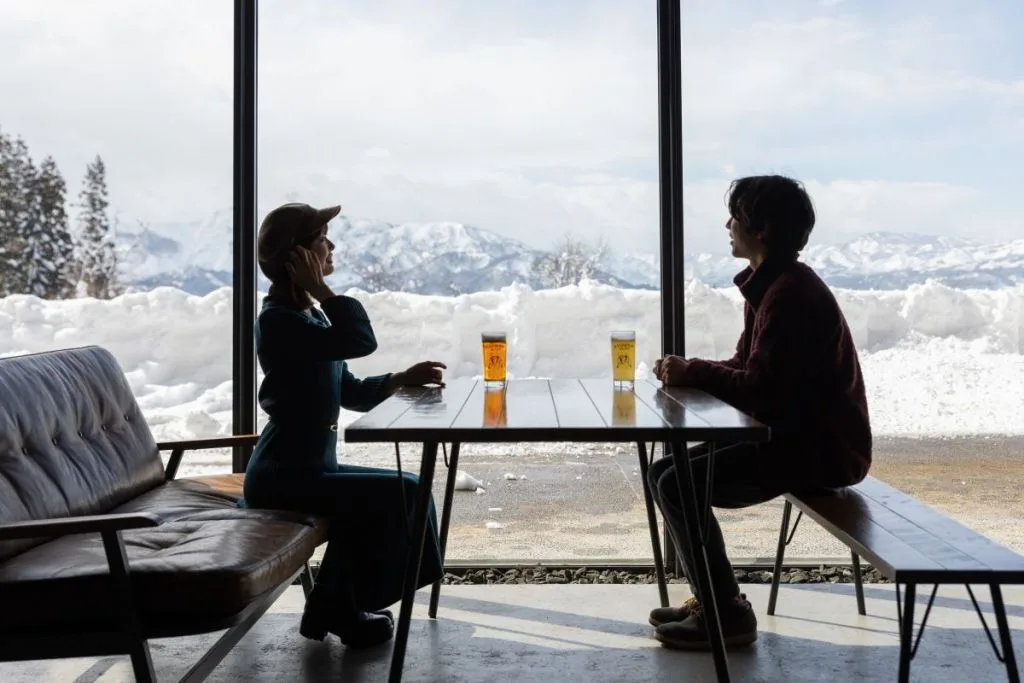
Spread across quiet countryside at the foot of Mt. Hakkai, Uonuma no Sato is the perfect introduction to Niigata’s snow country traditions and relaxed way of life. Centered around the brewery of renowned sake producer Hakkaisan, the park brings together a stellar connection of restaurants, cafes, shops, and a craft beer brewery, showcasing the breadth of Niigata’s fermentation culture. Dining highlights include noodles at Soba-ya Nagamori and the confectionery Satoya, where local ingredients become delicious treats.
But the most unique sight here is the Hakkaisan Yukimuro Snow Cellar. On a guided tour, you can enter this naturally snow-cooled storage facility and discover the ingenuity behind snow country life. More than 1,000 tons of snow are brought in annually, keeping the interior at around 4°C throughout the year, ideal for storing sake and food. You can also enjoy sake tastings and browse a selection of sake cups and original souvenirs; a great way to kick off your foray into snow country culture.
Address
新潟県南魚沼市長森459
Telephone Number
025-775-7707
Opening Times
10:00 am - 5:00 pm
(changes depending on facility)
Hands-on snow country cooking with hearty winter flavors
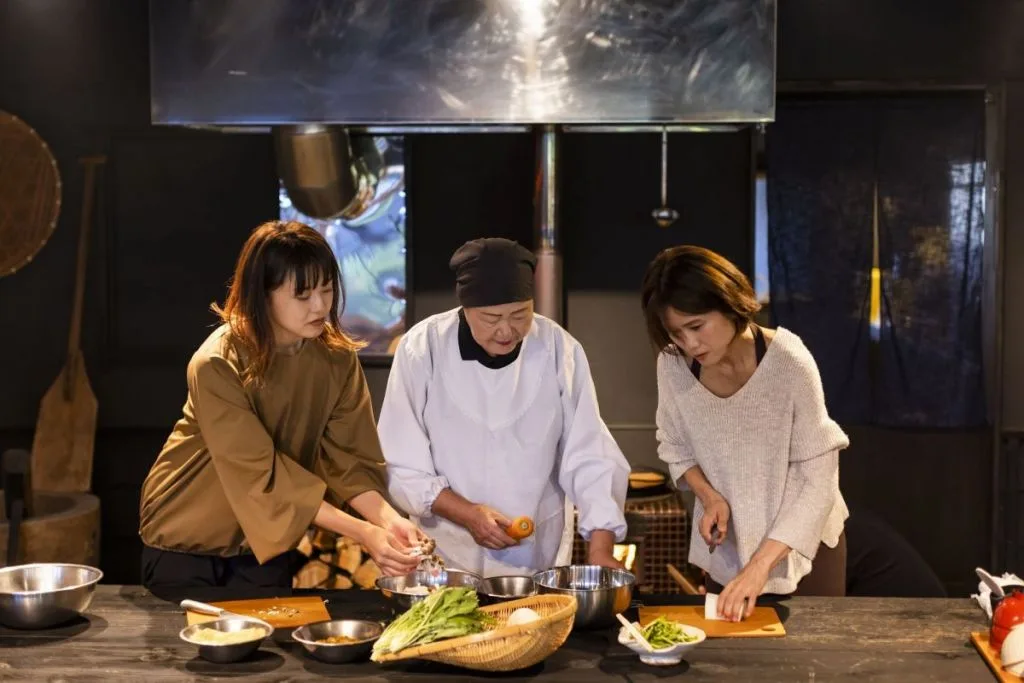
Ryugon is one of rural Niigata’s standout accommodations, offering luxurious stays, soothing hot springs, and exceptional cuisine rooted in regional food culture. This beautifully preserved traditional estate also hosts guided experiences that provide insight into life in snow country. For lunch, we recommend Ryugon’s Doma Cooking Class, held in a historic earthen-floored kitchen. The class introduces snow country home cooking through time-honored recipes and techniques, led by a warm and welcoming grandmother known for her culinary knowledge and storytelling.
Using an antique kamado wood-fired stove, this experience takes you back to a time before modern conveniences, grounding you in the region’s culinary heritage. You'll light the fire to steam locally grown Niigata koshihikari rice, then move on to preparing snow country vegetables prized for their gentle sweetness, while learning about traditional preservation methods such as salting or sake-curing mountain vegetables. In the colder months, attention turns to a comforting nabe hotpot, enjoyed beside the warmth of the fire as snow falls quietly outside.
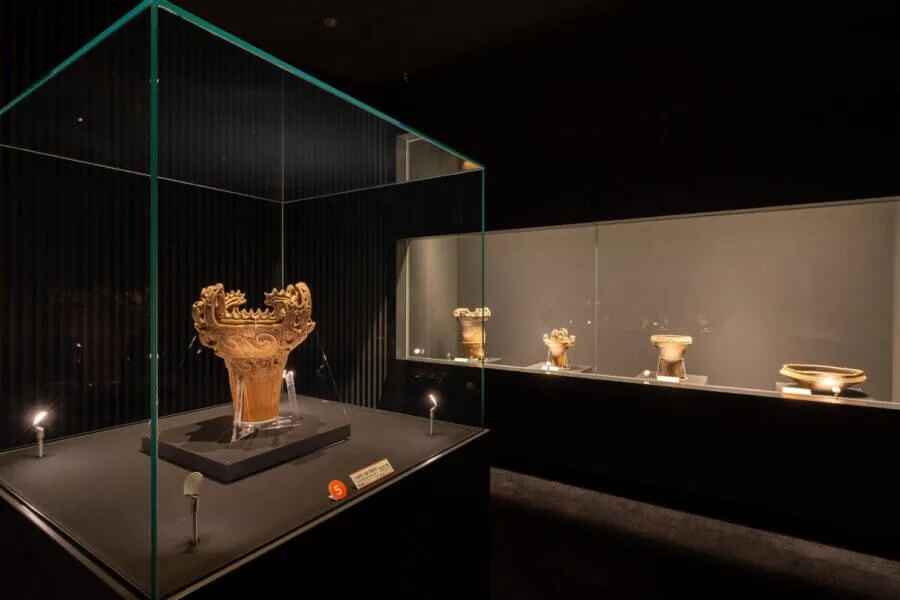
This museum offers an in-depth look into Tokamachi City's diverse and abundant nature, alongside its rich history and vibrant culture. Highlights at the permanent exhibition hall include:
""Jomon Period and the Land of Flame-Style Earthenware"": Delve into the Jomon period's pottery culture, featuring 57 deep-bowl-shaped earthenware vessels designated as National Treasures, excavated from the Sasayama Site in Niigata Prefecture. This includes the renowned Flame-Style (Kaengata) and Crown-Type (Okangata) earthenware that exemplify this ancient era.
""History of Textiles"": Discover Tokamachi City's enduring textile culture, which has evolved through various technological innovations from the Yayoi period to the present day.
""Snow and the Shinano River"": Learn about the profound relationship between daily life in Tokamachi and its natural environment, particularly its deep snow and the mighty Shinano River.
In addition to these permanent displays, you can also check out special temporary exhibitions.
Address
新潟県十日町市西本町一丁目448-9
Telephone Number
025-757-5531
Opening Times
9:00 am - 5:00 pm (last entry at 4:30 pm)
Elevated cuisine and mountain-view onsen at a timeless retreat
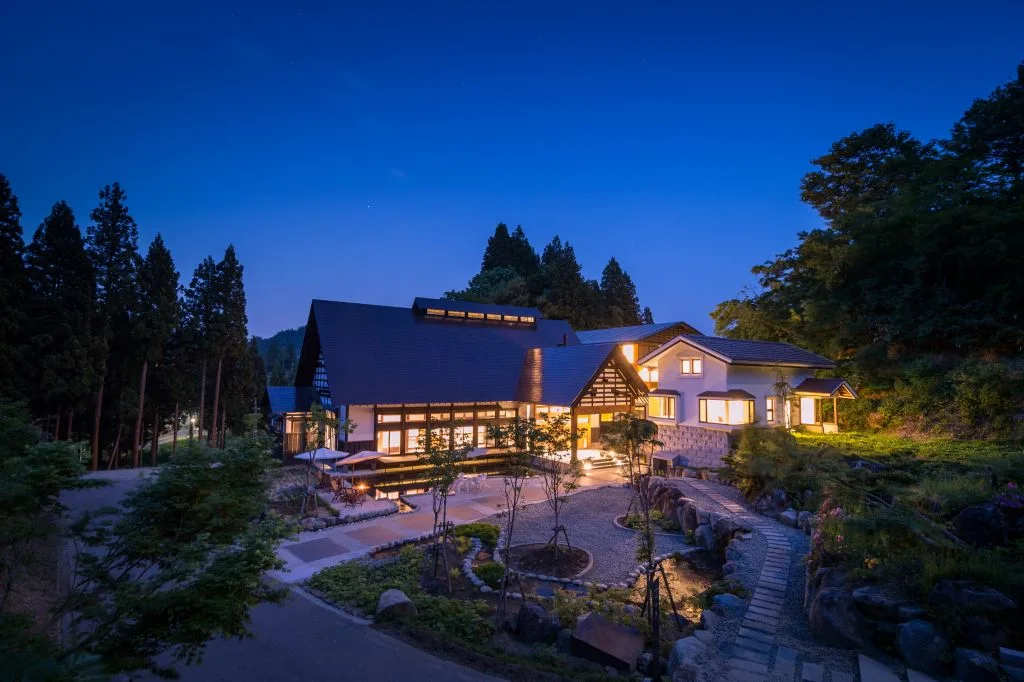
For accommodation deep in the heart of Niigata’s snow country, surrounded by the peaks of Echigo, few places are more fitting than Satoyama Jujo. The property reflects meticulous care, where designer furniture and contemporary art bring subtle contrast to robust wooden beams and restrained traditional architecture. Remarkably, the structure has withstood 150 years of heavy snowfall without a single nail.
A stay here deepens your immersion in Niigata’s gastronomic heritage. The cuisine is vegetable-forward, with meat used sparingly to highlight the region’s landscape and long-standing traditions of fermentation and preservation. The Michelin-starred restaurant SANABURI features unique regional vegetables, wild mountain greens, locally grown rice, select meats, and seafood from the Sea of Japan, all seasoned with additive-free, naturally brewed condiments and served on antique Japanese pottery.
The spacious guest rooms evoke the comfort of a private home. Many feature private outdoor onsen filled with natural hot spring water, while a shared bath frames the surrounding peaks. Soaking here, breathing in the crisp mountain air as warmth flows through you, is the ultimate way to take in the beauty of Niigata’s snow country.
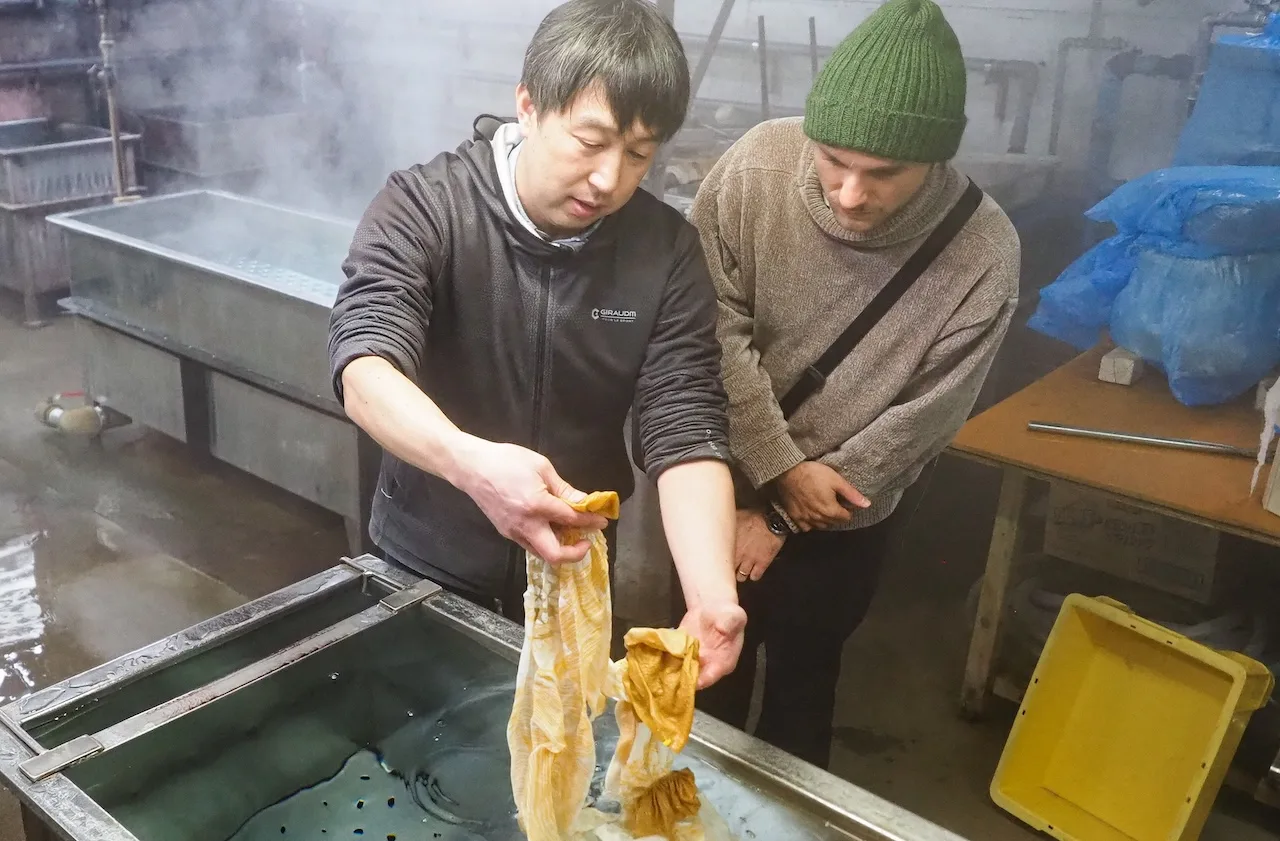
Founded in 1938 in Tokamachi, where textile weaving has flourished for around 1,500 years, Aoyagi is one of Niigata's premier kimono makers. The company handles the entire process in-house, from design and stencil creation to dyeing and stitching, all carried out by master artisans.
Visitors can join a guided tour of the vast, maze-like Aoyagi Akashi Factory, gaining a close-up look at the remarkably precise techniques involved and a new appreciation for the many steps required to produce a single kimono. Highlights include Aoyagi’s wide range of dyeing methods, such as shibori-zome knot dyeing, oke-zome barrel dyeing, and painstakingly hand-painted yuzen. Throughout the workshop, metres of fabric hang across entire rooms for hiki-zome brush dyeing, alongside hundreds of handmade stencils that are works of art in themselves.
After the tour, you can try shibori dyeing under the guidance of a master artisan, creating a handkerchief to take home. Afterwards, visit Aoyagi’s flagship store, just 10 minutes away by car, to see a superb selection of completed kimono.
For tours with an English-speaking guide, contact Edge of Niigata via their Contact Us page and write “Aoyagi Tour & English Guide Inquiry” in the subject line.
https://edge-of-niigata.com/contact/
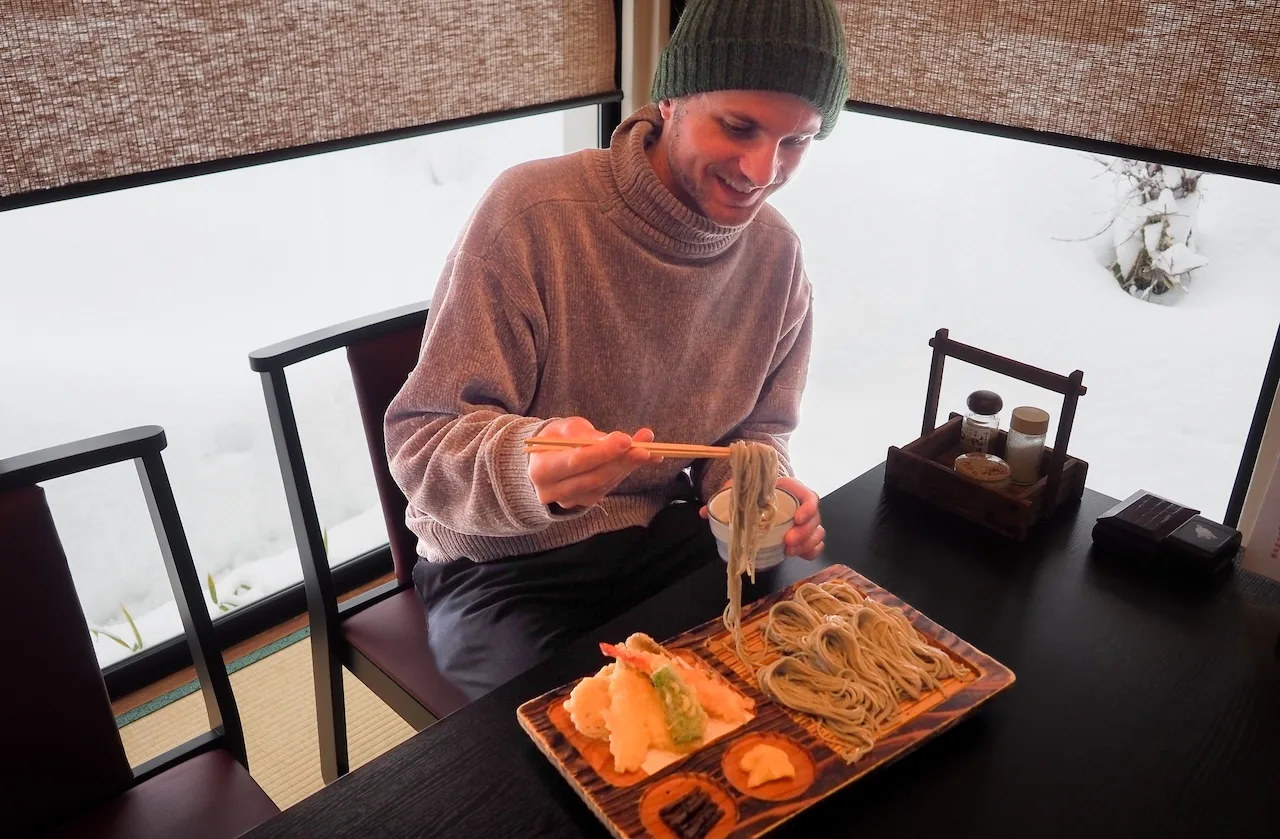
Hegisoba is one of Niigata’s most iconic dishes and a must-try when exploring snow country, where it originated. This local style of soba noodles is served in neat bundles on a wooden tray called a hegi, making it both visually striking and easy to eat. The noodles have a subtle green hue from funori, a seaweed traditionally used in the region’s textile industry. In soba-making, funori acts as a binding agent, giving the noodles their smooth, springy texture. Hegisoba is served cold with a dipping sauce of tsuyu mixed with green onions and a touch of spicy karashi mustard.
To experience hegisoba at its best, visit Echigo Tokamachi KOJIMAYA’s Nagomi-tei. Set in a relocated old folk house with large wooden beams and a garden, the restaurant boasts a refined yet relaxed atmosphere. Founded in 1955, the chain is widely regarded as one of Niigata’s top hegisoba specialists.
Alongside the classic noodles, the menu features other Niigata dishes, including tempura set meals and tarekatsu. Ingredients are carefully sourced, from domestic stone-milled buckwheat to soy sauce from Settaya in Nagaoka, another renowned brewing town of Niigata.
Address
新潟県十日町市下島寅乙407-1(越後十日町 小嶋屋 和亭)
Telephone Number
025-757-1513
Opening Times
11:00 am - 8:00 pm (last order 7:30 pm)
An ancient temple with more than 1,000 years of history
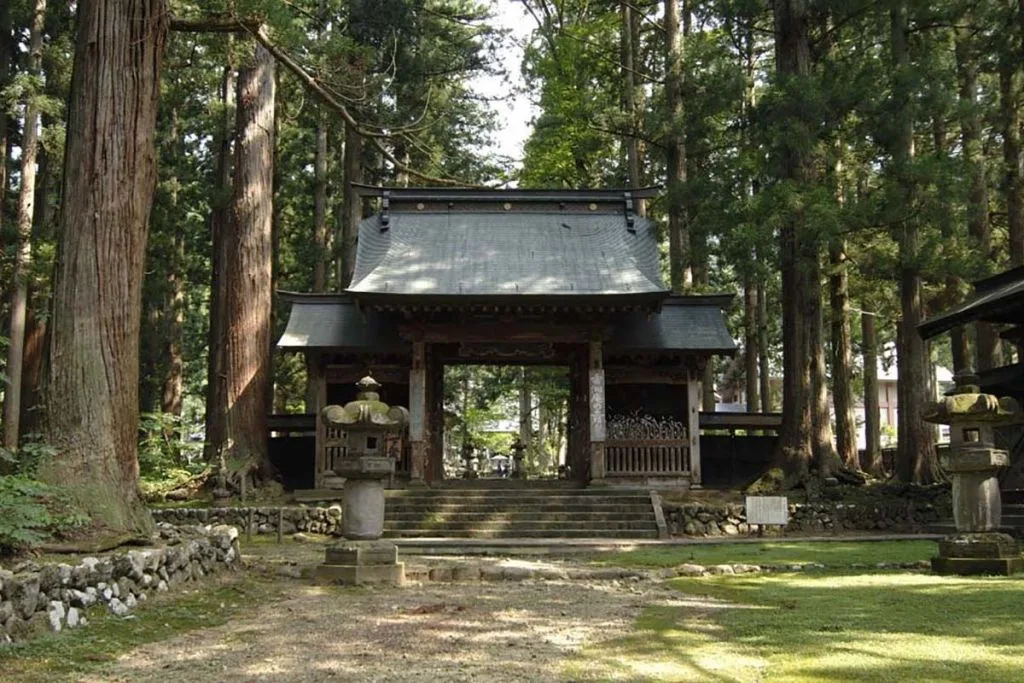
Nestled in thick woodland at the base of Mt. Kinjozan, Untoan is a Soto sect Buddhist temple with a history spanning around 1,300 years. The current structure was rebuilt in 1707 by carpenters from Izumozaki on the Niigata coast, and is regarded as one of Japan’s most impressive examples of early modern temple architecture.
From the Akamon Gate, beneath each stone of the cobbled approach to the Main Hall lies a single character of the Lotus Sutra, and walking the path in prayer is believed to remove bad karma and bring blessings. Visitors can explore the tranquil grounds, stroll through the gardens, and take part in Zen meditation sessions that encourage reflection and harmony with the surrounding nature.
The grounds also feature several other notable structures, including the the Kannon Hall housing 100 statues of the Goddess of Mercy, and a striking modern stupa enshrining a Buddha statue carved from ancient Japanese cypress.
Address
新潟県南魚沼市雲洞660
Telephone Number
025-782-0520
Opening Times
9:30 am - 3:30 pm (reception closes at 4:00 pm)
Masterful carvings and painted ceilings by Japan’s Michelangelo
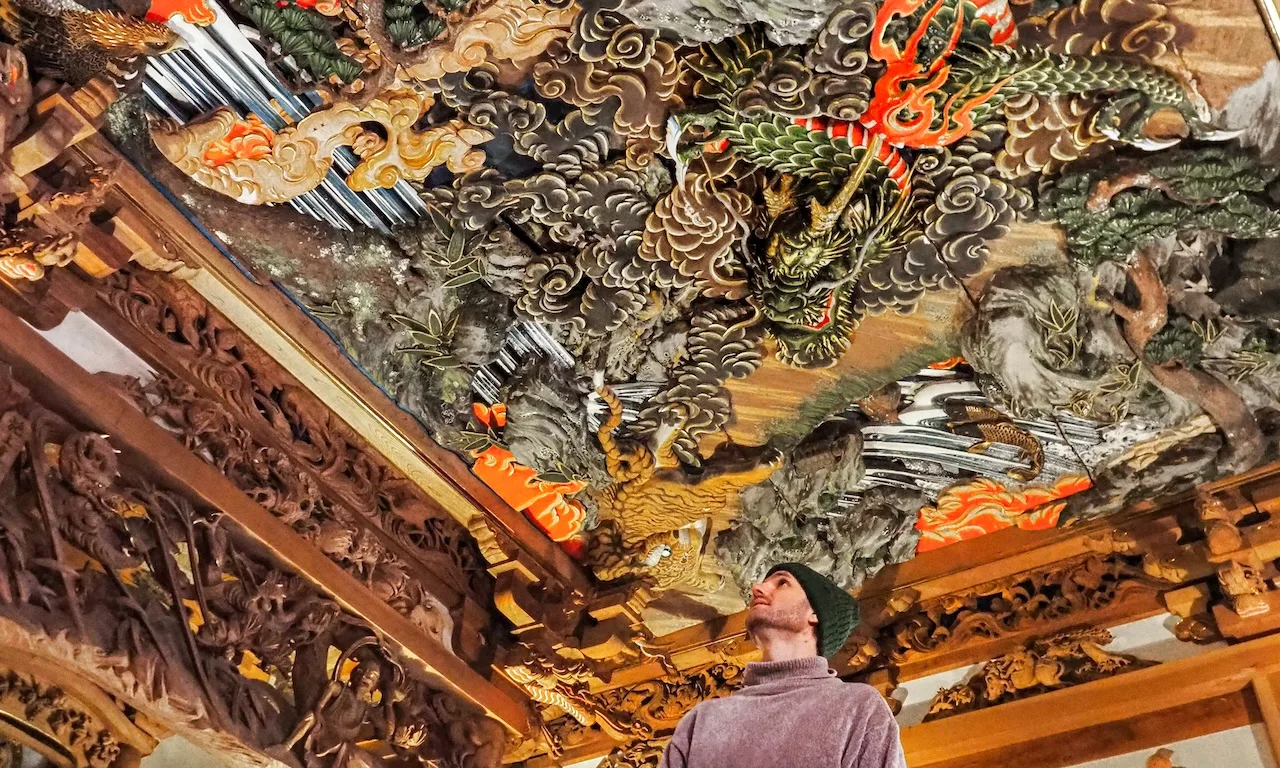
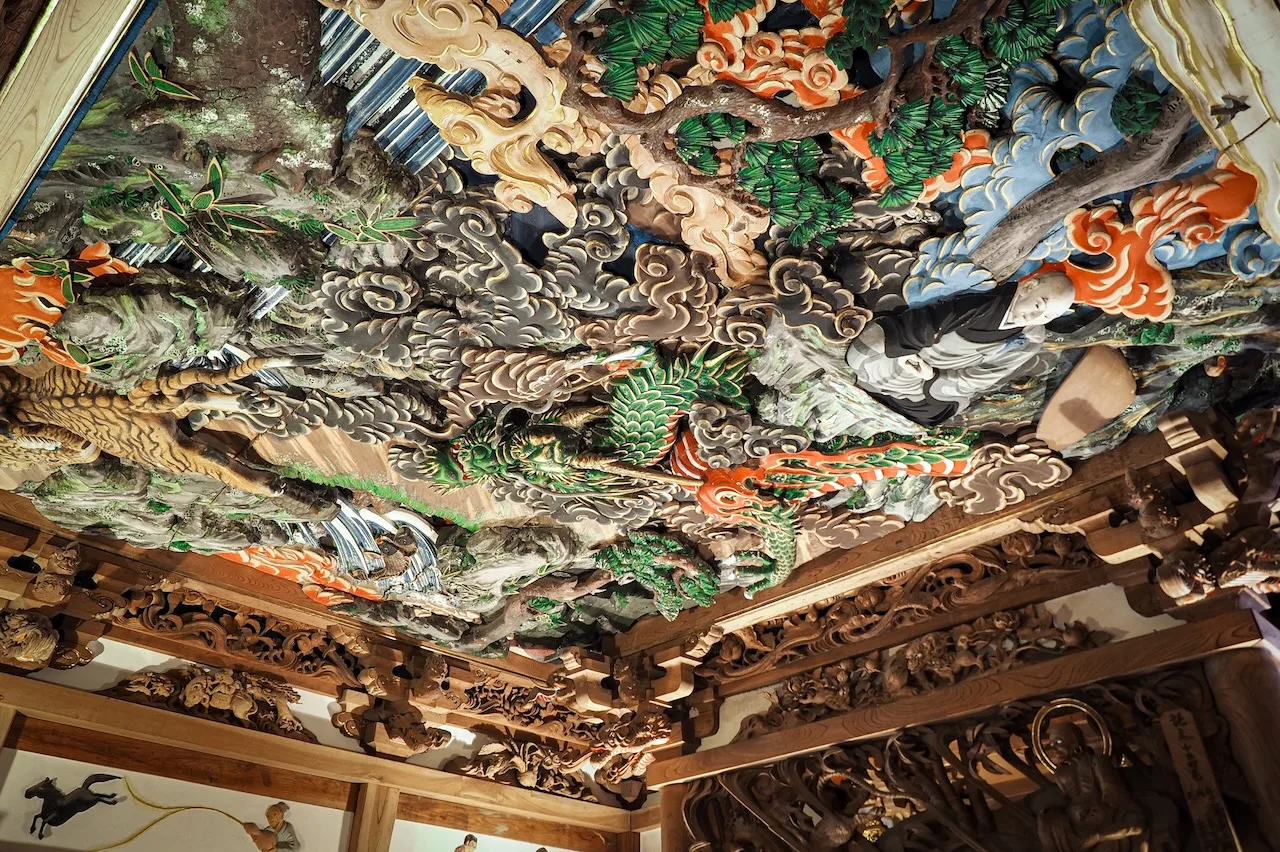
Sat amongst the forested foothills of Uonuma, Saifukuji is another of Niigata’s most impressive temples. Its main highlight is the Kaizando Hall, built over five and a half years from 1852 to 1857. The hall is renowned for its extraordinary painted wooden carvings covering the ceiling, all created by Ishikawa Uncho, often referred to as Japan’s Michelangelo.
The colorful three-dimensional wooden mural depicts Zen master Dogen’s legendary encounter with a tiger and a dragon in ancient China. Rendered in remarkable detail, Uncho’s work captures flowing water, soft clouds, sharp pine needles, and the rugged texture of the dragon’s scales, all expressed through wood and paint alone. Studied from below, the scene reveals hidden animals, including birds playfully woven into the composition.
The walls are likewise delicately carved with deep reliefs in unpainted wood, some fitted with glass eyes for added character. Beautiful plaster reliefs and paintings further demonstrate Uncho’s skill.
After viewing the Kaizando Hall, stop by the Main Hall, rebuilt in 1802, to see sliding doors painted by Uncho and floorboards subtly inlaid with carved wooden motifs. Before leaving, wander the grounds outside to admire the thatched roof, bell tower, and seasonal gardens.
Photography and videography are prohibited inside the buildings. Visitors are asked to remain quiet, refrain from touching artworks, and not lie on the floor to view the ceiling.
Address
新潟県魚沼市大浦174
Telephone Number
025-792-3032
Opening Times
April - November: 9:00 am - 4:00 pm (reception closes at 3:30 pm)
December - March (winter season): 10:00 am - 3:30 pm (reception closes at 3:00 pm)
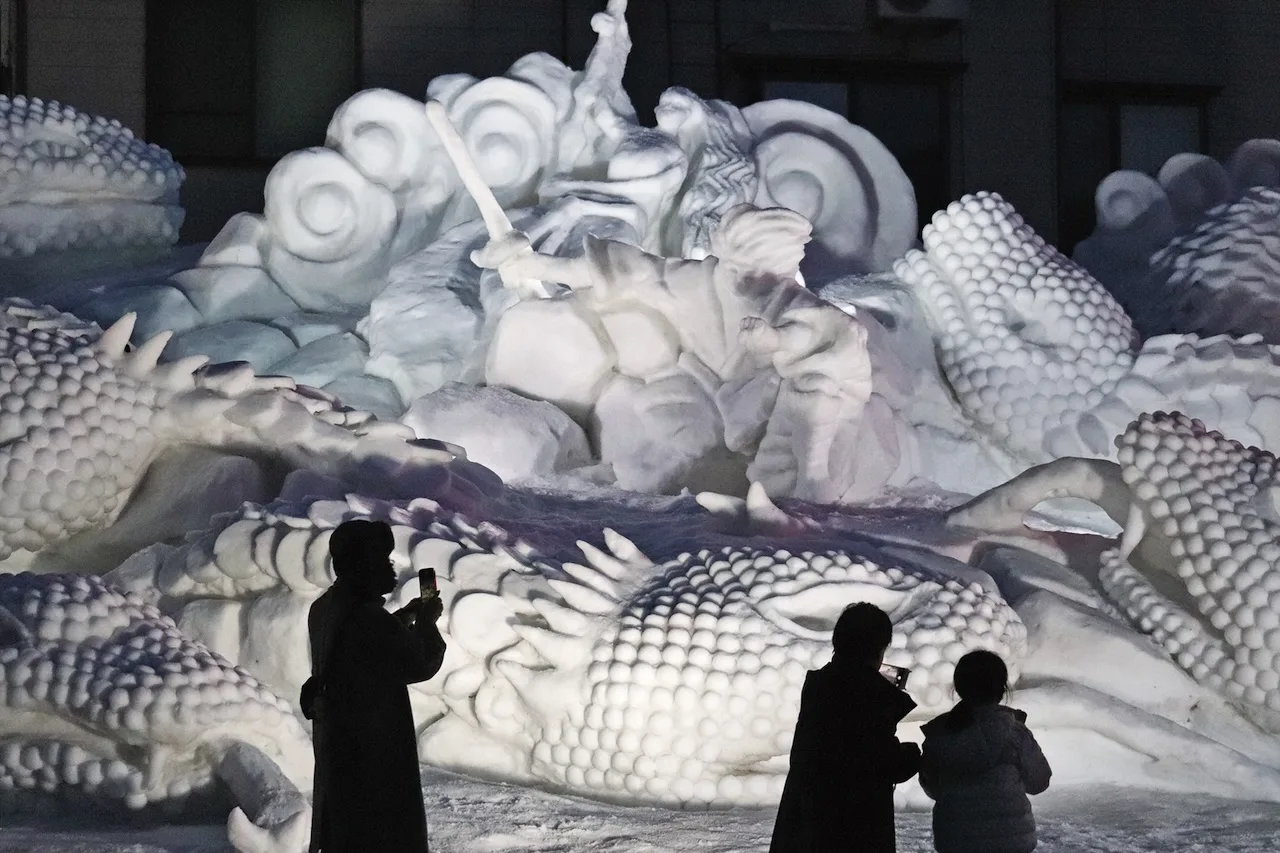
Held over two days in mid-February across Tokamachi, the Tokamachi Snow Festival was born from a local belief in “befriending the snow and enjoying it.” As Japan’s first snow festival organized by residents themselves, Tokamachi has earned nationwide recognition as the birthplace of the modern snow festival in Japan.
One of the festival’s highlights is the Snow Art Exhibition, where visitors can admire beautifully crafted snow sculptures. The program also includes fun snow play, snow country cultural experiences, the stunning Rainbow Snow Fireworks, and lively festival plazas set up at multiple locations. The meticulous skills cultivated in Tokamachi as a historic textile town are evident in the fine details of the sculptures. The combination of artistic beauty and impressive scale is sure to leave a lasting impression.
Rather than being concentrated in a single venue, events are spread throughout the city, adding to the fun and making it enjoyable for all ages. Three main hubs around Tokamachi Station, Echigo-Mizusawa Station, and Gejo Station are all within easy walking distance of public transport, making it a breeze to drop by as part of your wider Niigata trip.
Address
新潟県十日町市
Telephone Number
025-757-3100 (Tokamachi Snow Festival Executive Committee)
Opening Times
Changes depending on the day, so please check the official website for details.