Discover Shukunegi’s illustrious legacy as a trading port and explore the historic Sado Island Gold Mine World Heritage site as you experience up close a story of Niigata that starts with the sea. Imagine the life of a fisherman as you ride in traditional tarai-bune, “tub boats” created to adapt to a seismic change in the landscape, then savor dishes encapsulating the delicious bounty of the sea. Come and experience Sado Island’s unique culture fostered in harmony with the Sea of Japan.
Day 1
Day 2
START
Niigata Station
10 minutes by car from Niigata Station
1
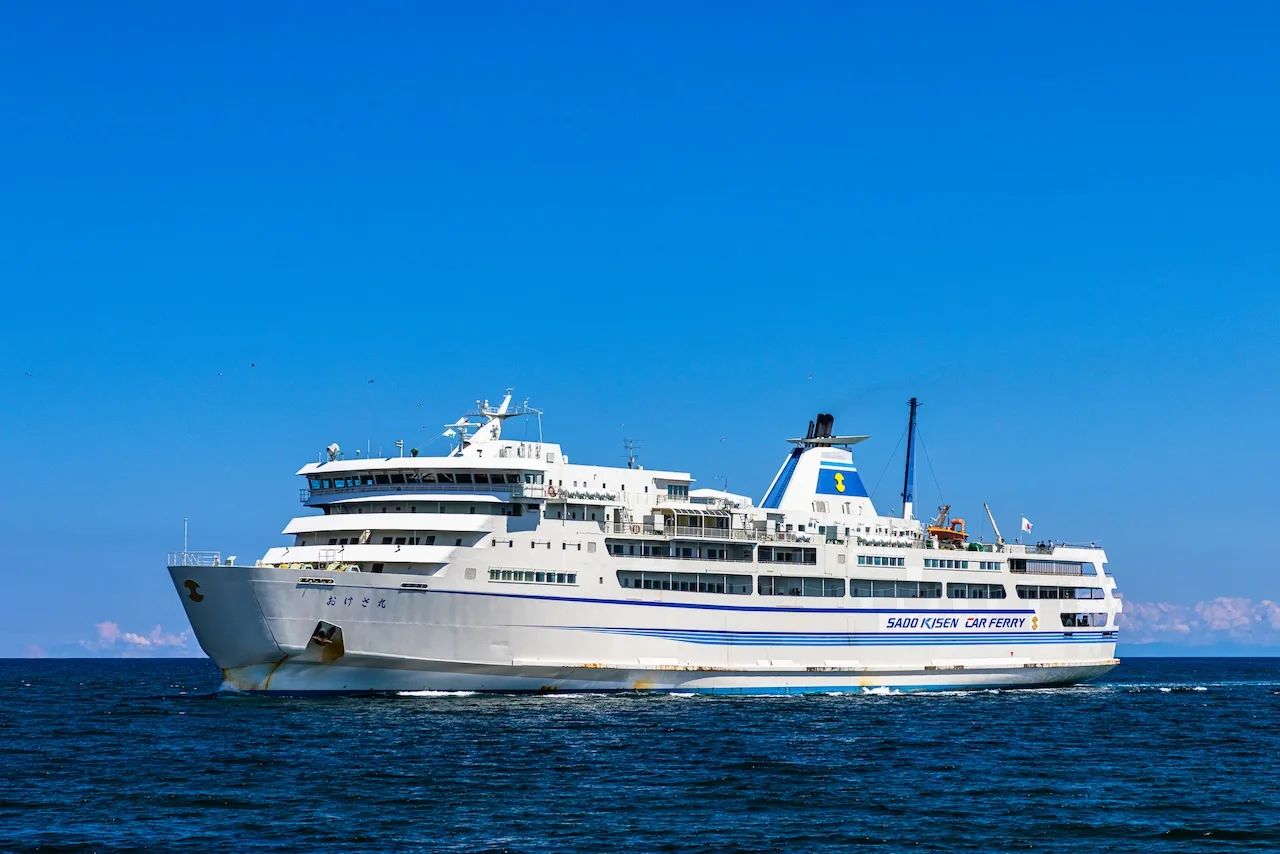
Sado Kisen
This maritime gateway connects Sado Island with the mainland through car ferries and jetfoils embarking across the Sea of Japan.
Sado Kisen has a more than 110-year history and operates regular services between Niigata on the mainland and Sado Island, the largest island off the Sea of Japan coast.
Vessels run across two routes, from Niigata to Ryotsu and between Naoetsu and Ogi. As the main route, the Niigata-Ryotsu line offers two options: a relatively leisurely car ferry and a high-speed jetfoil that arrives in just 67 minutes.
In addition to first- and second-class cabins, the car ferries feature special rooms and suite rooms to make the trip as indulgent as you desire.
On clear days, the view of the sun sinking below the Sea of Japan is a spectacular sight.
Passengers riding without a car can book tickets online from two months to 30 minutes before departure.
(Car from Ryotsu Port)
3 hours from Sado Kisen by ferry and car
2
Soba Mozem
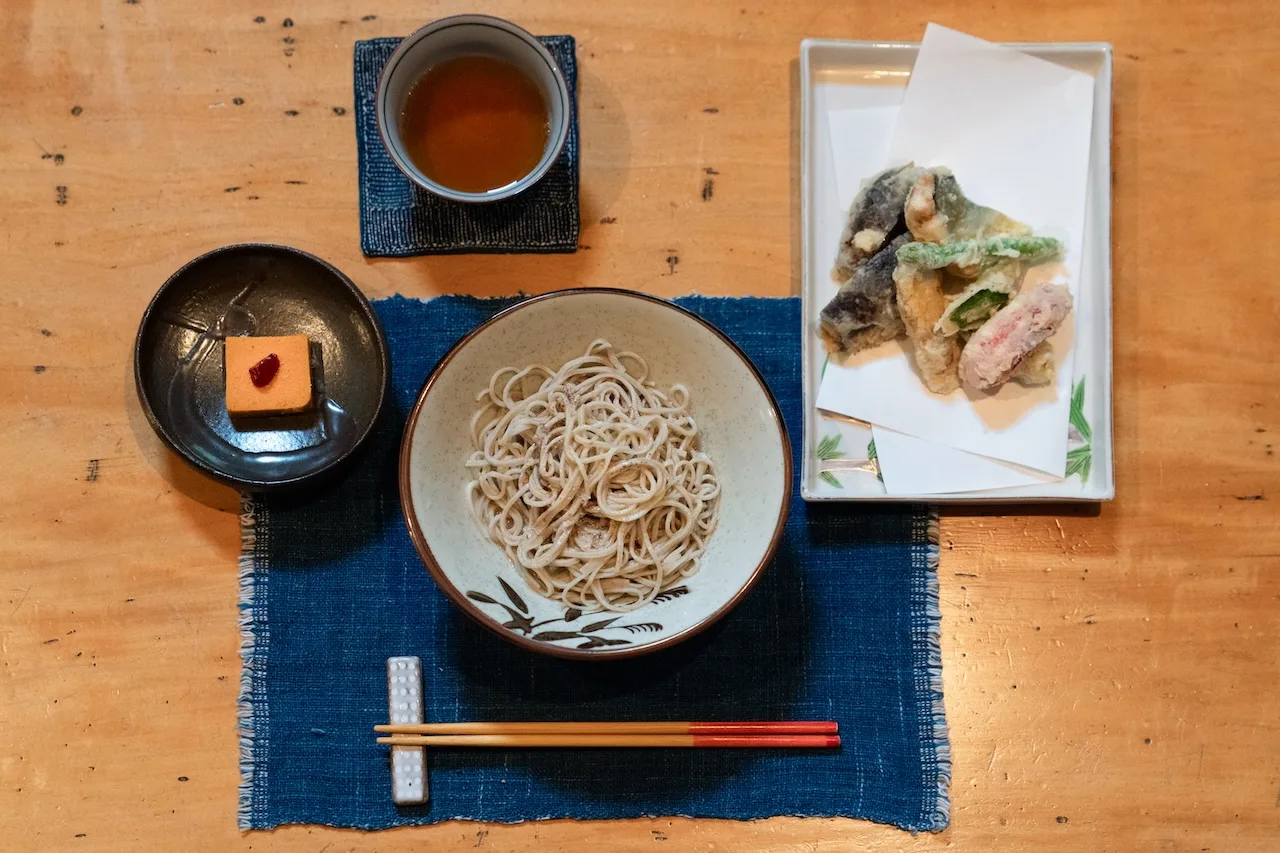
Savor unmatched handmade soba in a traditional house. The local specialty of soba with a flying fish broth alongside delightful seasonal dishes offer a window to Sado Island’s unique culture.
Soba Mozem is located in a renovated traditional Japanese house and serves delicious soba noodles made by the owner himself alongside other dishes made with seasonal ingredients from Sado.
The thin, smooth noodles are made with 100% buckwheat flour without using binding agents, letting the rich flavor within truly shine.
Headlining the menu is the bukkake soba, a traditional Sado dish made with noodles drenched in broth made from flying fish. Another favorite is the mori soba with a bonito-based broth.
The lineup of seafood and other seasonal delights made with locally-sourced ingredients is also not to be missed, with every dish meticulously prepared by hand. A Soba Kaiseki course dining menu is also available.
Note that advance reservations are strictly required and must be placed by noon the previous day.
Address
新潟県佐渡市新穂田野沢163-1
Telephone Number
0259-67-7972
Opening Times
11:30 am - 1:30 pm (last order), 5:00 pm - 9:00 pm (last order)
Closed on Sundays
(If Monday is a public holiday, open on Sunday and closed on Monday)
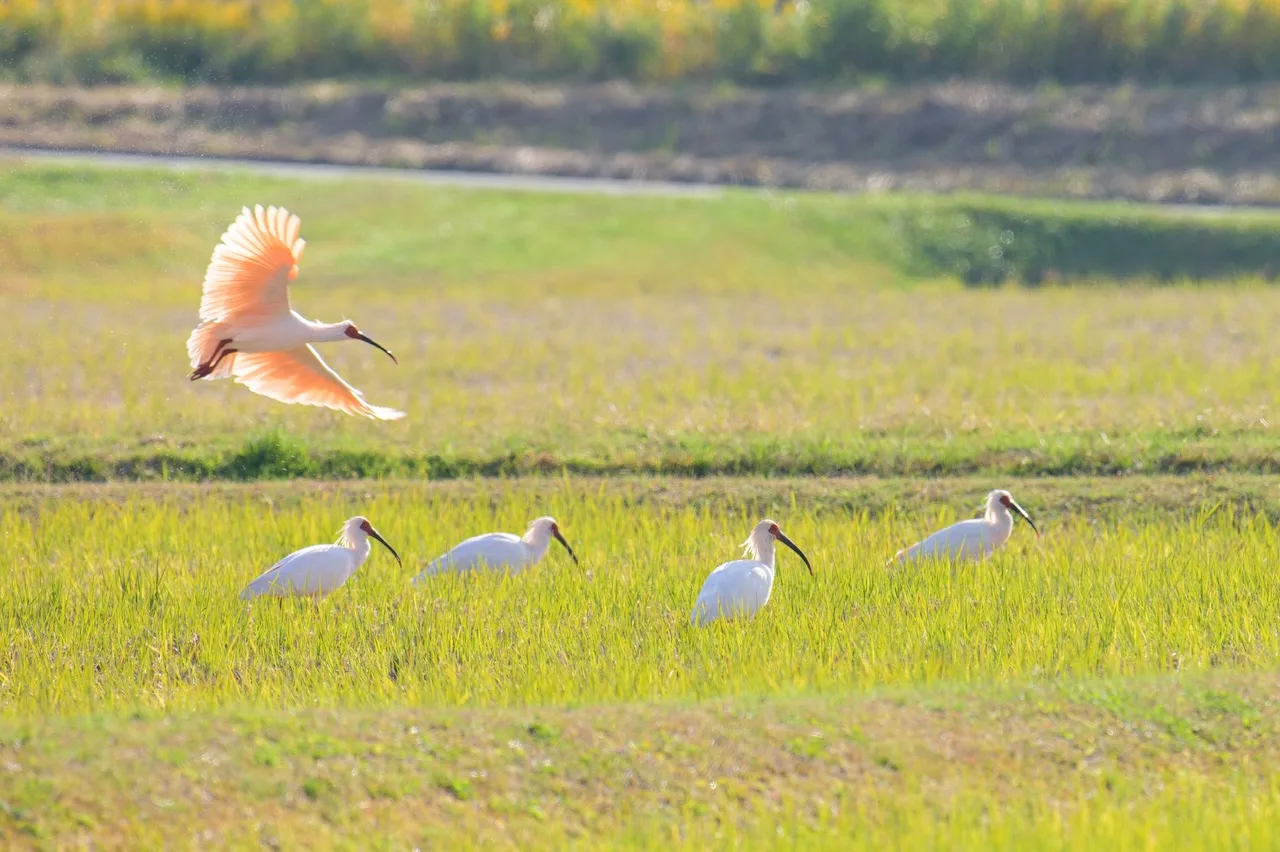
On Sado Island, wild crested ibises, known as toki in Japan, can be seen spreading their crested pale-pink wings wide as they soar through the sky. Witnessing these magnificent birds in the rice fields and satoyama, where nature and agricultural villages blend together, is a truly special experience.
The crested ibis once lived across East Asia. However, hunting and environmental decline saw their numbers fall dramatically. Japan’s wild population vanished in 2003. Wild crested ibises were subsequently rediscovered in China, providing a starting point for joint Japan-China efforts, mainly centered on Sado Island, to breed these birds for release into the wild. As of 2024, about 580 birds were estimated to inhabit the island. Local efforts to live in harmony with the crested ibis are epitomized by widespread agricultural practices to preserve rice field ecosystems as feeding grounds. This includes minimizing pesticide use and continuing to flood the fields in winter.
Early morning and evening are the best times to see the crested ibis. To help ensure that people and these birds continue to live in harmony, remain quiet, keep a respectful distance, and stay on the paths in consideration of the fact that the rice fields are part of working farms.
To get insight on these birds from a local guide, tours including transport by taxi are also available.
Telephone Number
0259-58-7285 (Sado Tourism Association)
Opening Times
Guided Tours
Start times between 5:00 am (early morning routes) and 1:00 pm
Guided tours last 1 hour and 30 minutes for early morning routes and 2 hours for daytime routes.
40 minutes by car from Toki Cultural Exchange Center
4
Sado Gold Mine
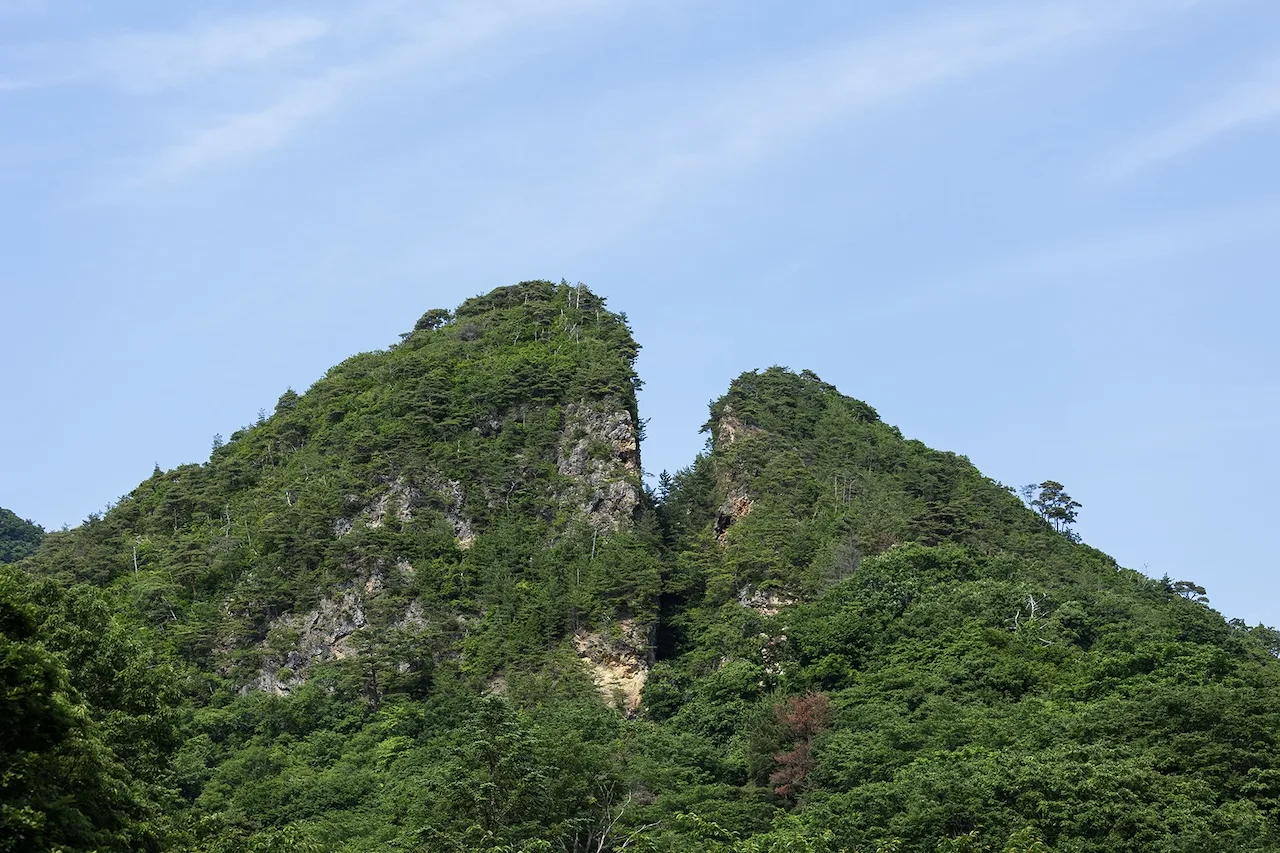
An intersection of geology and human activity for 400 years, the Sado Island Gold Mines are one of Japan’s leading industrial heritage sites and officially became a World Heritage site in 2024.
Opening in 1601 and operating up until 1989, these mines were among the largest gold and silver mining sites in the country. With global recognition of their role in the history of mining technology and mine management spanning from the Edo period to modern times, the Sado Island Gold Mines were officially registered as a UNESCO World Heritage site in 2024.
Sado Island’s gold supplies are rooted in the ancient volcanic activity that formed the geology of the island’s central region, with hot water circulating through the cracks in the rocks. Through this process, gold and silver dissolved into the water precipitated and formed veins of ore. This combination of the Earth’s volcanic activity and hydrothermal processes made Sado into an “island of gold”. Every insight into the area’s mining history brings the experience to life.
The mine shafts and facilities are well preserved today and are open to the public as designated Important Cultural Properties, Historic Sites, and Heritage of Industrial Modernization sites of Japan. Visitors can explore along two routes without a reservation. Guided tours also run from April to November (about 70 minutes, reservations required), enabling you to dig deeper into the technology and history that these sites represent.
Afterwards, head down to the Kitazawa Flotation Plant, which played a vital role in mining operations. Titanic industrial remains covered in greenery come together in a fantastical scene that could have been plucked from an anime, making this area popular for photography. Using cutting-edge mineral processing technology for the time, the plant was a major modernizing force in gold and silver production.
Discover a 400-year story in which ore veins formed by the Earth come together with human ingenuity. The Sado Island Gold Mines World Heritage site is a place where you can truly feel the island’s history.
Address
新潟県新潟県佐渡市下相川1305
Telephone Number
0259-74-2389
Opening Times
April to October: 8:00 am - 5:30 pm
November to March: 8:30 am - 5:00 pm
*Please enter at least 30 minutes before the end of day.
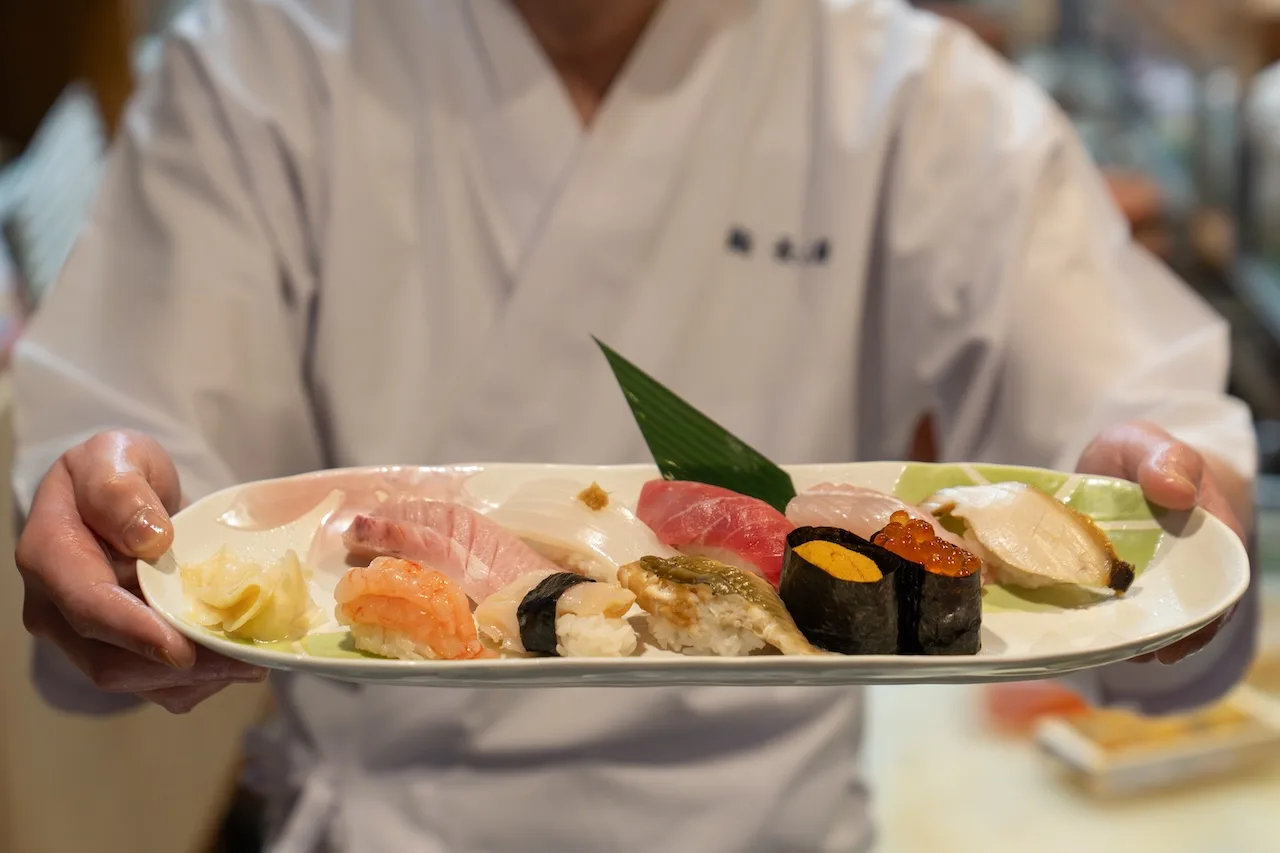
Enjoy exceptional seafood at a sushi restaurant with a 50-year history, renowned for fresh seafood unique to Sado and ramen made to a time-honored recipe.
Way out in the Sea of Japan, Sado Island is surrounded on all sides by vast waters home to abundant marine life that changes with the flow of the seasons. From Japanese amberjack to horse mackerel, turban shell, sweet shrimp, winter yellowtail, and red seabream, each time of year brings different catches to savor. Serving these fresh blessings of Sado’s sea as everyday delights is Sushi Chozaburo on one of the shopping streets in the Niibo district. This renowned restaurant has been beloved by locals for some 50 years, with the owner’s hand-prepared sushi bringing out fresh flavors unique to Sado at a reasonable price. In addition to locally-caught seasonal seafood, visitors can also enjoy premium toppings from elsewhere in Japan, such as tuna from Oma and sea urchin from Aomori.
The plentiful menu also includes set meals and rice bowls. To accompany your sushi, many swear by the ramen, which has a clear flavor born from a generations-old recipe.
With both counter seats and partitioned tatami mat seating, you can enjoy comfort to fit your preference.
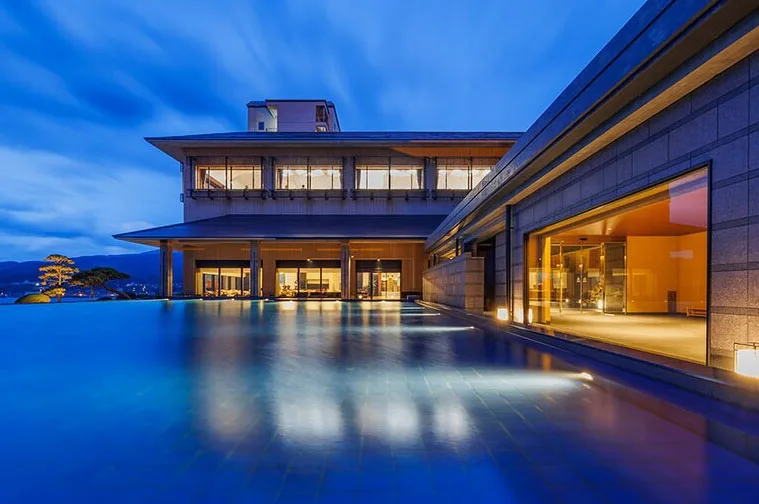
Take in the sea and sunset off Sado's west coast from a hotel with a view
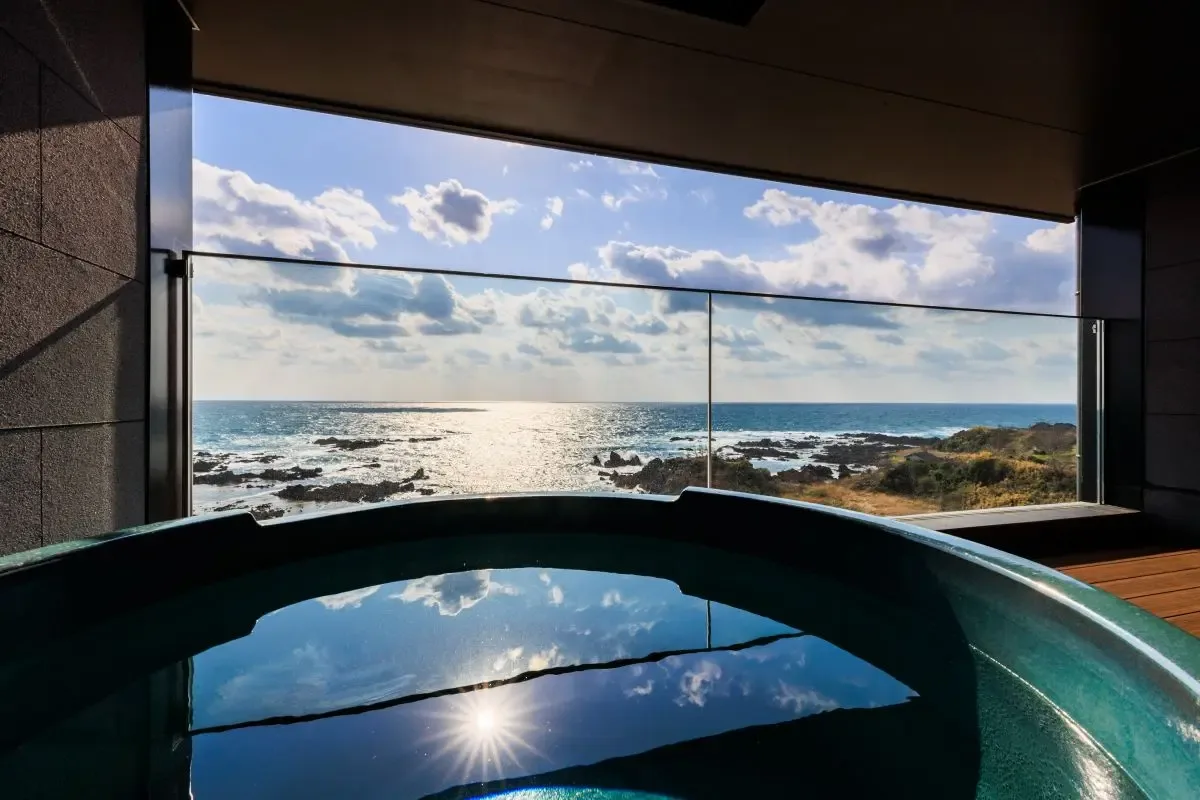
HOTEL OOSADO is a time-honored hotel standing high on Aikawa Kasugazaki on the west coast of Sado Island. The location with panoramic views of the Sea of Japan provides a special place to take in the sunset and enchanting sight of fishing lights out at sea, from your room, the hot spring, or elsewhere in the hotel. Kasugasaki Hot Spring offers directly-sourced hot spring water and is an ideal spot for watching the ever-changing seascape as you take a luxurious soak in the open air bath. Another highlight is the cuisine, which takes strong inspiration from the bounties of the nearby sea. This hotel continues to cherish traditional Japanese elegance while incorporating modern comforts, providing blissful moments away from the everyday.
A spectacular coastal ride in southern Sado, along a landscape forged by ancient volcanoes
Sado Island boasts several relatively leisurely cycling routes ideal for getting up close with the island’s way of life, culture and nature.
Among the shortest and easiest is the Ogi Coast Course, an 18-kilometer ride along dramatic coastline sculpted by ancient volcanic activity that can be completed in about 2.5 hours.
The route begins and ends at Marine Plaza Ogi (Minami-sado Tourist Information Center) and takes in several fascinating stops, including the Yajima Taiken Koryukan, where you can try riding Sado's famous tarai-bune (""tub boats"") and the historic town of Shukunegi, which prospered as a port of call for Kitamaebune cargo ships. Enjoy a carefree ride surrounded by crystal-clear waters and spectacular satoyama.
The Minami-sado Tourist Information Center also has rental E-bikes to make the hills even more comfortable.
Address
新潟県佐渡市小木町1935-26(南佐渡観光案内所(マリンプラザ小木))
Telephone Number
0259-86-3200
Opening Times
Minami-sado Tourist Information Center
Opening Hours: 8:30 am - 5:30 pm
Rental Bicycles: 8:30 am - 5:00 pm
10 minutes by car from Marine Plaza Ogi
2
Hangiri (tub boats) in Shukunegi
A leisurely cruise along magnificent coastline in hangiri, unique fishing vessels with a long tradition on the Ogi Peninsula
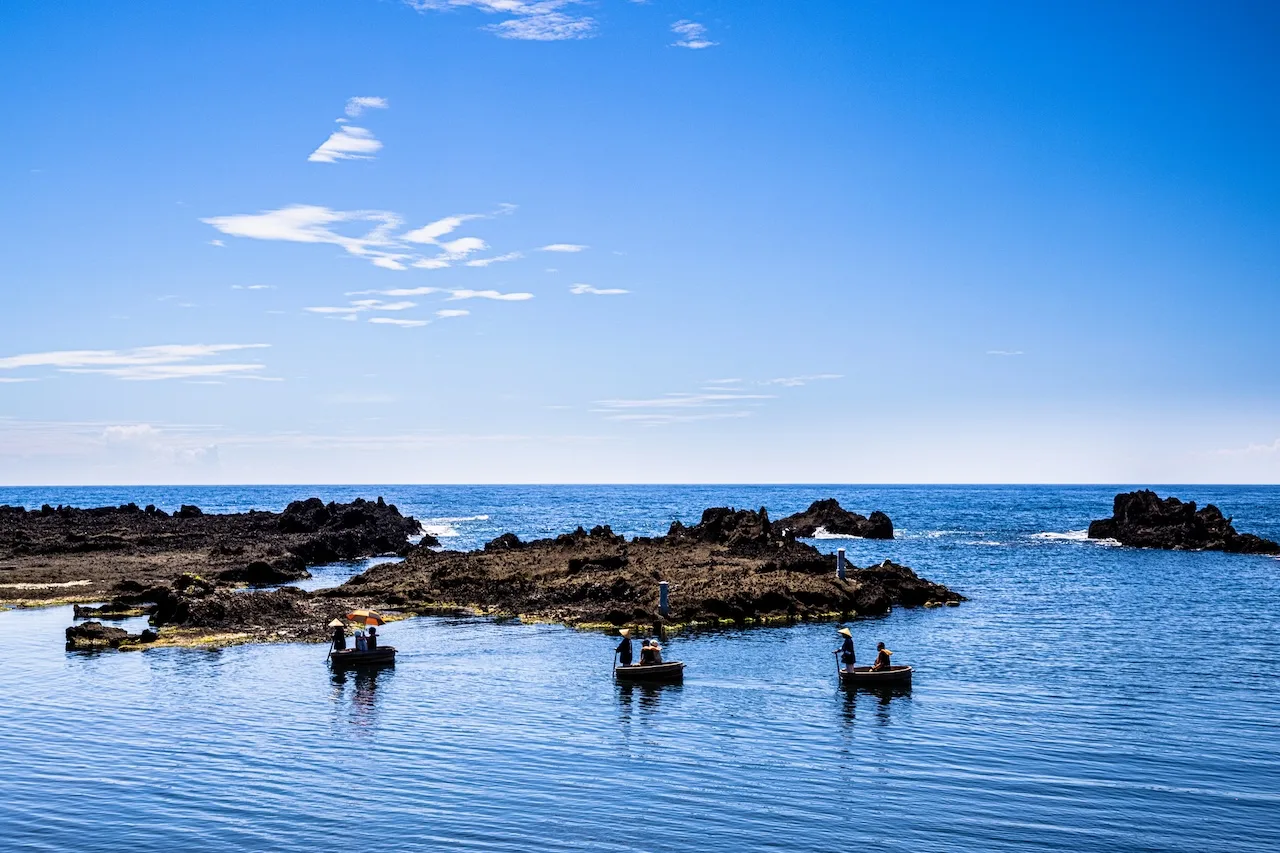
Hangiri, also known as tarai-bune (“tub boats”), were invented on Sado Island’s Ogi Peninsula and are among the world’s more unique fishing vessels. Their roots are deeply connected to the 1802 Sado Ogi Earthquake, which caused the coastline to rise. This created a complex network of reefs and shallows around the peninsula that large boats struggled to approach and maneuver through. Local fishermen took to riding in round boats, which could more freely navigate the rocky shore.
The name hangiri literally means “cut in half” and comes from the appearance reminiscent of a bisected wooden barrel. In fact, the earliest hangiri were made by adapting methods used to produce large miso and sake barrels. Made from cedar sourced on Sado tied together with bamboo, the structure is lightweight, yet sturdy. The circular sides effectively deflect waves to provide stability even near the rocks.
Taking a cruise along the rocky shore in these handcrafted boats is a must-try experience during your time on the island. As you navigate the sea with the historic townscape of Shukunegi in the backdrop, the boatman will provide abundant insight to make the journey even more enjoyable. The Calm Waves in Twilight Course is a delightful 20-minute ride towards the setting sun, offering an extraordinary view from a unique vantage point just above the sea’s surface.
Sado’s seasonal flavors in a historic port town that prospered through trade—a fusion of Shukunegi’s independent culture and French cuisine
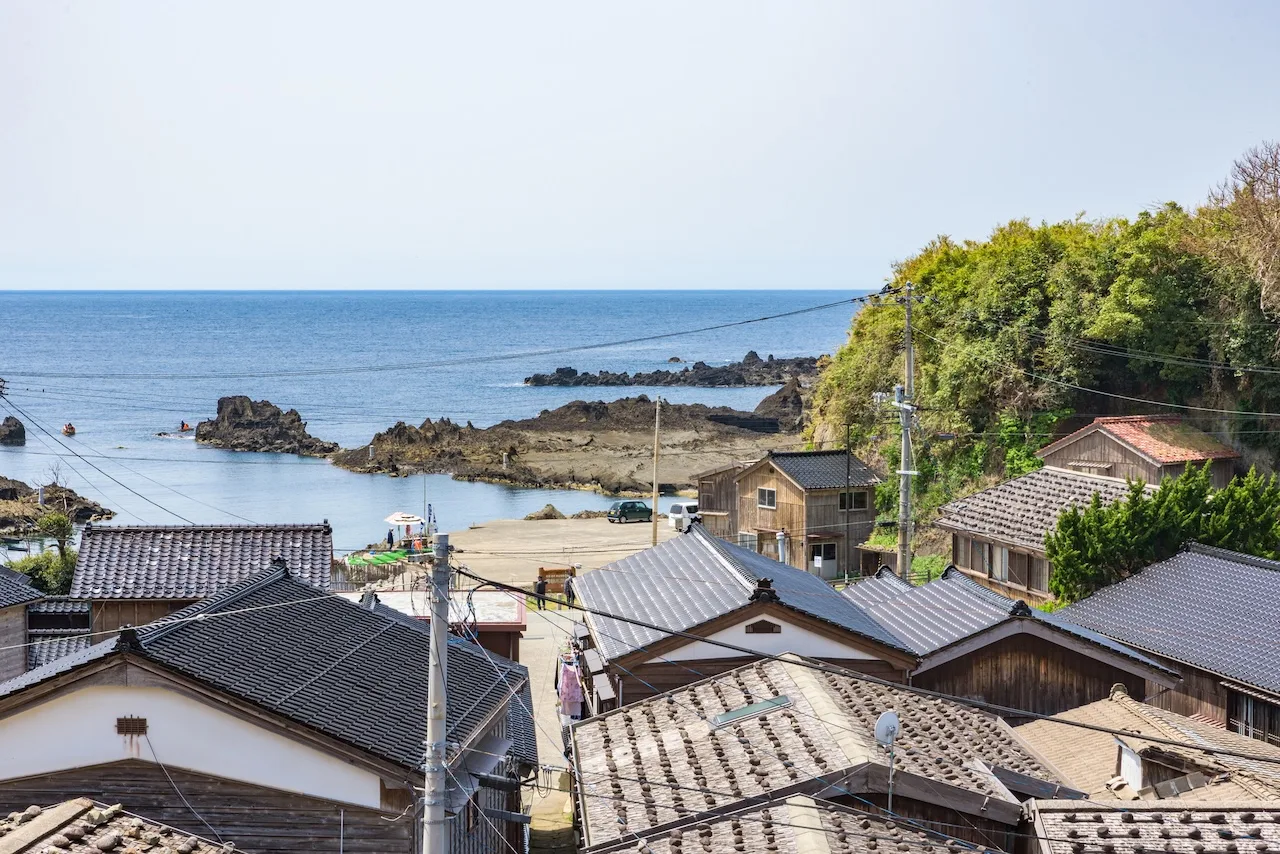
Shukunegi is located in an inlet on the Ogi Coast and prospered through maritime trade. With maze-like alleys and over 100 tightly-packed wooden-walled houses, the townscape is a quintessential Japanese port town that has survived to the modern day and has been designated an Important Preservation District for Groups of Traditional Buildings of Japan.
Cuisine Anaguchi is located in one of these historical buildings and continues to express Sado’s seasonal flavors and Shukunegi's culture of jimae (independence) through French cuisine. This culture was originally described by Tsuneichi Miyamoto, a scholar of Japanese folklore who led preservation efforts in Shukunegi and referenced “a way of living that values and improves one's own lifestyle.” The building is the former residence of Izaemon Sato, who built his fortune as a merchant ship owner and was one of the island’s wealthiest residents.
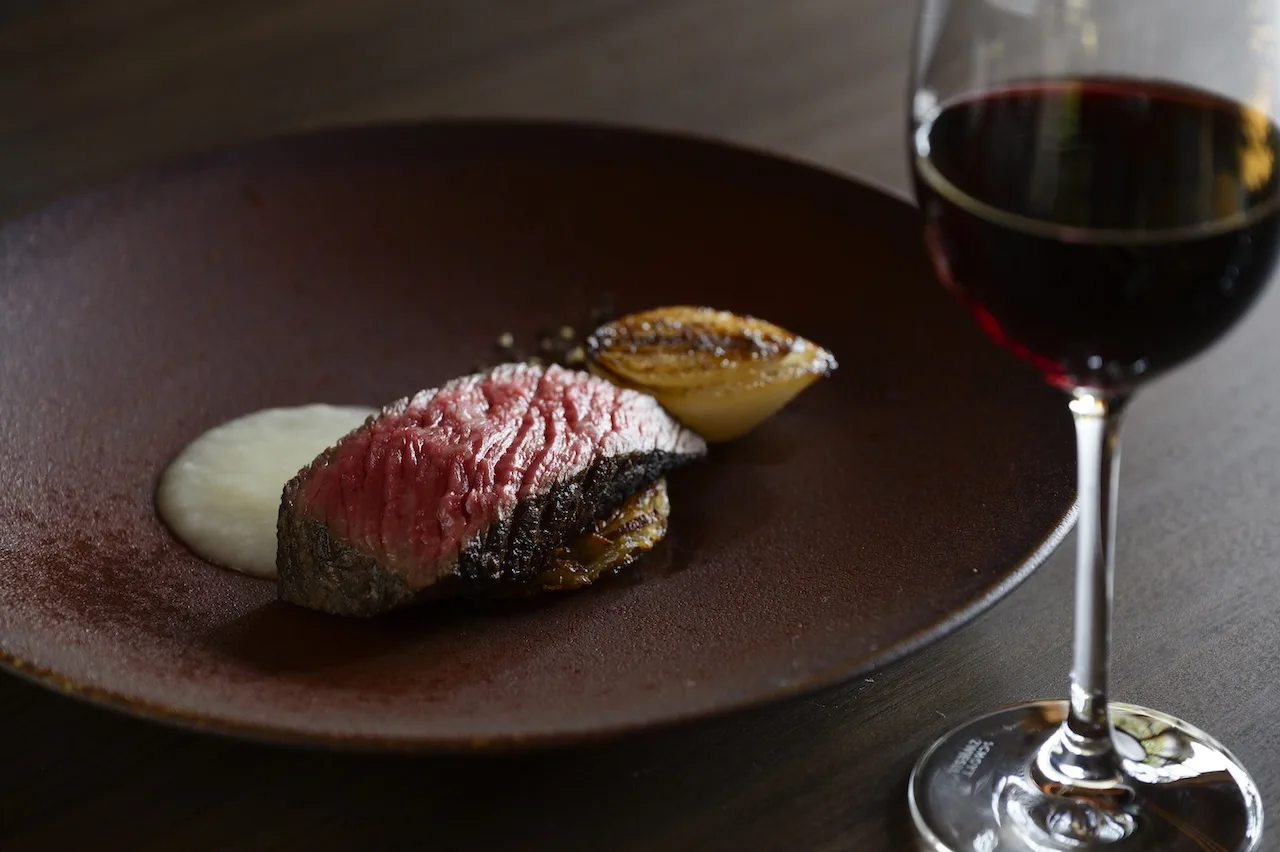
Gaze out onto a meticulously-maintained Japanese garden as you enjoy a course meal with the finest seasonal ingredients, including seafood from off the coast of Sado and vegetables grown on the island. The historical surroundings harmonize with modern cuisine to create an experience like no other.
Dinner sittings must be reserved at least three days in advance. If you want to fully immerse yourself in Sado’s culture and cuisine amidst a serene setting, this is the place for you.
Address
新潟県佐渡市宿根木402
Telephone Number
0259-58-7227
Opening Times
Lunch: 11:00 am - 2:00 pm, Dinner: 5:00 pm - 7:00 pm
Closed: Sundays, Mondays and Tuesdays
*Opening dates and times may be subject to change. Please contact the restaurant in advance.
Learn about Sado’s sake by tasting at a brewery in a former school
Gakkogura is a wooden building that once housed a school and has been given a new lease of life as a sake brewery by Sado’s long-renowned brewer Obata Shuzo. This ""brewery of learning"" offers insight unique to Sado, keeping conditions relatively cool, even in summer, and producing sake using sake rice from the island. Gakkogura also actively utilizes renewable energy, including by adding solar panels to the original building, and incorporates recycling of local resources into its sake brewing.
Available by advance reservation, the Premium Tasting Course comprises a staff-led tour of the facilities, including the brewing areas, and the chance to sample five or six types of sake paired with a snack. The taste of sake imbued with the brewery’s story makes for a truly memorable trip.
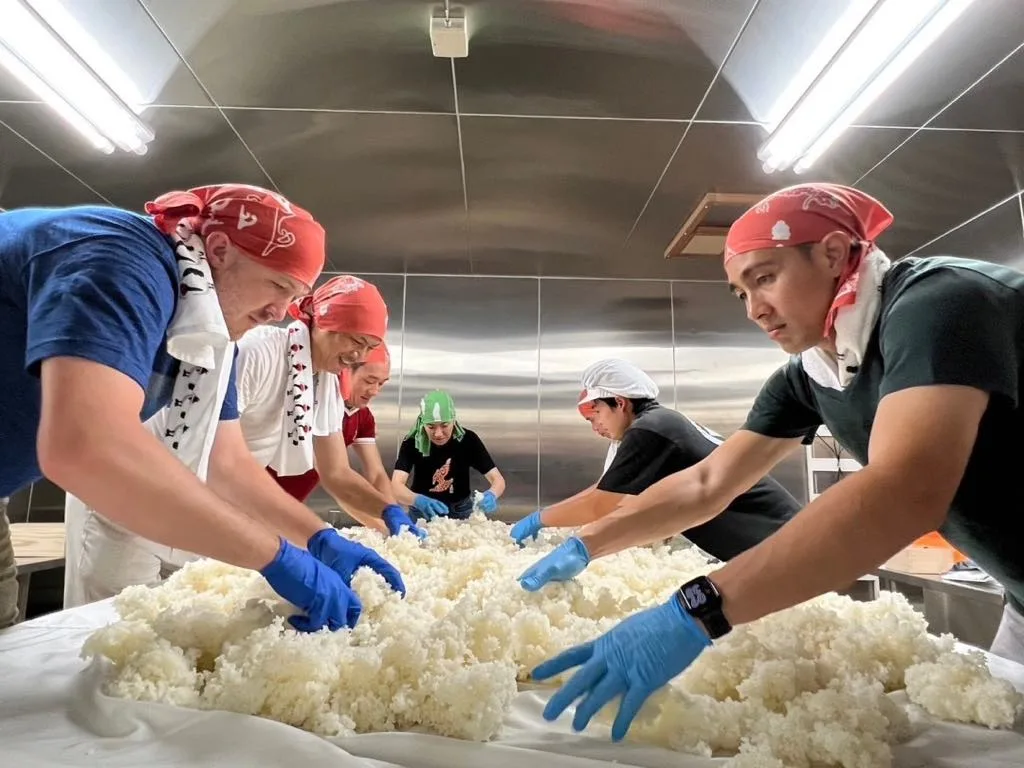
Serious sake enthusiasts can experience the core aspects of sake brewing, such as koji (rice malt) making and the three-stage fermentation process, through the week-long sake making program. The dates and content are announced year by year. Going beyond looking to actually make sake takes your understanding of this fascinating craft to a new level.
On weekends, a café overlooking the sea serves dishes made with sake lees, koji (rice malt), and local ingredients.
Built on the heights of a quasi-national park with stunning views, this is “the inn closest to the setting sun”
HOTEL AZUMA was founded in 1925 as a traditional Japanese restaurant in Aikawa’s Haneda. Built on the heights of a quasi-national park on the island’s west coast, it is also known as “the inn closest to the setting sun.” The spectacular sight of the sun sinking directly over the horizon beyond the picturesque Nanaura Coast is a highlight of any trip.
In addition to the large public Aikawa Nagate Cape Onsen and its open-air bath overlooking the Sea of Japan, private open-air baths are available in the garden and select guest rooms. Walking paths provide a great way to take in the approximately 2.3 hectare lawn garden, and the promenade leading to the coast is ideal for enjoying the sea breeze. Take a stroll around the garden before sunset, soak in the hot spring in the evening, and finish off the day with delightful Japanese cuisine made with seasonal Sado produce. Simply being in this place makes for a blissful, relaxing day.