

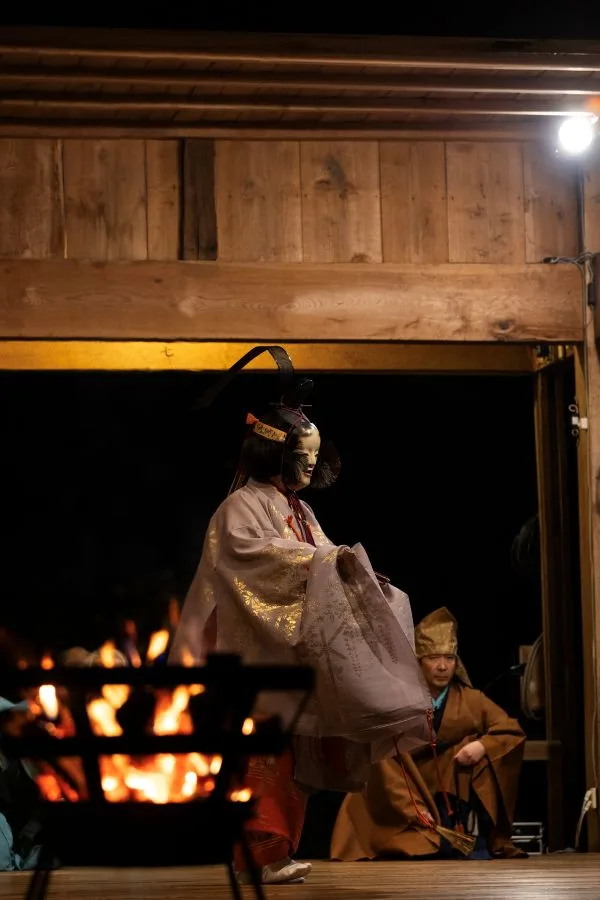
Sado Island has long been a crossroads of cultures, connected by the sea to many regions. Exiled nobles and cultural figures once lived here, and later, the island attracted officials, engineers, workers, and merchants from across Japan due to its mining industry. As a key port for the Kitamaebune trading ships, Sado welcomed a variety of customs and traditions, blending them into a unique and rich cultural heritage all its own.
Takigi Noh
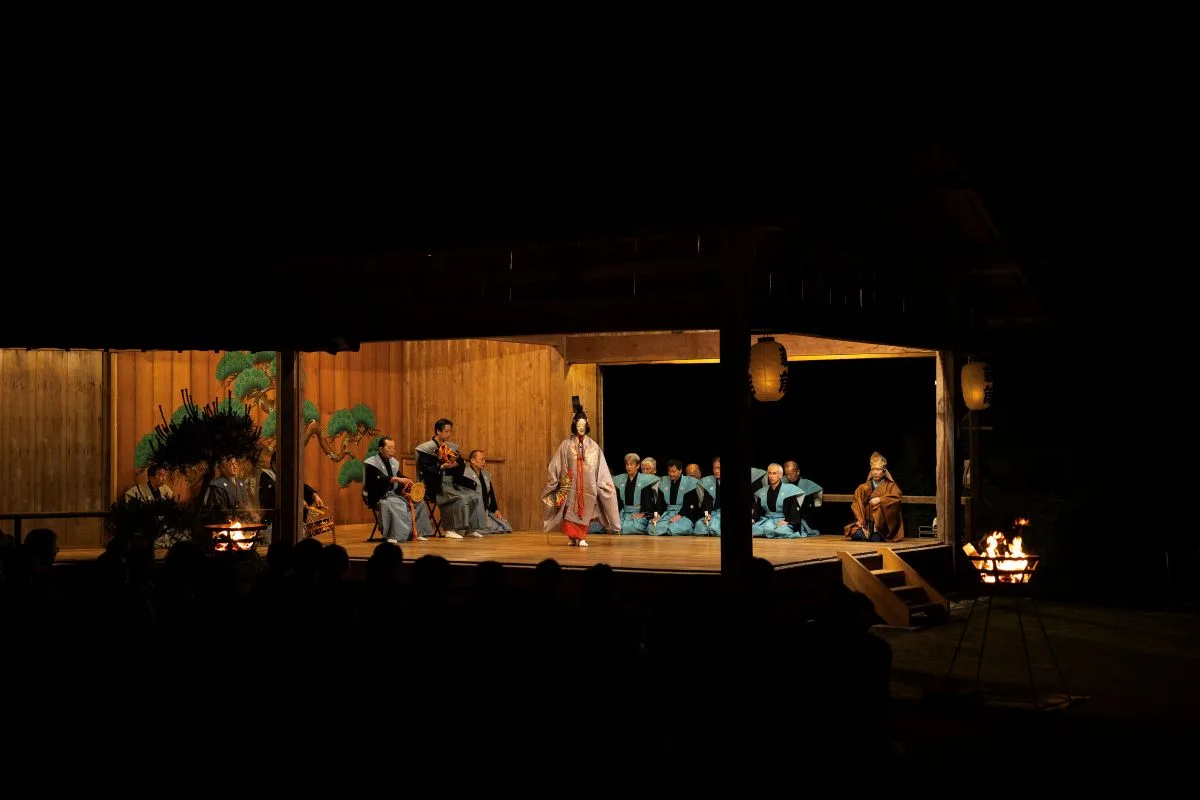
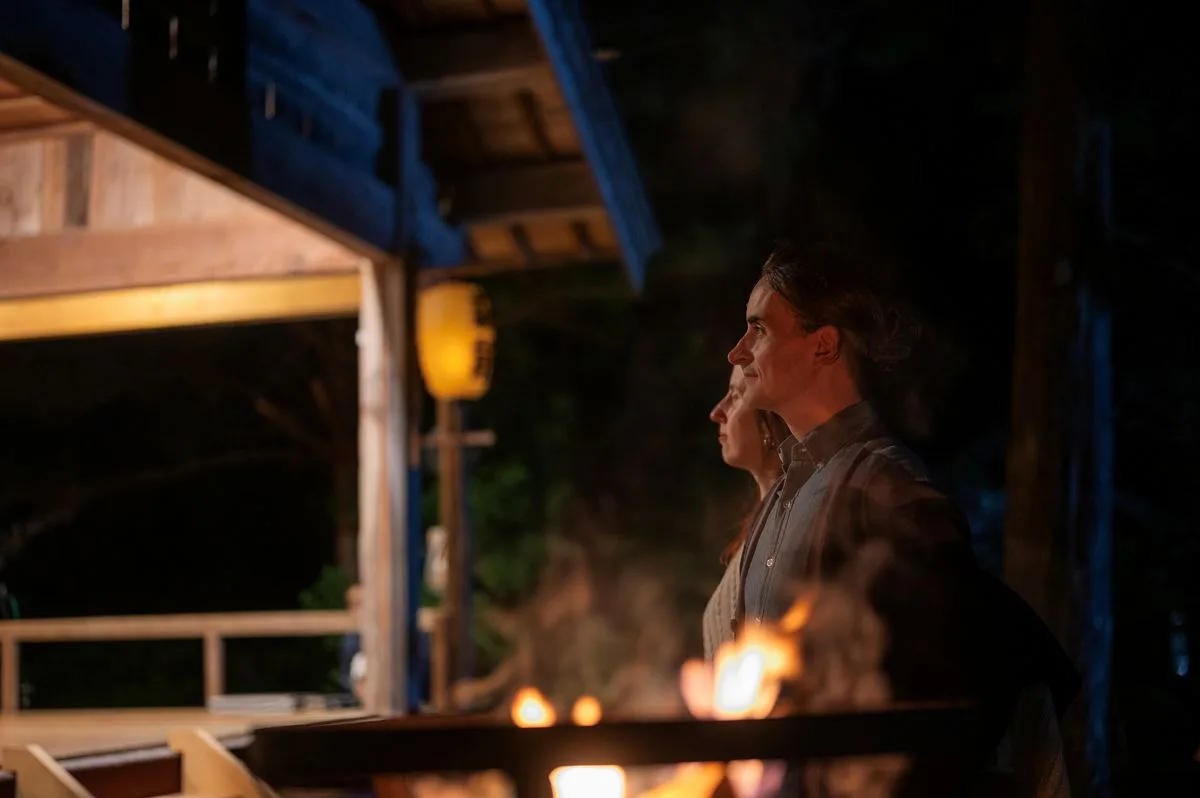
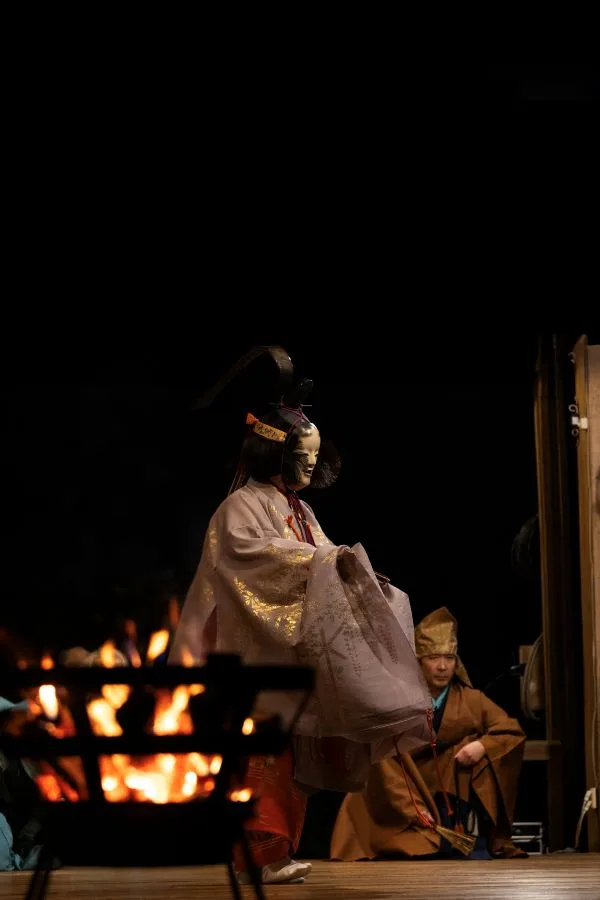
In the Edo period, Nagayasu Okubo, Sado’s first magistrate, is credited with bringing Noh theater to the island. It evolved into Shinji Noh—a sacred form performed at shrines—and became known as “the people’s Noh.” Many of Sado’s Noh stages are located within shrine grounds, where audiences watch from open-air seating. From April to October, performances are held across the island. As twilight falls and the flickering light of torches fills the air, the solemn and enchanting Noh plays begin—offering spectators a timeless and unforgettable experience.
Onidaiko (Demon Drumming)
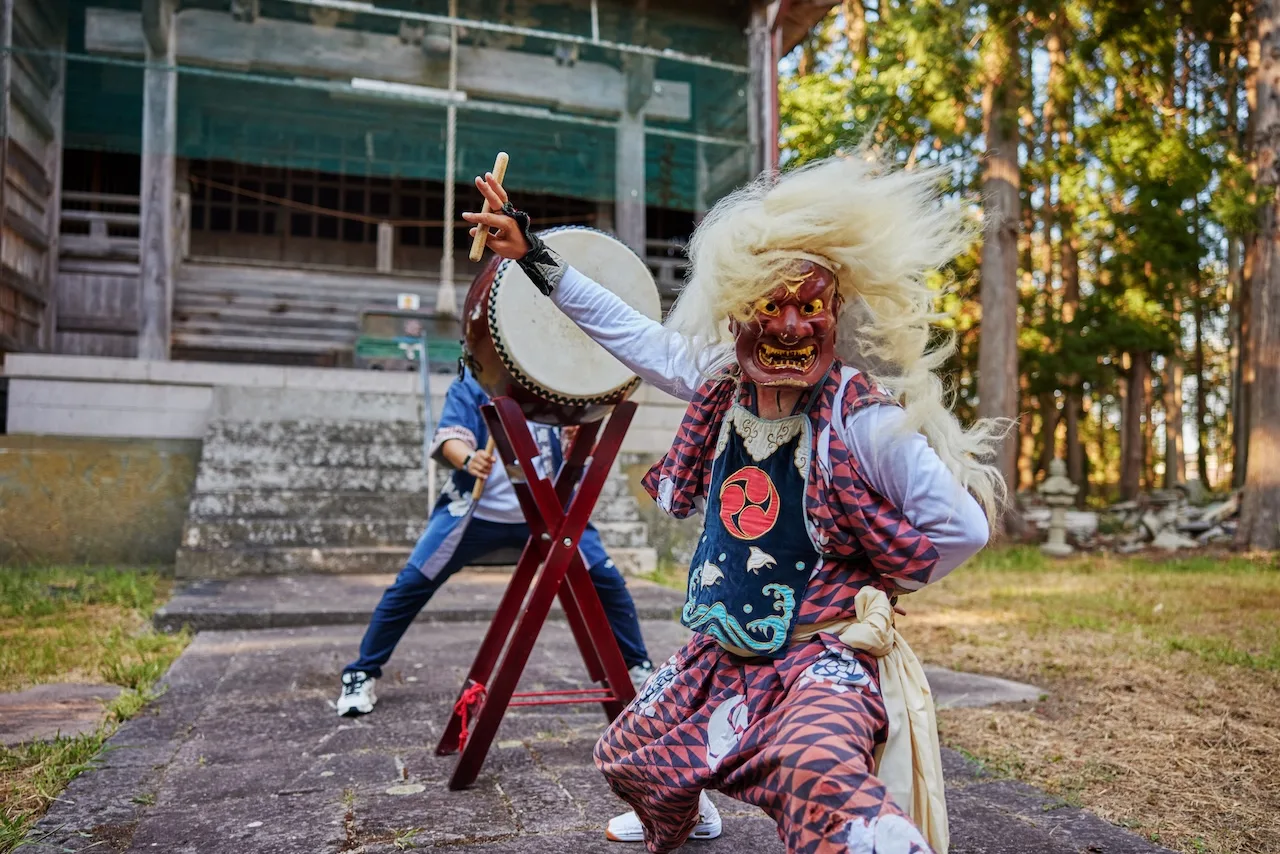
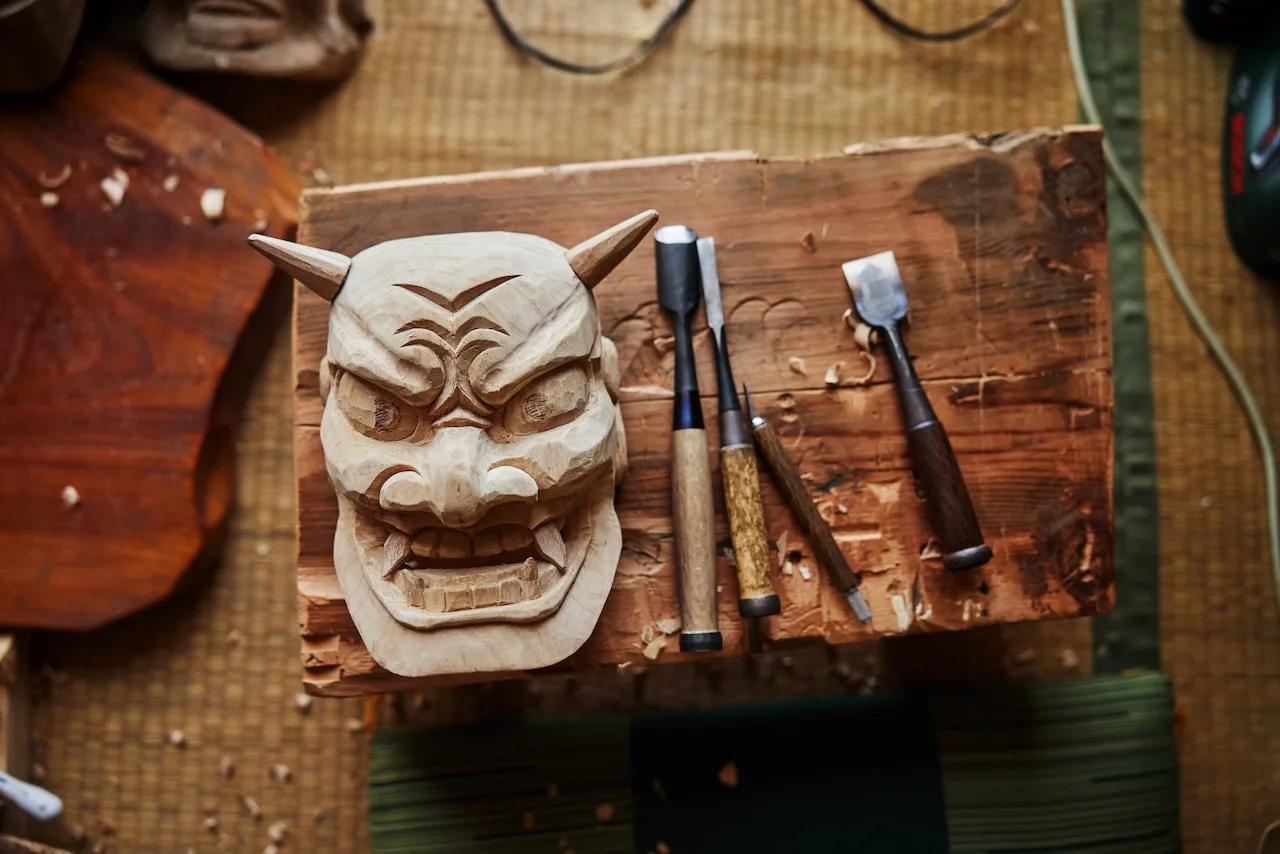
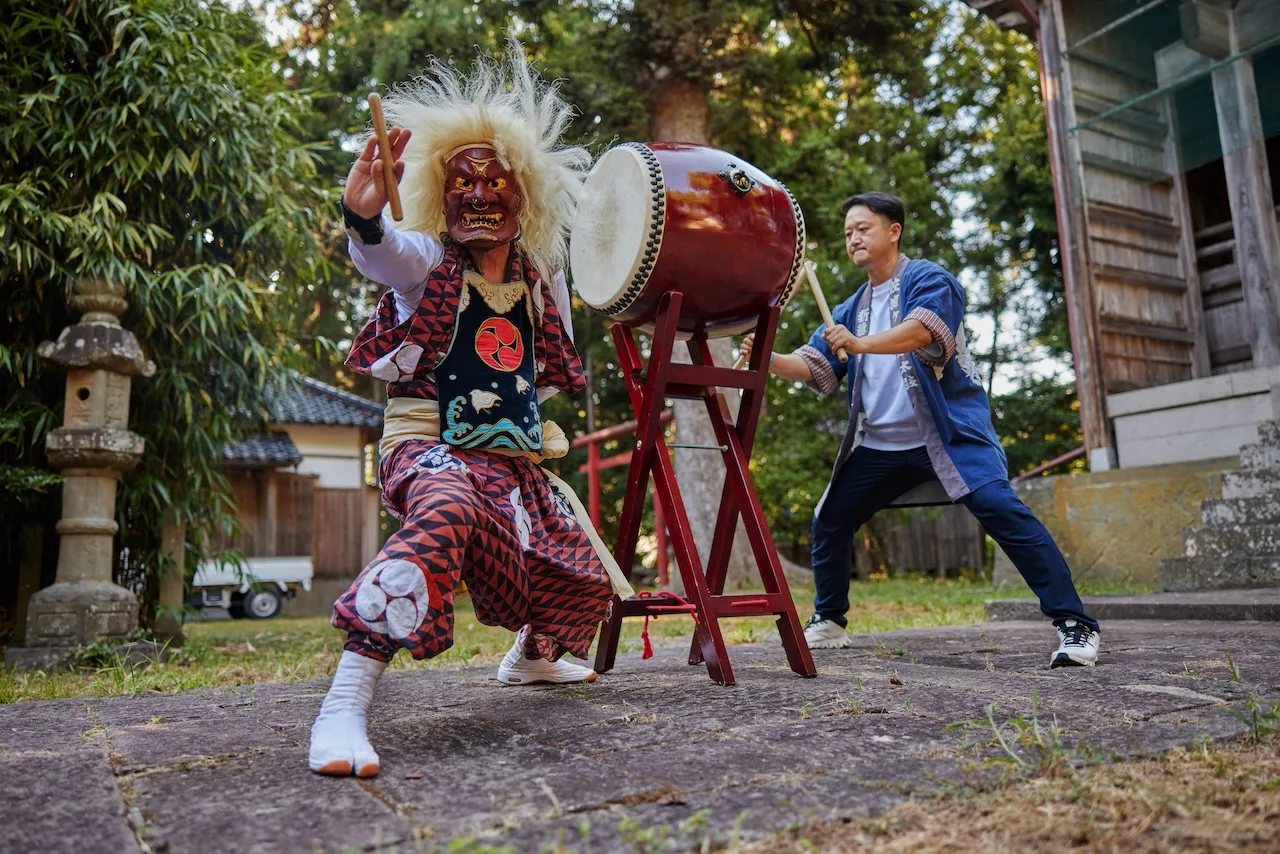
Onidaiko, or Demon Drumming, is one of Sado Island’s most iconic traditional performing arts. A magistrate’s diary from the mid-18th century records that miners at the gold and silver mines wore demon masks and played drums—a tradition that lives on today. Each village has passed down its own unique style of Onidaiko, with powerful drumming, dynamic dances, and spirited chants. Over 120 communities across the island preserve their own version, making Onidaiko a deeply diverse and vibrant expression of local culture.
Sado Island Taiko Center Tatakokan
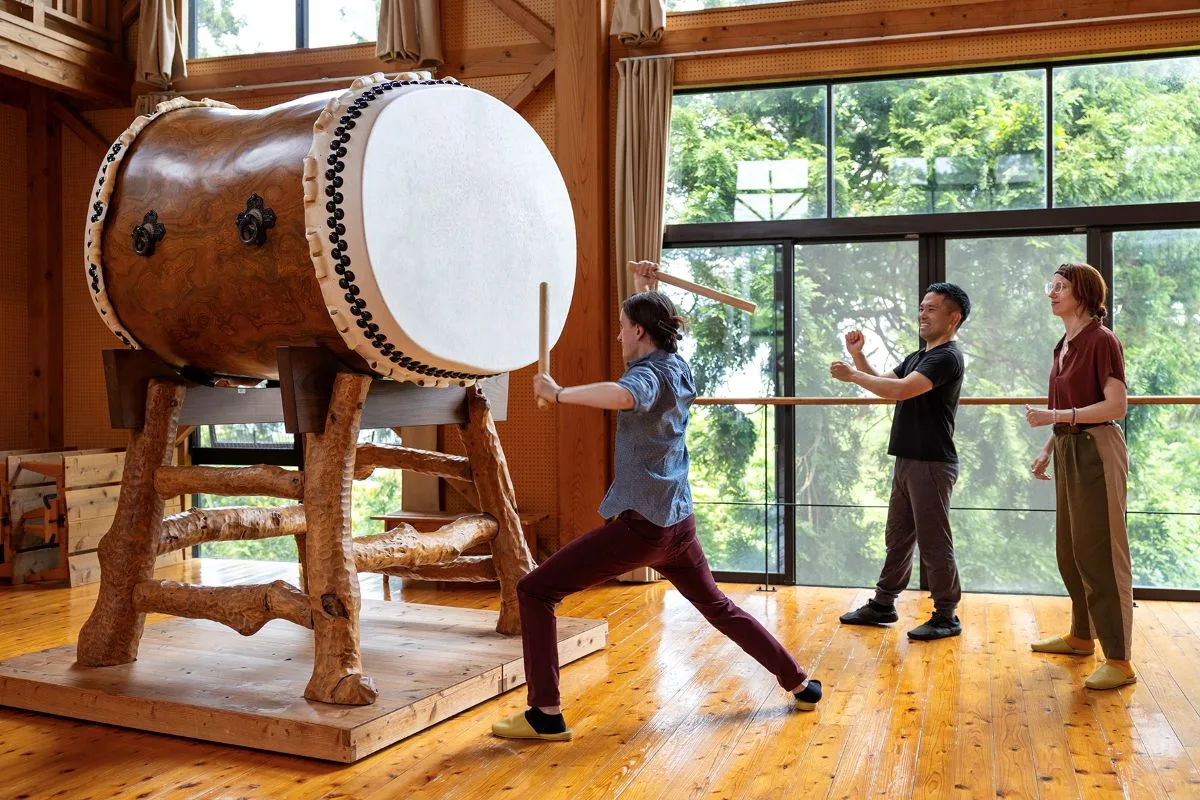
At the Sado Island Taiko Center (Tatakokan), you can enjoy hands-on taiko drumming workshops inspired by the skills and spirit of Kodo, the internationally acclaimed taiko performing arts group based on Sado Island. These workshops are open to everyone, offering a fun and engaging way to experience the power and rhythm of Japanese drums. The building itself is constructed using locally sourced wood from Sado, adding to the charm of the experience.