

The History of the Hachijurigoe Pass
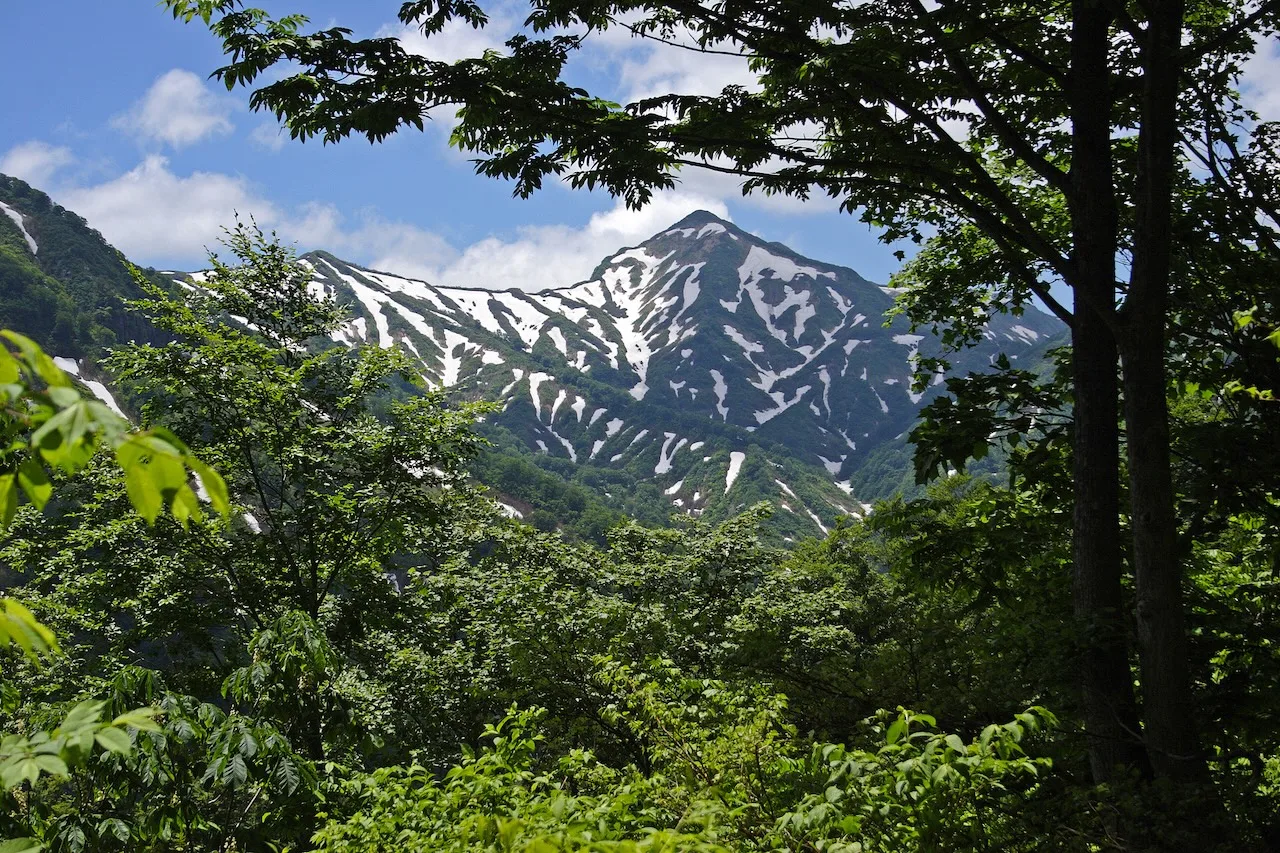
Hachijurigoe Pass connects Niigata and Fukushima and is a historic route that has long linked people and goods across the mountains. From the late 15th to the 16th century, Hachijurigoe Pass was used as a trade route. In 1868, Kawai Tsuginosuke, a samurai of the Nagaoka Domain, was defeated by the new government forces and crossed this rugged route to reach Tadami Town.
Hachijurigoe Pass, remembered by people for its changing roles over the centuries, is once again drawing attention as a road under development in the modern era. Developed over many years through careful planning and engineering, the route is planned to connect Niigata to Shirakawa City in Fukushima Prefecture and then to Iwaki City once completed. It will also provide access from Minamiaizu Town to Route 121, leading toward Tochigi Prefecture. Crossing the mountainous region, this route will continue to support tourism, regional interaction, and local life into the future.
Majestic Mountains and Foothill Landscapes
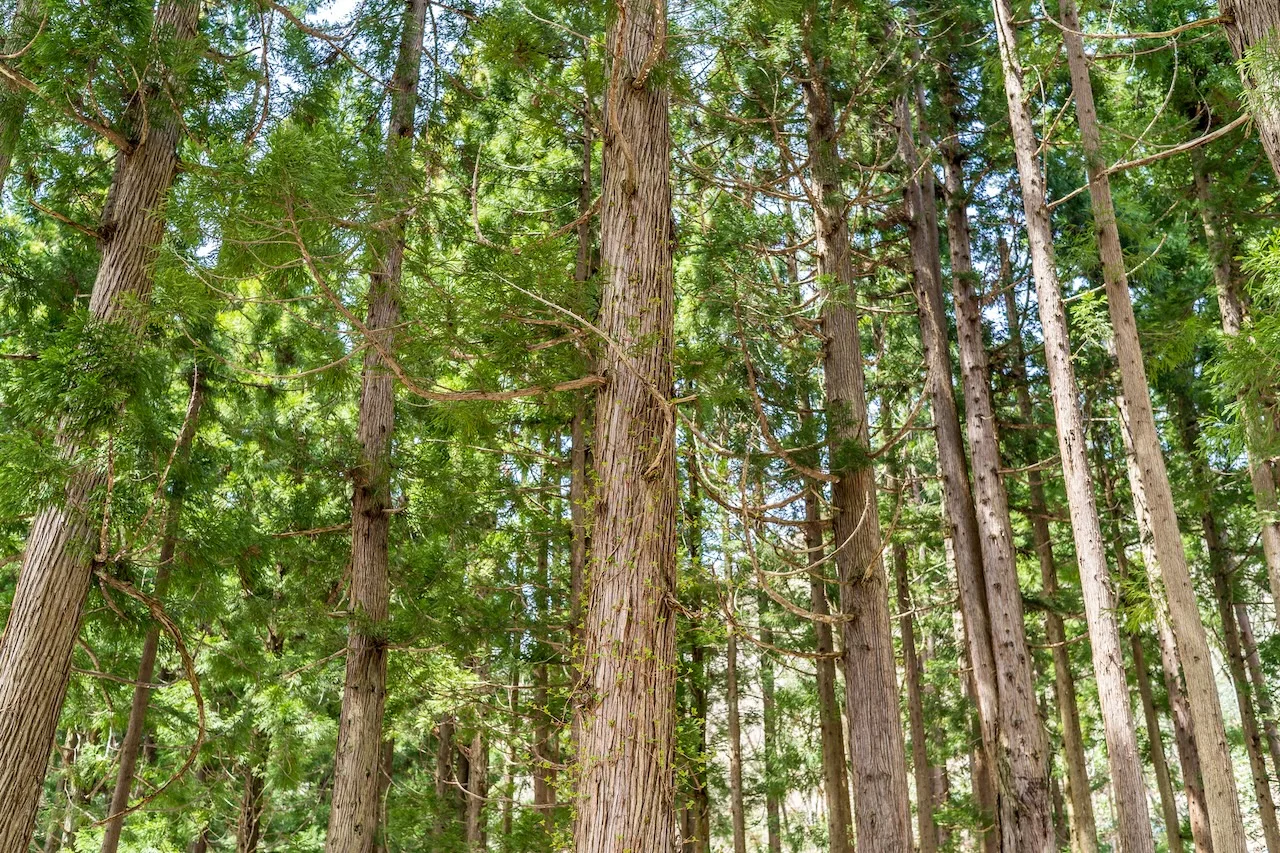
Around Hachijurigoe Pass, dense forests and majestic mountains stretch across the landscape, with untouched nature all around. The area is known as a breeding ground for peregrine falcons, and features natural highlights such as the 200-meter-tall cliffs of Yagigahana, Shitadago Prefectural Nature Park, and the forests of the Tadami Biosphere Reserve, with scenery that changes with each season.
At Komado, Miyatoko, Mitsuiwa, and Tashiroyama Marshes, you can see plants unique to wetland environments, and in early summer, delicate Himesayuri lilies bloom abundantly at Takashimizu Nature Park. At the foothills of the mountains, satoyama landscapes blend with local life, allowing visitors to encounter Japan’s traditional scenery that has coexisted with the mountains. Come and enjoy a peaceful moment, surrounded by the warmth of nature.
Satoyama Culture
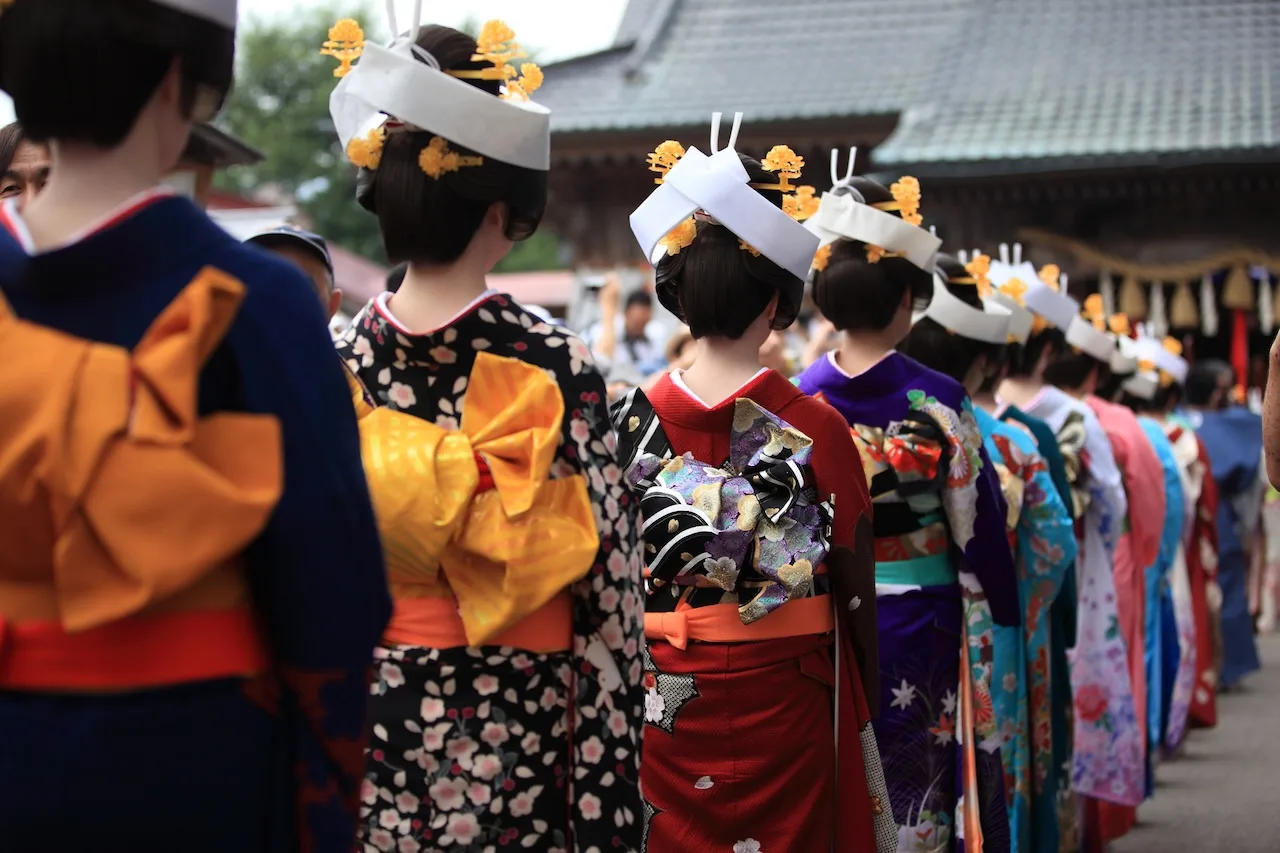
In the traditional “satoyama” rural landscape nurtured by the people who traveled Hachijurigoe Pass, local culture closely connected to community life is still carefully preserved today. The Aizu Tajima Gion Festival, designated as an Important Intangible Folk Cultural Property of Japan, is a festival with a history of about 800 years. Its spectacular Nanahokai procession, also called the bridal procession, is said to be the most beautiful in Japan. Meanwhile, at the Shitada Furusato Festival, known as the Maoi Daija Festival, participants carry a giant serpent mikoshi, with everyone from children to adults joining in as they parade through the village. At Kanouzu Bansho, visitors can also experience a farmhouse built around the 19th century. The memories of exchanges connected by mountains, people, and the route remain vivid in the satoyama landscapes and festivals, warmly welcoming visitors.