

The World of Soichiro Tomioka—A Painter Who Mastered the White of Snow
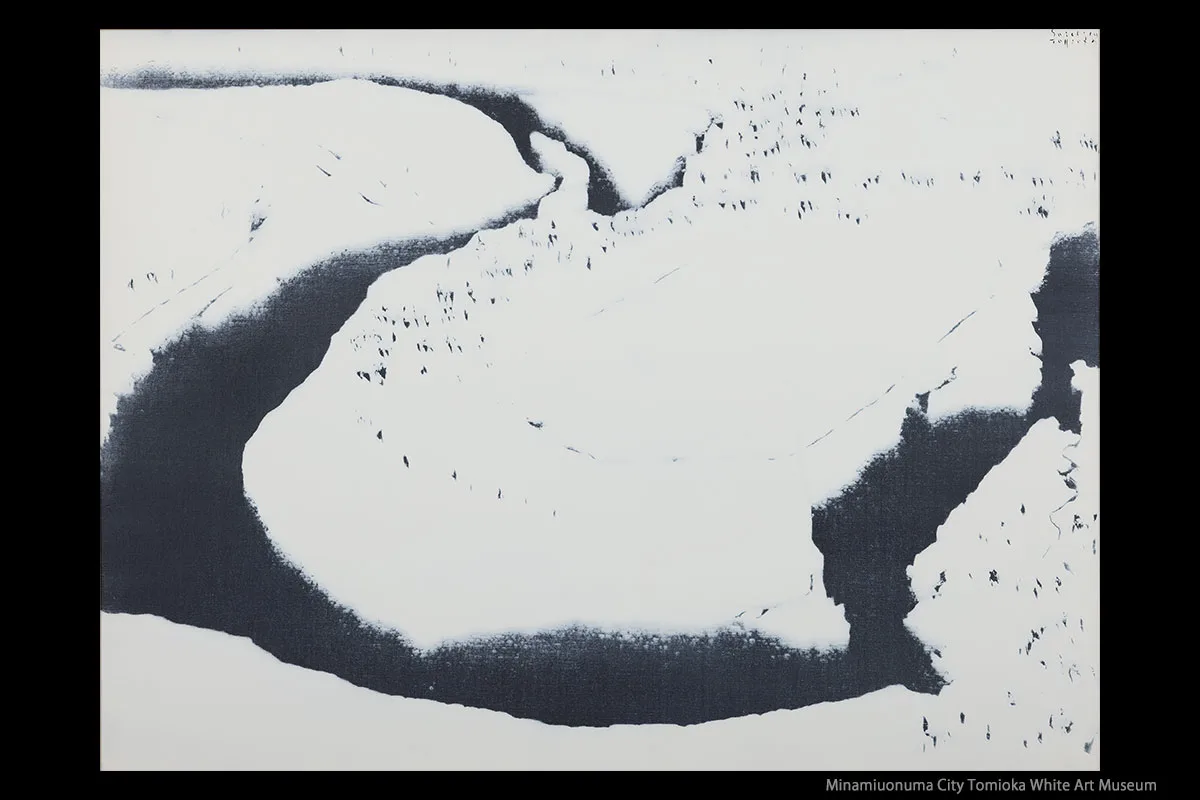
The Tomioka White Art Museum displays approximately 40 works by Soichiro Tomioka—an artist born in the snow country of Echigo (present-day Niigata)—including pieces from his oil painting series, A World of White. Throughout his life, he employed a wide range of techniques in pursuit of the white from the snow that characterized his roots. Using Tomioka White, a white oil paint he developed himself, and custom-made painting knives, he created sculptured expressions that capture the nuances of this white. Seeking to portray snowy landscapes from multiple angles, he captured scenery from aircraft and studied the use of negative space, lingering resonance, and gradations of black from ink wash painting and calligraphy. Experiencing the white winter landscapes that unfold beyond the museum’s walls before viewing his works reveals the depth of Tomioka’s affection for his homeland and his unwavering devotion to the beauty of white. Take a moment to immerse yourself in this quiet world of white that enriches the soul and brings a new sense of vibrance to life.
An Encyclopedia of Life in the Snow Country Bokushi Suzuki—The Merchant Behind Snow Country Tales
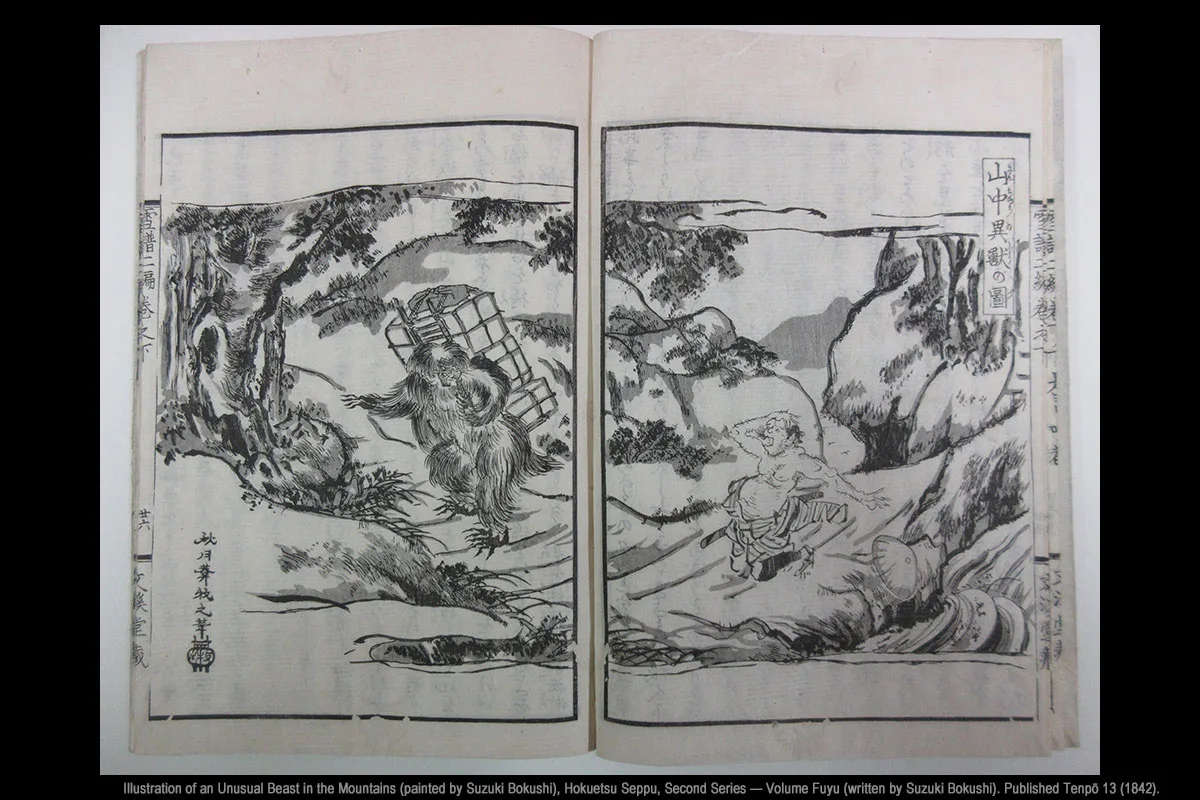
Bokushi Suzuki was a merchant from Shiozawa, Echigo (a part of present-day Minamiuonuma City) and a celebrated writer. During the Edo period (1603-1868), he spent forty years compiling Hokuetsu Seppu (Snow Country Tales) to share the realities of life in Echigo’s deep snow. Hokuetsu Seppu contains a total of 125 accounts and 55 illustrations, covering topics such as the snow of Echigo, daily life in the snow country, local industries including Echigo Chijimi (a traditional textile), curiosities of the snowy region, nature, living creatures, disasters, and festivals. It is, in every sense, an encyclopedia of the snow country.
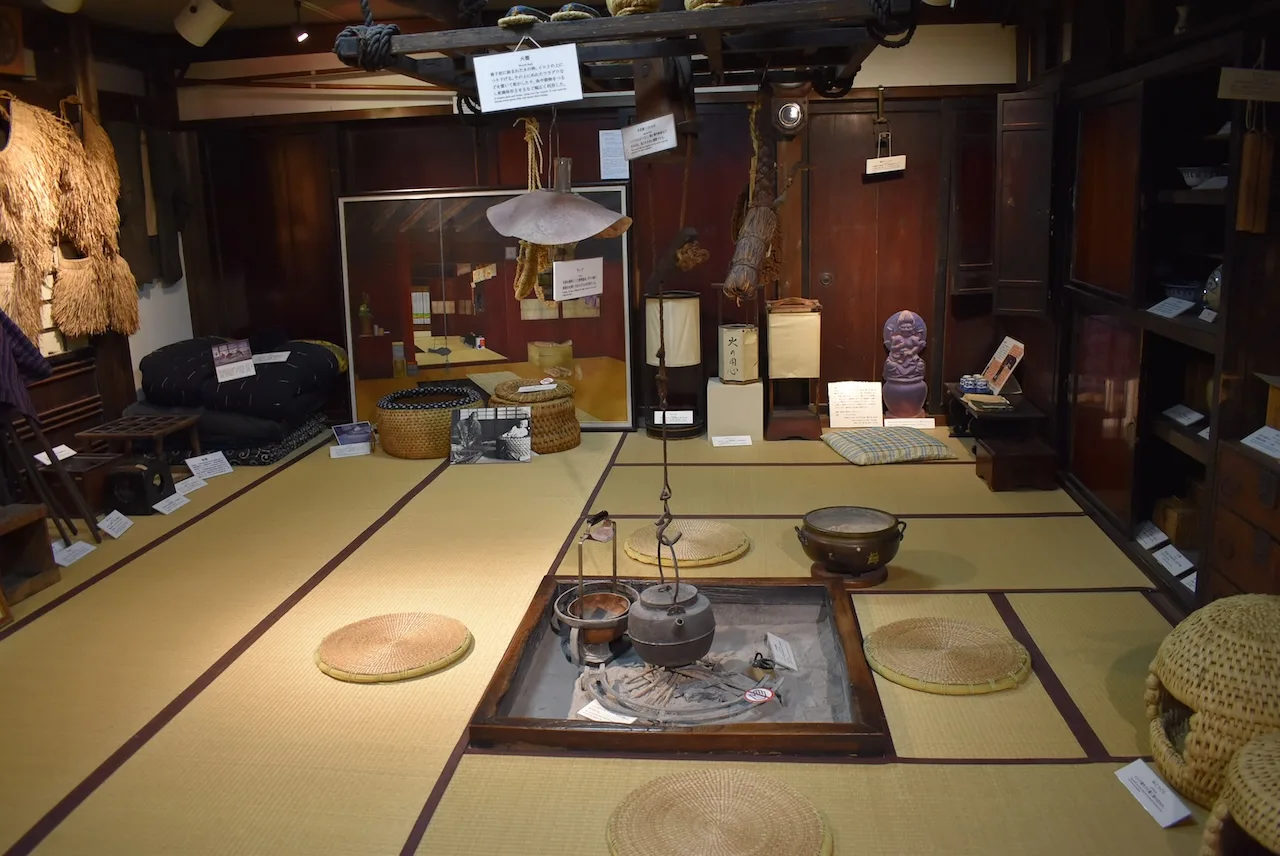
At the memorial hall, you can gain insight into the author’s character through his correspondence with fellow writers and his surviving travel journals, as well as see the traditional folk tools once used in the region. These displays add depth to his stories and illustrations, transforming them from mere records into a firsthand encounter with the wisdom and culture of the people who lived in harmony with the harsh natural environment, deepening your understanding of life in the snow country even further.
Shinichi Takahashi—The Passionate Leader who Spread Woodblock Printing to Sado Island
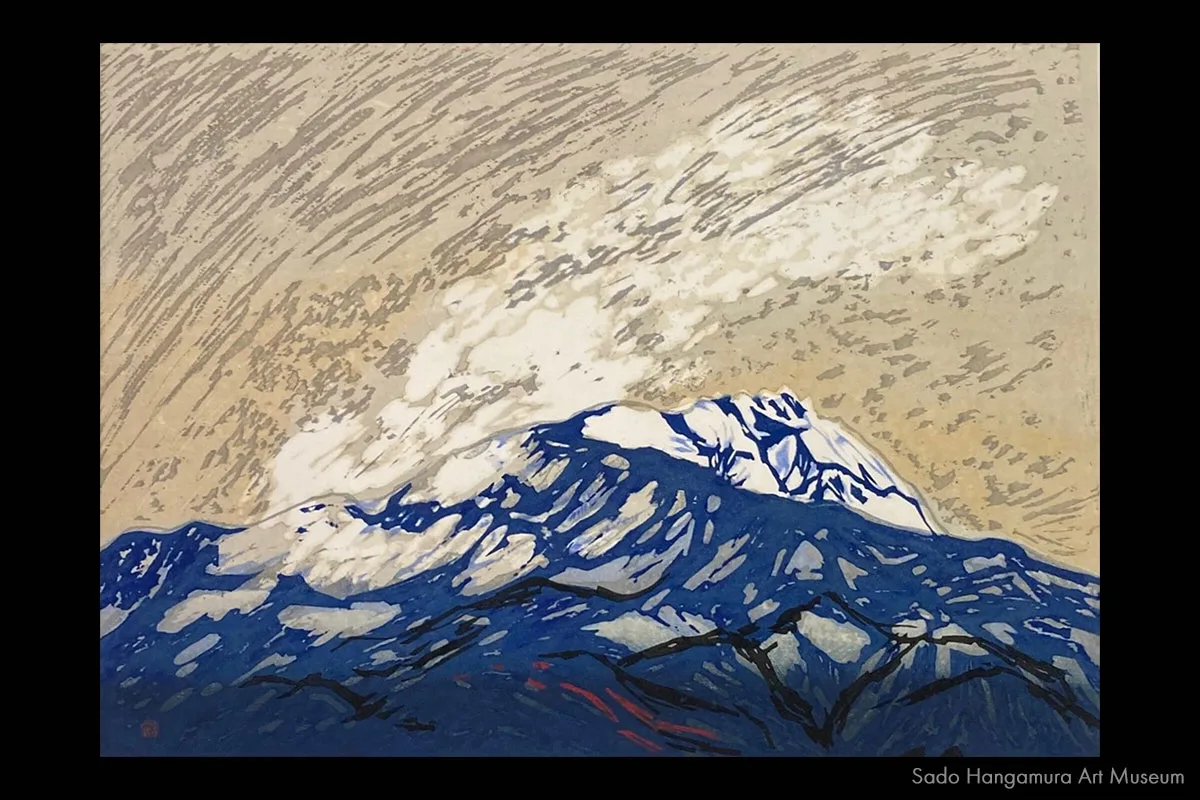
Shinichi Takahashi taught woodblock printing as a high school teacher at his hometown on Sado Island. Even after retiring, he stayed there, dedicating himself to creating new works and mentoring younger artists. While preserving the charm of Sado through his woodblock prints, he also spearheaded a community revitalization movement known as the Woodblock Printing Village Movement, becoming the central figure in spreading a culture of woodblock printing throughout the island. At the Sado Hangamura Art Museum, which brings together the achievements of Shinichi Takahashi, around 260 diverse prints are exhibited, focusing on his posthumous works as well as pieces by amateur artists living in Sado. The museum hosts woodblock printing workshop for a fee and special monthly exhibitions.
Experience the world of Shinichi Takahashi, evoking the richness and beauty of Sado, and the essence of the island itself.
The Lingering Resonance of Yasunari Kawabata’s Snow Country at its Real-Life Setting
Yasunari Kawabata was the first Japanese recipient of the Nobel Prize in Literature and the author who brought Japan’s snowy landscapes to the global literary stage. In his novel Snow Country, white snow is portrayed as a symbol of purity and transience, and through delicate depictions of light, he expresses the inner lives and emotions of his characters. To immerse yourself in the world of the novel, visit the real-life setting, Echigo Yuzawa Onsen. Emerging from the “long tunnel” described at the novel’s opening, you arrive at the story’s setting, where the stillness wrapped in snow seems to flow seamlessly into the world of the work. You can further deepen your understanding by visiting the hot spring inn Takahan, said to have been a place where Kawabata would write, as well as the YUKIGUNI-KAN, which introduces the novel’s world through a variety of exhibits.