

The Nagaoka Festival Grand Fireworks Show—A Prayer for Peace
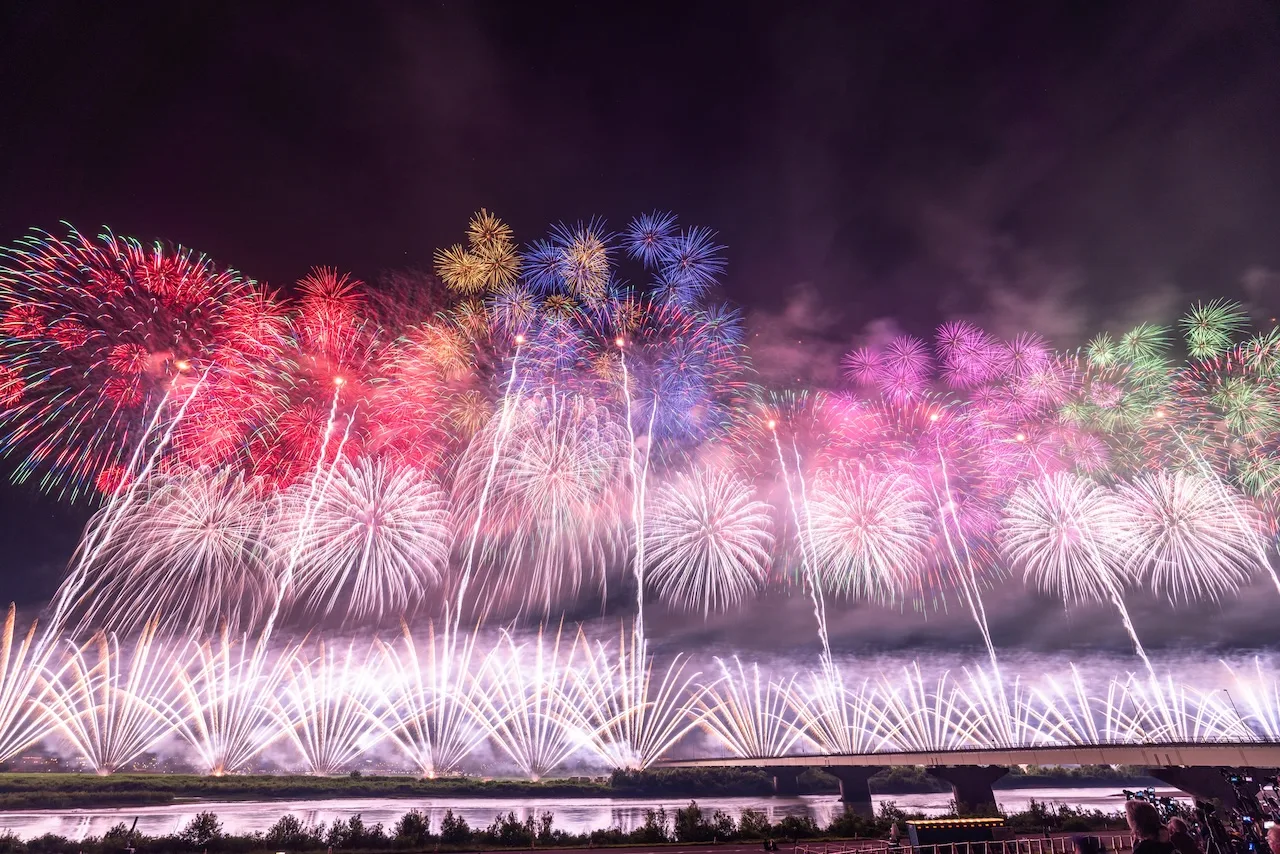
Nagaoka Fireworks launched from the banks of the Shinano River are a cultural tradition that carries history into the present. On the eve of the Nagaoka Festival Grand Fireworks Show—held in Nagaoka City every August 2nd and 3rd—fireworks are launched at the exact time the Nagaoka Air Raid began in 1945, accompanied by the tolling of memorial bells to pray for peace. During the actual festival, the Reconstruction Phoenix Fireworks illuminate the night sky in vivid color, reflecting stunningly over the river—a tribute to the region’s recovery after the Mid-Niigata Prefecture Earthquake in 2004. The Nagaoka Fireworks Museum, open year-round, features a dome theater where you can watch the spectacular fireworks and feel as if you’re truly there. It also includes an exhibition room showcasing the history of fireworks, along with full-scale fireworks shells and launch tubes. See Nagaoka’s culture of fireworks, a legacy that has been passed down through generations.
Tsubame-Sanjo—A Town with a Legacy of Artisanal Mastery
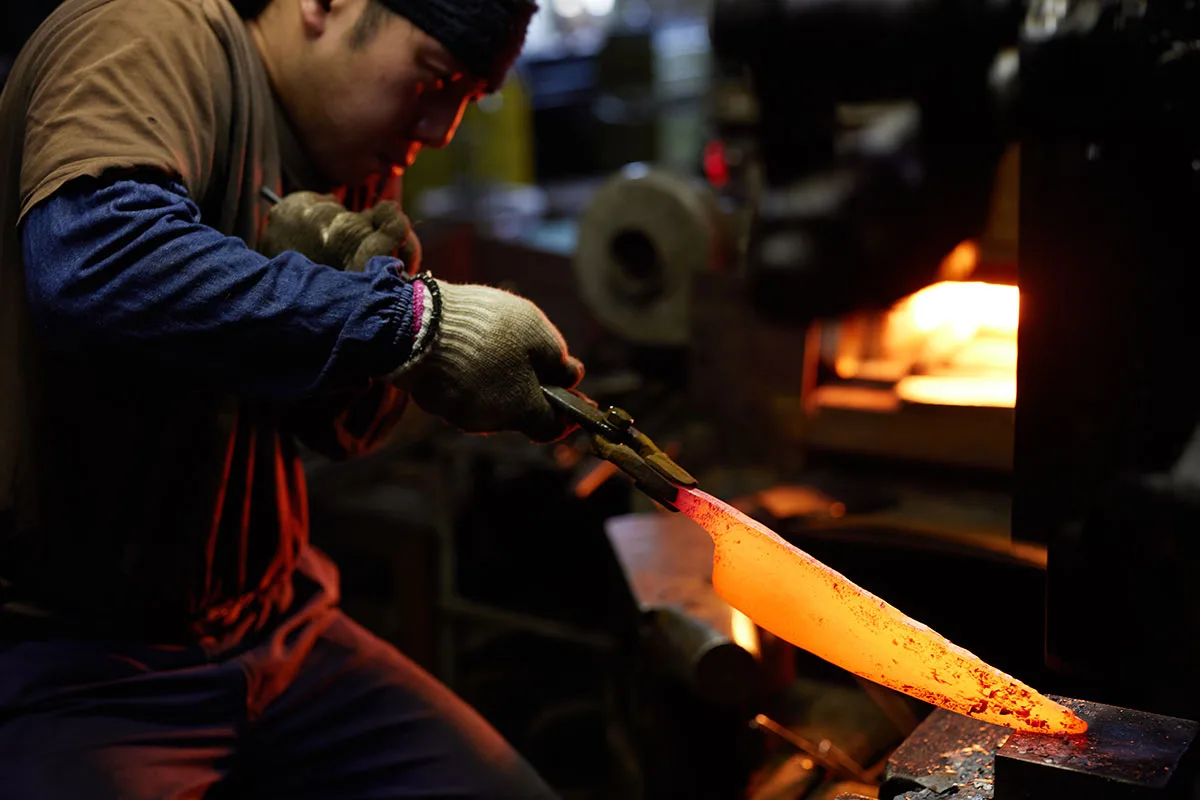
The cities of Tsubame and Sanjo (Tsubame-Sanjo) in Niigata Prefecture have been a hub for blacksmithing since the mid-17th century. Today, it’s recognized globally for its master artisanship. At Gyokusendo, artisans craft tsuiki (hand-hammered) copperware by hammering a single sheet of copper into a three-dimensional vessel. With use, each piece develops a deeper luster, gradually becoming part of its owner’s daily life. At Hocho-Kobo Tadafusa, a commitment to handcrafting has endured since the company’s founding. From household to professional-grade knives, they produce blades designed to complement modern life. You can visit the workshop to observe the production process up close, experiencing the skill and passion that has been passed down for generations. In the shop, you’ll find products born from the hands of skilled artisans. Why not experience Tsubame–Sanjo’s culture of artistry for yourself?
Murakami—A City Built on Salmon
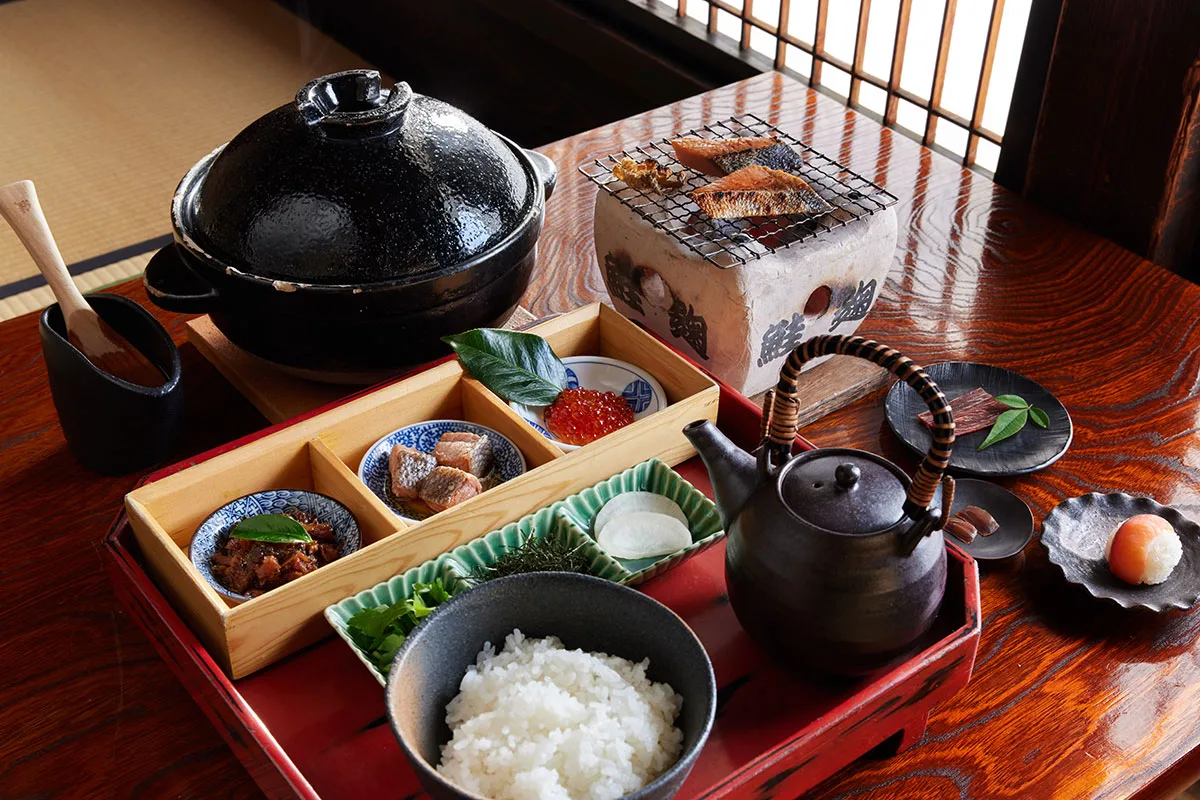
Located in the northern part of Niigata Prefecture, Murakami City—known as a salmon town—is home to Miomote River, long cherished for its salmon runs. Alongside the world’s first successful artificial propagation of salmon, a culture of gratitude for the blessings of salmon has taken root here—one that still lives on in the daily lives of its people.
The long-established Sennensake Kikkawa, a steward of Murakami’s salmon culture, values integrity in production, working in harmony with nature and avoiding food additives and chemical seasonings. Their restaurant that specializes in salmon, Izutsuya, offers an opportunity to taste Murakami’s traditional salmon dishes, enjoying flavors unique to this region that make full use of the fish’s various different parts.
Take a moment during your travels to experience and savor Murakami’s distinctive food culture, nurtured through a deep appreciation of the blessings of salmon.
Gifts from the Rivers—The Legacy of a Wealthy Farming Family
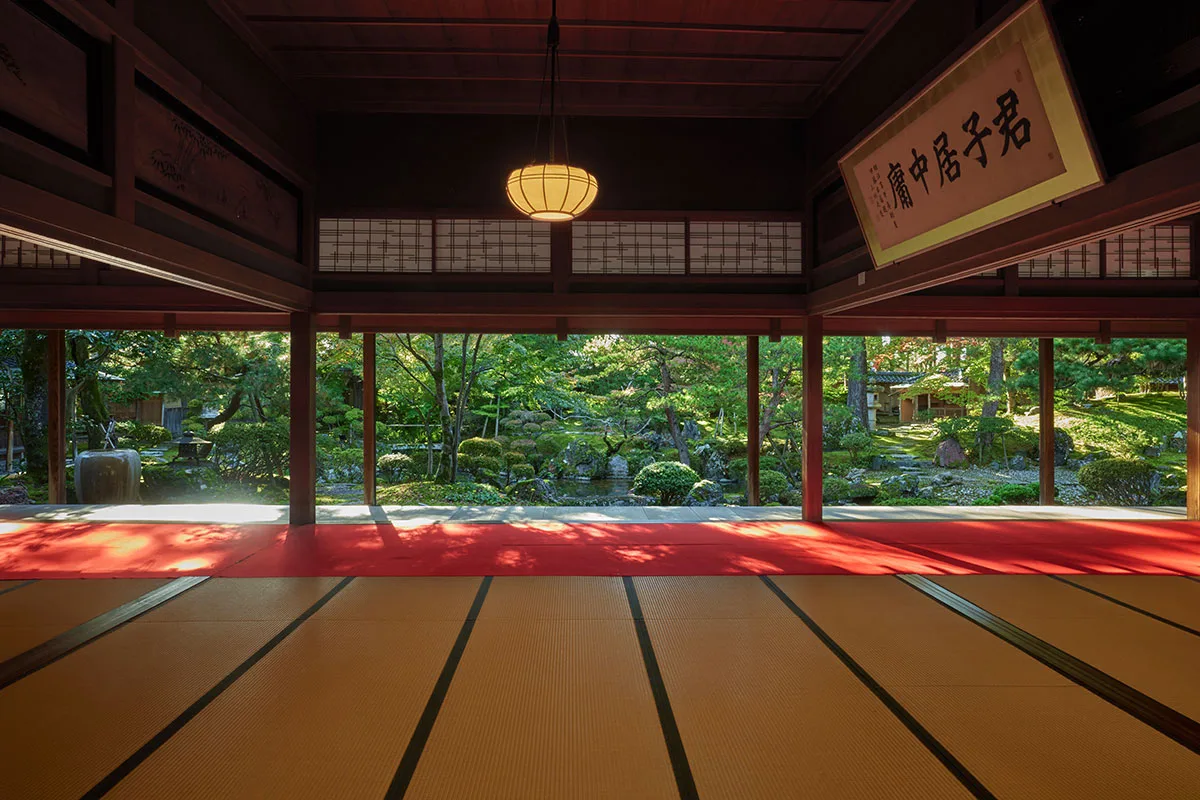
The Northern Culture Museum in Niigata City preserves the Ito family residence, once home to one of the most prominent wealthy farming families of Echigo (present-day Niigata). At the time, this affluent family took advantage of the abundant water essential for rice cultivation and the convenience of river transport to expand their holdings. While undertaking new land development, they gathered farmland and gradually expanded their operations. The blessings of the river and human ingenuity came together to establish the foundation of one of Japan’s foremost rice-growing regions. The garden, which preserves this legacy of abundance, is adorned with seasonal blooms and trees, offering a close view of the natural beauty that defines Niigata throughout the year. As you explore the residence and its grounds, take a moment to reflect on the history and culture shaped by the land and climate of Echigo.
Furumachi Kagai—Where Geigi Dance and Timeless Elegance Intertwine
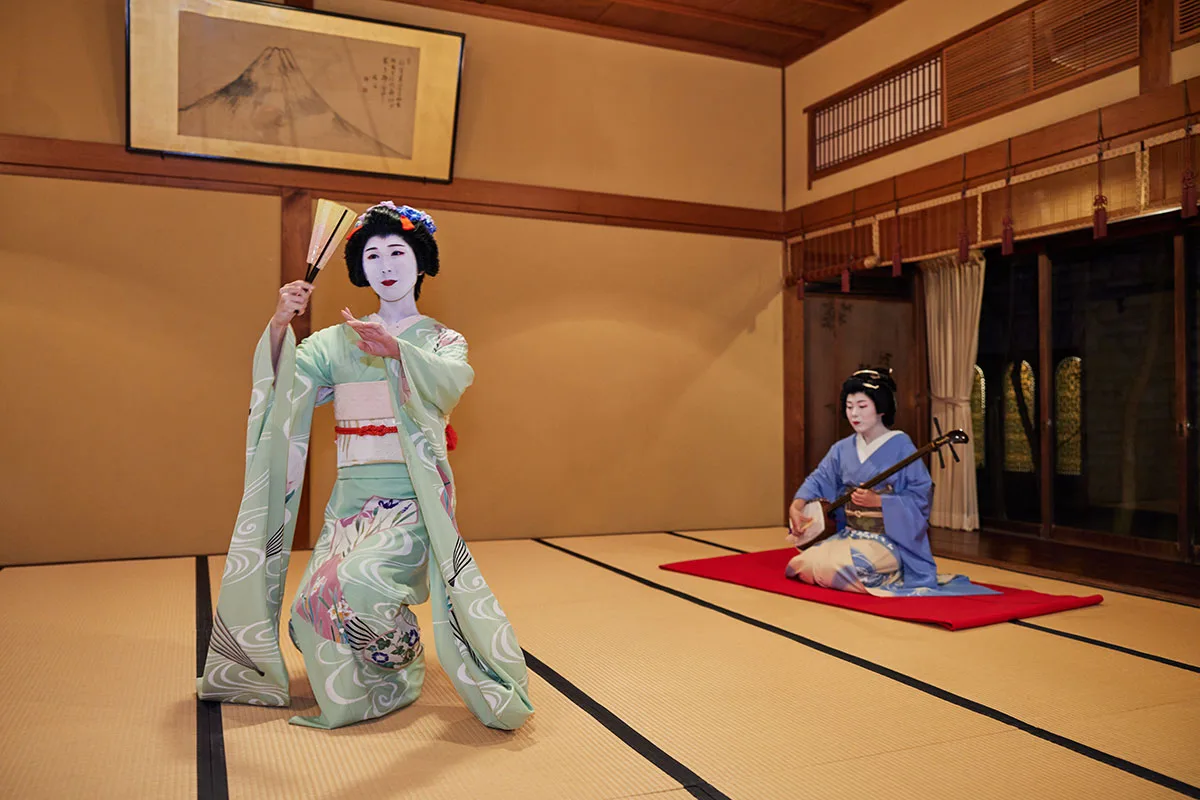
Flourishing as a stop for kitamaebune (northern-bound trade ships) and sustained by river transport along the Shinano and Agano Rivers, Niigata Port once bustled with merchants and travelers. From this lively exchange grew Furumachi Kagai, Niigata City’s atmospheric geigi (referred to as geisha or geiko in other regions) district. At long-established ryotei (traditional restaurants) such as Ikinariya and Nabedyaya, exquisite cuisine is paired with the graceful dances of the Niigata Furumachi Geigi, creating an evening of refined elegance unique to this historic district.
At Ikinariya, you can savor kaiseki cuisine (a traditional multi-course Japanese dinner) prepared with the finest, seasonal ingredients, while at Nabedyaya, soft-shelled turtle dishes showcase time-honored culinary techniques. As you enjoy the masterfully crafted cuisine, you’re invited into the world of artistry unfolding before you.
An evening in Furumachi Kagai, where the spirit of hospitality lives on, offers a glimpse of elegance passed down through generations. Savor to your heart’s content the distinct charm and hospitality found only in this district.